fbpx

Fresh debate over Penang LRT secondary depot location

Property News/ 4 April 2026 No comments
penang-mutiara-lrt-line-secondary-depot

Proposed Sungai Dua depot site

Fresh discussions have emerged over the proposed secondary depot for the Penang LRT’s Mutiara Line, following feedback received during the public display of the revised railway scheme.

A key point of debate is whether the currently proposed Sungai Dua depot site, located on part of the former Pesta grounds, should instead be relocated to Penang Sentral in Butterworth.

Several industry sources quoted by The Star believe a mainland-based depot could improve long-term operational efficiency, particularly if the LRT network expands further into Seberang Perai and northern Penang in the future. Having depots at both ends of the line is also seen as a way to reduce service disruptions by allowing trains to be deployed or returned for servicing from either direction.

Another potential benefit highlighted is land optimisation on Penang island, as shifting the depot away from Sungai Dua could free up strategically located land for higher-value transit-oriented or residential developments in the future.

There is also growing interest in the possibility of integrating the proposed depot with the future Penang Sentral LRT station, creating an opportunity to unlock a larger publicly accessible waterfront space in Butterworth. Such a move could complement the broader regeneration potential of the Penang Sentral precinct and its surrounding seafront.

However, Malaysia Rapid Transit Corporation has clarified that the secondary depot is intended mainly for train stabling and daily operational readiness, rather than heavy maintenance. Major servicing works will continue to be handled at the primary depot on Silicon Island, which remains the main rail maintenance hub for the Mutiara Line.

According to MRT Corp, several possible locations are still being evaluated, with considerations including operational requirements, land availability, and long-term development plans of surrounding areas.

The full 29.5km Mutiara Line will connect Silicon Island to Komtar before crossing to Penang Sentral, with completion targeted by the end of 2031.

The evolving depot discussion reflects broader efforts to future-proof the Mutiara Line while balancing operational resilience, urban development opportunities, and waterfront revitalisation on both sides of the channel.

Pulau Jerejak’s 26.5-acre shipyard site poised for future redevelopment

Property News/ 3 April 2026 1 comment

pulau-jerejak-shipyard

Ark Resources Holdings Bhd (ARK) is acquiring three adjoining parcels of vacant leasehold land on Pulau Jerejak, for RM28 million cash, marking a strategic landbanking move that could pave the way for a future mixed-use development.

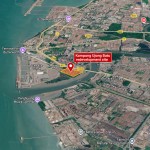
The land, currently owned by Boustead Penang Shipyard Sdn Bhd, spans a combined 26.5 acres, on the southeastern side of Pulau Jerejak. The site sits near the Bayan Lepas coastline, positioned between the Penang Bridge and Sultan Abdul Halim Mu’adzam Shah Bridge (Penang 2nd Bridge), with current access via the Seagate jetty followed by an approximately 4km boat ride.

Historically, the land was used for shipbuilding, ship repair, offshore structure works and warehousing, but has remained vacant since June 2024 after the cessation of shipyard-related activities. The site still carries industrial and shipyard-specific land conditions, which ARK plans to formally convert as part of the acquisition conditions.

pulau-jerejak-shipyard-lots

According to ARK’s announcement, the acquisition is being undertaken via its wholly owned subsidiary Karya Koperat Sdn Bhd, with the primary objective of expanding its landbank for future development opportunities in Penang. While no specific development concept has been finalised at this stage, the company said it intends to apply for the rezoning of the land from “industrial strictly for shipyard purposes” to residential, commercial and/or industrial use, effectively opening the door for a much broader development potential.

The transaction is expected to be completed by the third quarter of 2027, subject to approvals from shareholders, land authorities, zoning conversion, and state consent for the transfer.

Penang breaks ground on RM103 million LSS5 solar farm in Byram

solar-power-farm

Penang has taken another major step in strengthening its renewable energy infrastructure with the groundbreaking of the state’s fifth large-scale solar (LSS5) project in Byram, Nibong Tebal.

Developed on an 82-acre site, the RM103 million solar farm is a collaboration between Penang Development Corporation (PDC), via its subsidiary Solar Voltech Sdn Bhd, and Solarvest Holdings Berhad. Once completed, the facility will generate up to 29.99 megawatt-peak (MWp), further expanding the state’s clean energy capacity.

Chief Minister Chow Kon Yeow said the project reflects Penang’s continued commitment to sustainability and long-term energy security, particularly as demand from industrial and high-tech sectors continues to grow.

The new solar development will complement several ongoing and planned green energy initiatives across the state, including LSS4 in Central Seberang Perai, solar installations at Penang Hill, as well as proposed floating solar projects at Mengkuang Dam and Teluk Bahang Dam.

Beyond supporting Malaysia’s national target of up to 22% energy savings by 2040 under the Energy Efficiency and Conservation Act (EECA), the project is also expected to reduce carbon intensity while improving power grid stability in Nibong Tebal and surrounding areas.

Targeted for completion by July 2027, LSS5 is anticipated to create skilled employment opportunities during both the construction and operational phases, while reinforcing Penang’s attractiveness as a hub for advanced manufacturing and technology-driven investments.

Meanwhile, Penang Infrastructure, Transport and Digital Committee chairman Zairil Khir Johari shared that the proposed floating solar projects at Mengkuang Dam and Teluk Bahang Dam are still pending federal guidelines, given the additional scrutiny required for installations on potable water reservoirs.

The National Water Research Institute of Malaysia has been appointed to formulate the relevant guidelines, which will pave the way for future approvals and implementation.

ViResidence @ Savantia Valley

Batu Kawan/ 2 April 2026 No comments

viresidence-savantia-valley

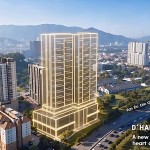
ViResidence is a serviced residence component located within Savantia Valley in Bandar Cassia, Batu Kawan. The project sits along Jalan Tun Abdullah Ahmad Badawi, one of the main arterial roads in the township, and is diagonally opposite Design Village Outlet Mall. The surrounding area forms part of the broader Batu Kawan growth corridor, which includes the Batu Kawan Industrial Park, Aspen Vision City, and various residential and commercial developments that have gradually shaped the township into a secondary urban centre on Penang’s mainland.

The project comprises two towers, each rising 29 storeys and built on top of a nine-storey parking podium. Block A and Block B together offer a total of 514 serviced residence units, with each floor accommodating 10 units. The development also incorporates a dedicated level for communal facilities and recreational spaces.

The units are offered in two built-up sizes, approximately 1,000 sq.ft. and 1,250 sq.ft., and each unit comes with two allocated car park bays within the podium levels. Planned facilities include a swimming pool, gymnasium, and shared recreational areas. The indicative starting price starts from around RM550,000 onwards.

Project Name : ViResidence
Location : Bandar Cassia, Batu Kawan
Property Type : Mixed development
Land Tenure: (to be confirmed)
Built-up Size: 1,000 sq.ft. & 1,250 sq.ft.
Total Units: 514
Indicative Price: RM550,000 onwards
Developer : 
Green Camour Property Sdn. Bhd.

Register your interest here for updates on this project and other property news

(This information will be used to keep you updated on the project and future development.)
*By submitting this Form, you hereby agree to our PDPA Consent Clause.
LOCATION MAP

DISCLAIMER: This article is solely based on research done using publicly available data. This is not an advertisement. Any claim, statistic, quote or other representation about a project or service should be verified with the developer, provider or party in question.

Rising Middle East tensions may push property prices higher

Property News/ 2 April 2026 No comments

construction-site

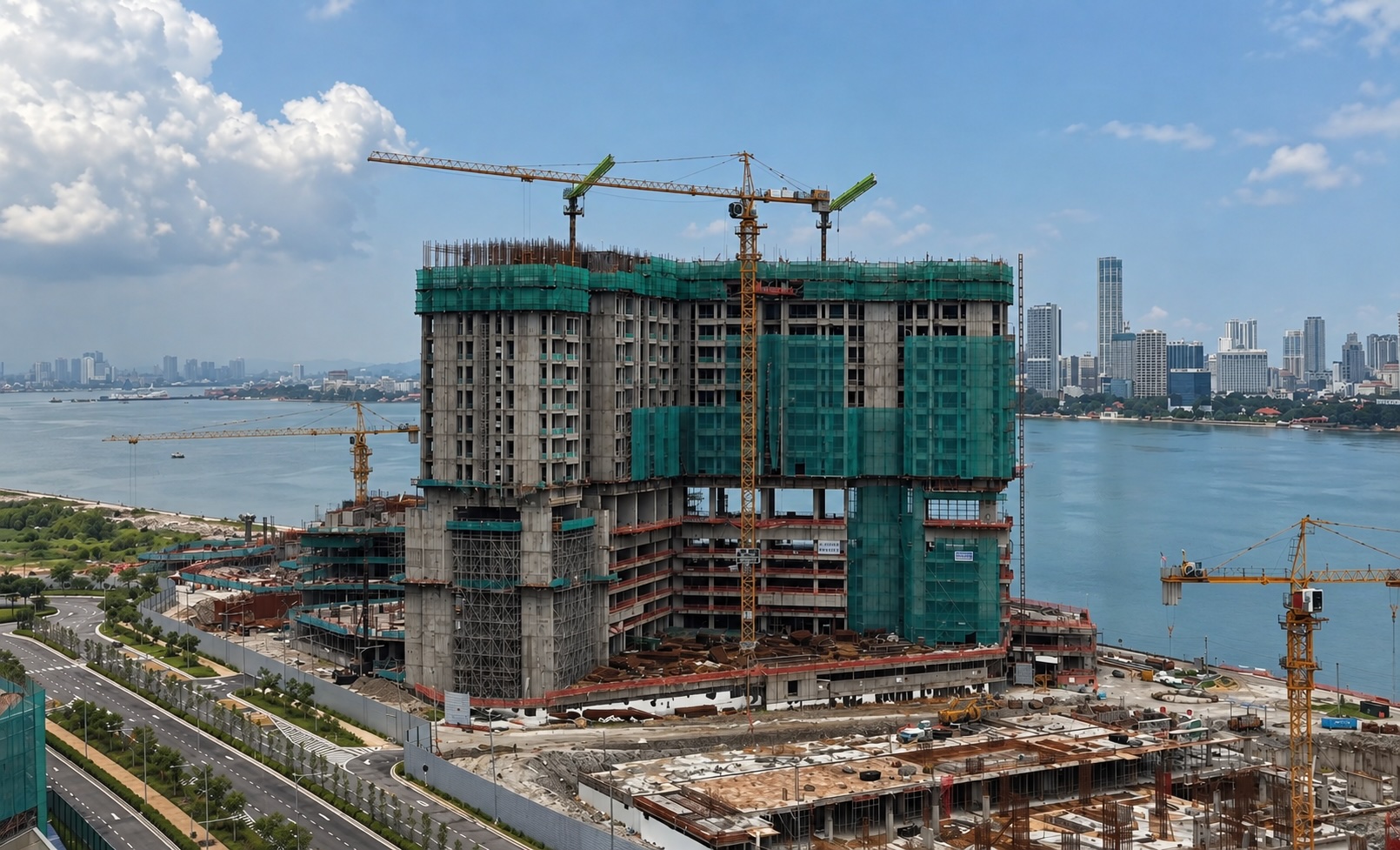
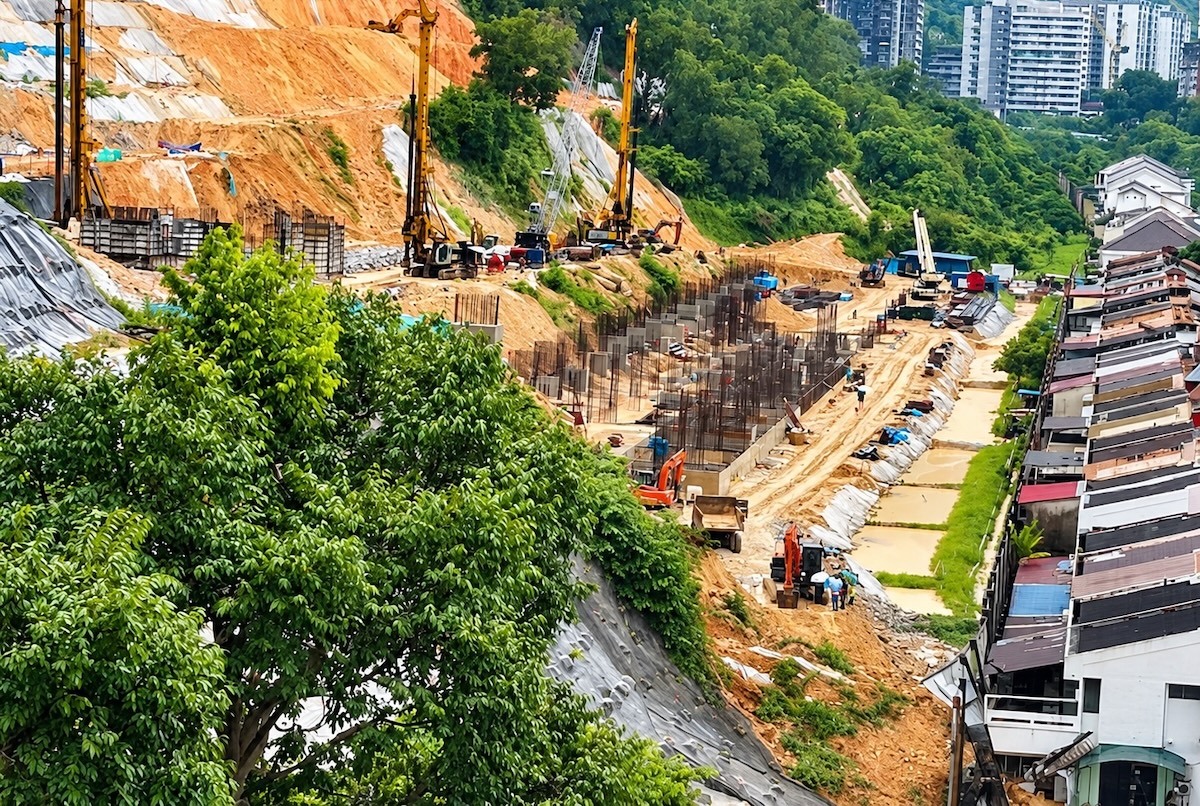
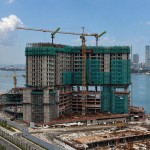
Homebuyers and investors may soon face higher property prices as Malaysia’s construction sector braces for a possible sharp rise in building costs, driven by prolonged geopolitical tensions in the Middle East. Industry experts warn that if the conflict persists, construction costs could surge by as much as 30% to 40%, placing further pressure on an already challenging housing market.

According to industry observers, the impact stems largely from escalating fuel prices and ongoing supply chain disruptions, which directly affect the cost of essential building materials such as steel, cement, sand, and reinforcement bars. These materials make up a substantial portion of development costs, and any prolonged increase is likely to eventually be reflected in selling prices, especially for new launches and higher-end developments.

While some developers may attempt to absorb part of the increase to remain competitive, sustained cost pressure leaves little room to fully shield buyers from rising prices. Affordable housing projects may continue to see some level of price protection due to policy intervention and regulatory controls, but commercial and premium residential segments are expected to be more vulnerable to price adjustments.

Beyond materials, developers are also dealing with rising logistics expenses, labour costs, financing pressure, and uncertainty in project budgeting. The volatility in shipping routes and raw material pricing has made it increasingly difficult to provide accurate cost projections during the planning stage, potentially leading to delays, cost overruns, and deferred launches.

For Penang’s property market, the implications could be especially relevant given the state’s active pipeline of high-rise residential, industrial, and mixed-use developments that depend heavily on imported materials and efficient logistics. Projects in key growth corridors such as Bayan Lepas, Batu Kawan, and the island’s northern coastal belt may feel the effects more noticeably should supply disruptions worsen.

To manage the situation, experts suggest that developers adopt more cost-efficient construction methods such as IBS, optimise project designs, and strengthen procurement planning. At the policy level, faster approvals, targeted incentives, and efforts to reinforce local supply chains may help cushion the impact and keep future housing supply relatively stable.

Tags: