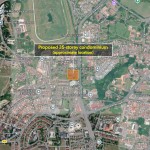
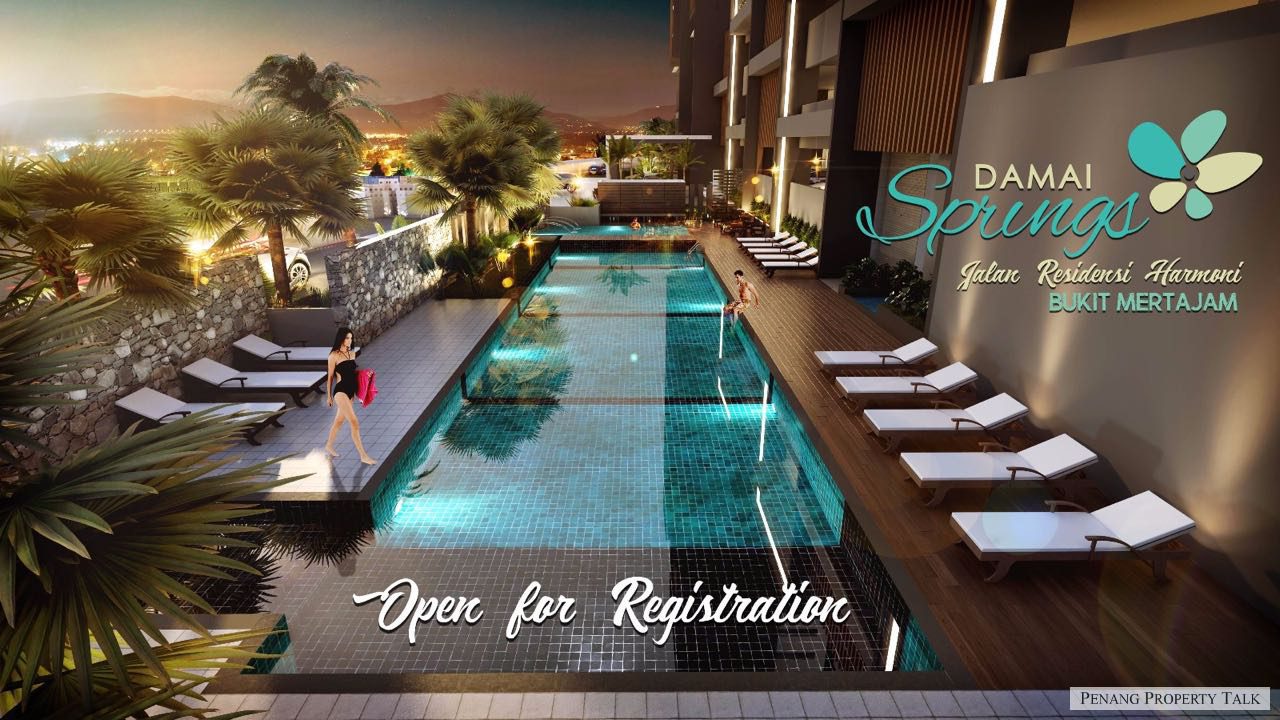
Damai Springs, an upcoming residential development by Airmas Group in Bukit Mertajam. It is located at Jalan Betek, diagonally opposite Residensi Harmoni gated and guarded housing scheme.
This development will see the construction of a 15-storey condominium, offering 138 residential unit with built-up size ranging from 1,371 sq.ft. onwards. There will be 12 units per floor, each unit will comes with two car parking lots.
More details to be available upon official launch.
Project Name: Damai Springs
Location : Bukit Mertajam, Penang Property Type : Condominium Land Tenure : Freehold Built-up Area: 1,371 sq.ft. – 1,375 sq.ft. Total Unit: 138 Indicative Price : (to be confirmed) Developer: General Supreme Sdn. Bhd. (Airmas Group)
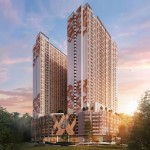
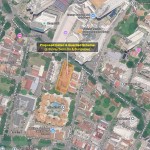
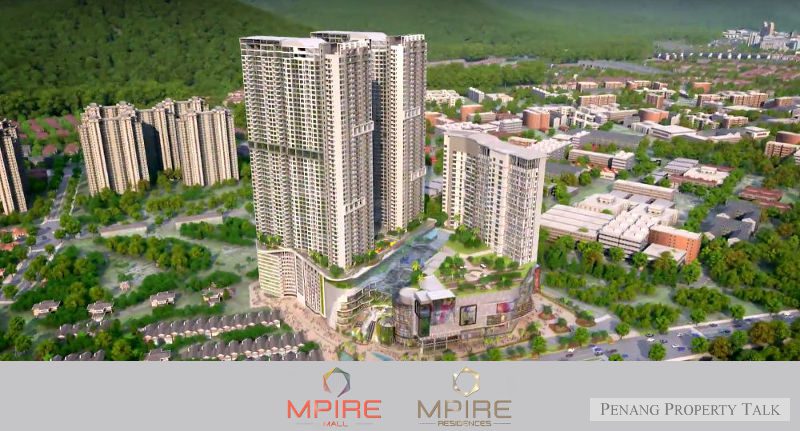
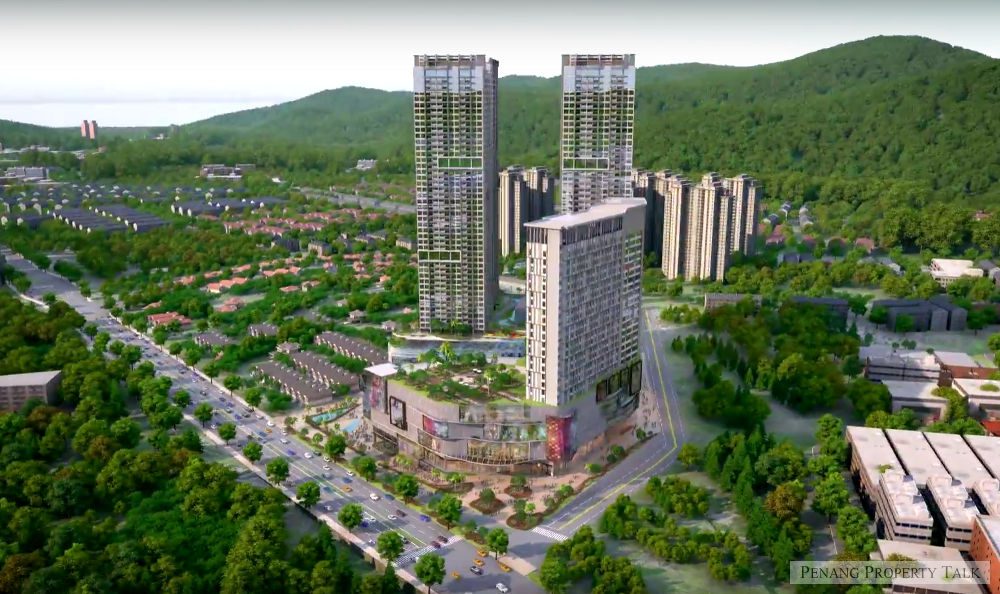
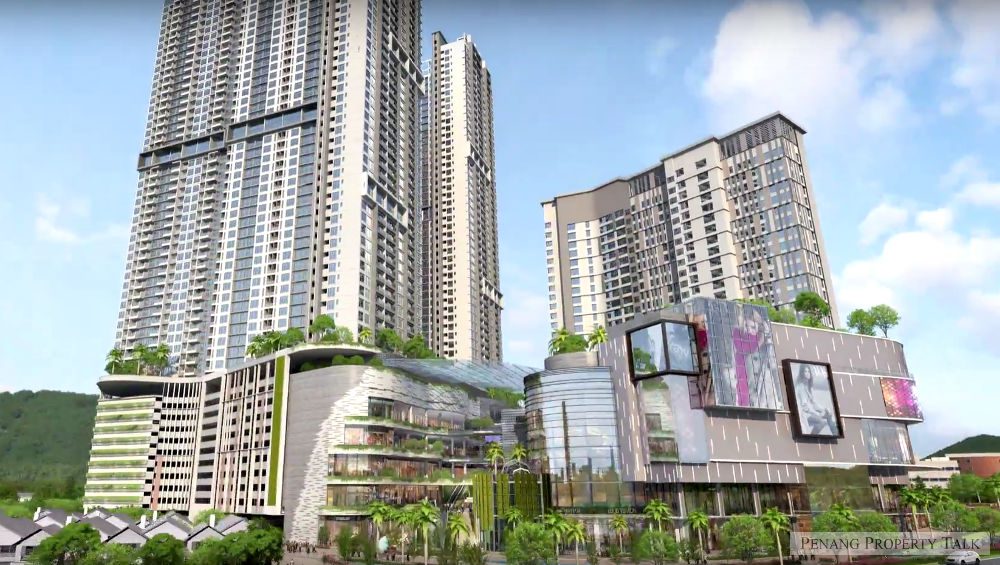
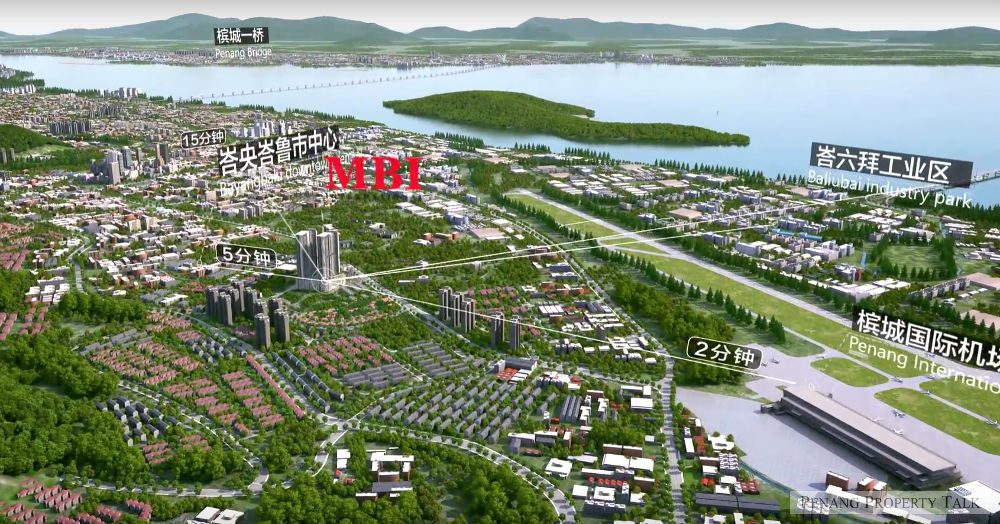
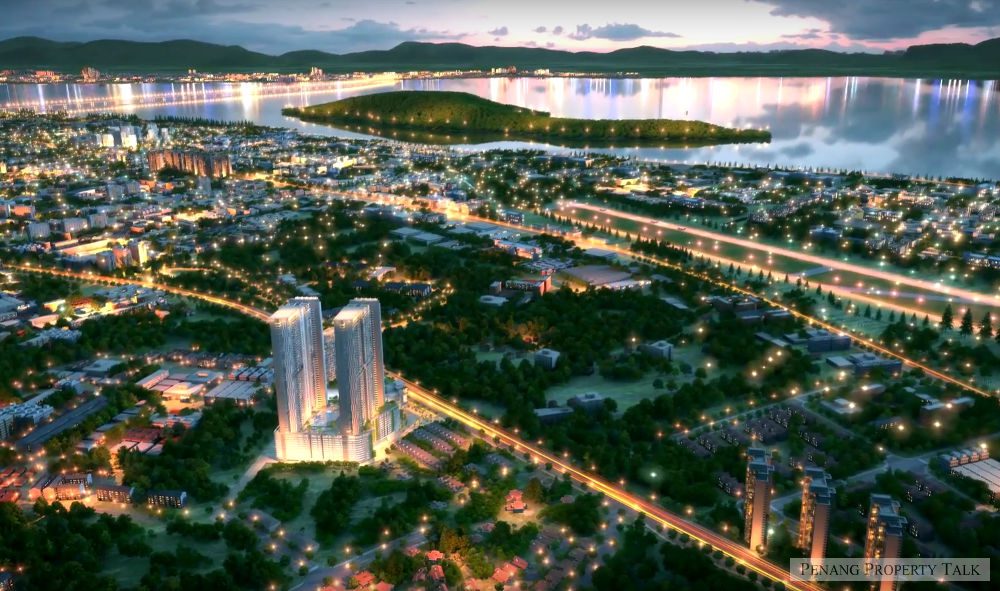
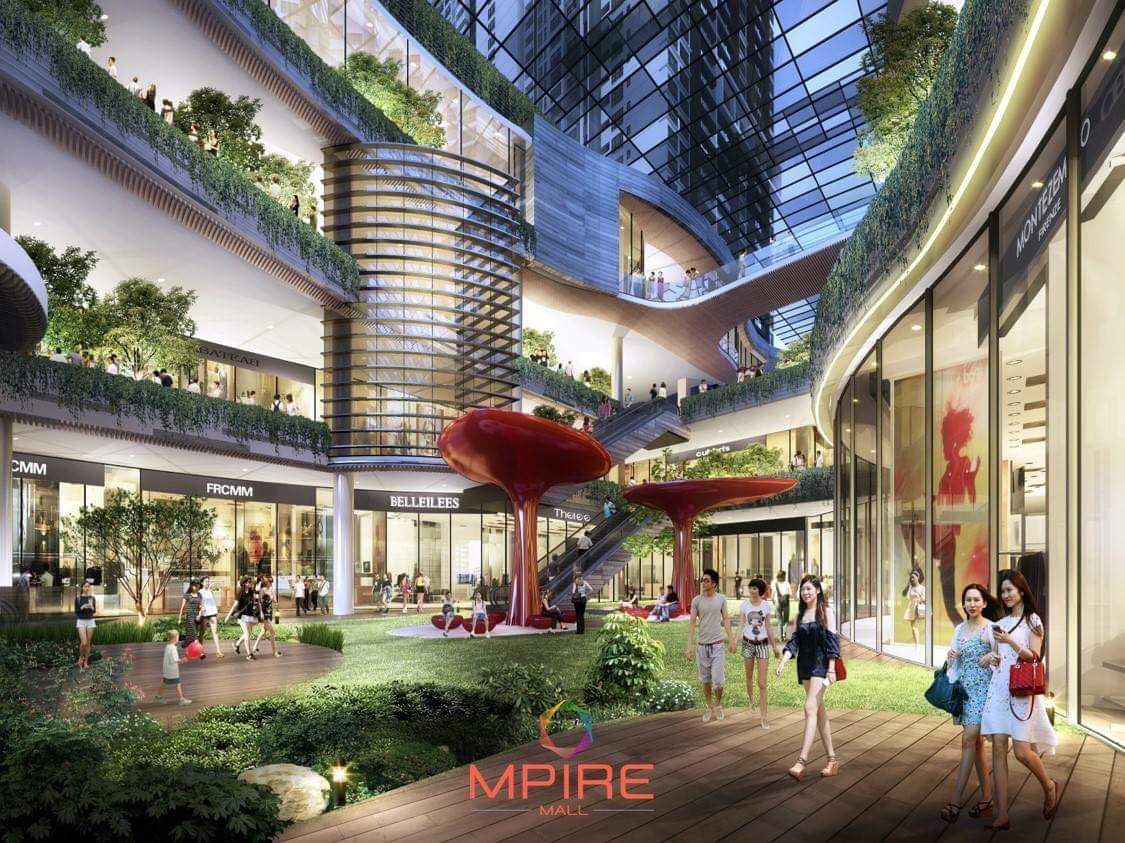
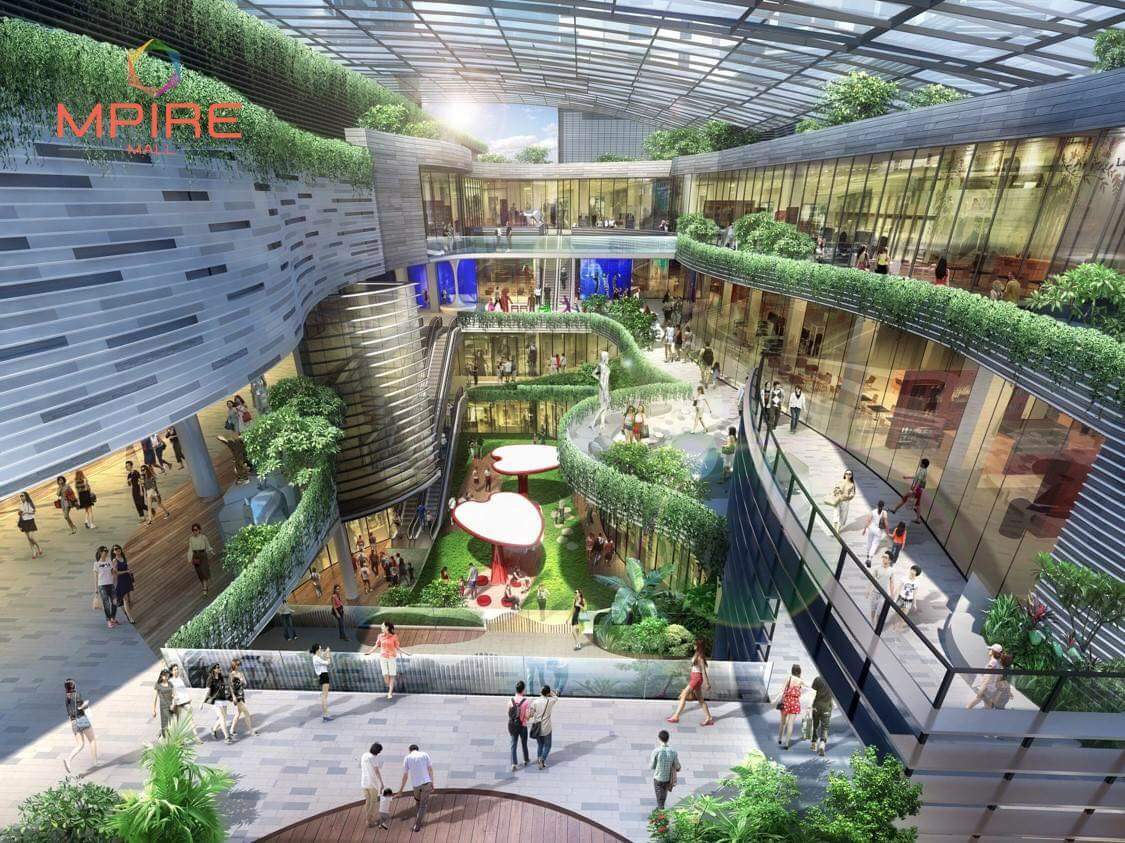
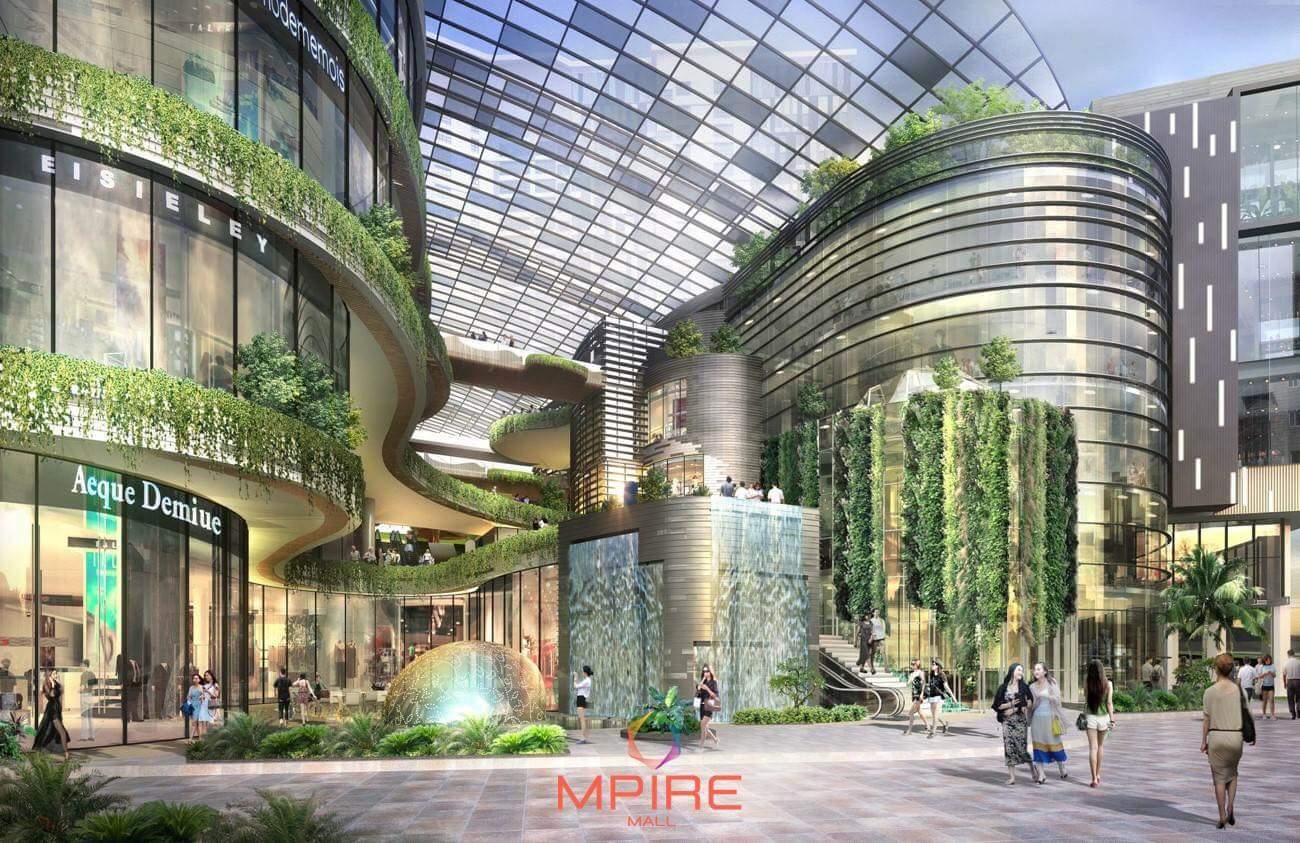
Mpire Residences, an upcoming 57-storey mixed development by Paramount Solaris Sdn. Bhd. in Bayan Lepas, Penang. It is located next to The Clovers by Asia Green, about 3km away from Penang International Airport.
This development comprises a 5-level shopping mall, 20-level hotel and two residential towers with recreational facilities located at level 56 & 57:
Tower A: 44-storey condominium (620 units)
Tower B: 44-storey condominium (620 units)
Tower C: 20-storey hotel (300 rooms) with mall and retail offices
Details to be available upon project official launch.
Project Name: Mpire Residences
Location : Bayan Lepas, Penang Property Type : Mixed development Land Tenure : Freehold Built-up Area: (to be confirmed) Indicative Price : RM800 psf (to be confirmed) Developer: Paramount Solaris Sdn. Bhd.
Eco World Development Group Berhad [EW Berhad or EcoWorld] celebrated the most wonderful time of the year at its EcoWorld Gallery @ Eco Meadows with a special runway collection of bridal gowns in conjunction with the Group’s on-going Let Love Snow Christmas celebrations.
The fashion parade was set up by the giant snow globe at the gallery and featured a collection of gowns by Kuang Yee Bridal Collection [KYBC]. KYBC is a household name in Penang for bridal gowns and photography.
“We are extremely excited to work with a reputable brand like KYBC on this special collaboration as our Let Love Snow campaign relates to love as well and it complements the beauty of the bridal gowns and the excitement everyone gets from the union of love,” said EcoWorld General Manager for Northern Region Khoo Teck Chong.
The sales gallery was also decked to the nines with ample Christmas decorations to ring in the season and an iconic Christmas tree was one of the main attractions as well. In line with the Let Love Snow campaign, another main attraction was the giant snow globe which stood tall at 25 feet and features snow sessions during the weekends. The giant snow globe will be lit up from 7-9pm while the snow sessions go off on a 30-minute interval.
Apart from the bridal gown showcase, KYBC also provided complimentary family portrait taking sessions which were held at the Christmas themed decorated hallway in the sales gallery for visitors present. Visitors who took part in the family portrait sessions also stand a chance to win attractive lucky draw prizes worth RM6,888 which will be drawn on Christmas day itself.
The event also offered delicious honey roasted chicken drumsticks and sweet treats like cupcakes. Visitors even had a chance to take pictures with Santa Claus and his elves.
Drop by for a visit at EcoWorld Gallery @ Eco Meadows today or call +604 510 2255 to find out more.
Assumptions that the world is flat and people would fall over the edge if they went to the end of the horizon disappeared over 3,500 years ago because that non-existent edge gets farther as people climbed higher.
Stand at sea level and your horizon is 4.7km away. But on Level 65, Komtar, your gaze will sweep over the curvature of the planet.
The eastern plain of the island’s geography is laid out for you to behold, and Pulau Jerejak, over 12km away, comes into full view.
“Komtar’s location is fantastically strategic. It is like a giant watchtower and being circular, you have an all-round view,” said Only World Group (OWG) chief operating officer Datuk Jean Koh.
Level 65 is about 230m above the ground and at this height, you would be able to see up to 150km away, making Kedah a part of the northeastern scenery.
Video taken by Penang Property Talk in August 2016
When Komtar was first completed about 30 years ago, this was the rooftop level and it only had a helipad. Now it is a part of the Window of the Top.
“We created Level 65 into an observatory deck. As you walk around the floor, you will see Penang from a unique angle.
“There’s so much to take in that you’ll even need to stop for coffee,” Jean smiled.
And that is just what OWG prepared: a coffee corner where visitors can pause to admire the panorama.
Picture by TheStar
On the window are affixed information panels, telling visitors what they are seeing, such as Penang jetty, Kek Lok Si Temple, Penang Hill and so on.
There is also a souvenir store and a photo opportunity corner where you can have a special photo taken in such a way that it will look as if you are walking on an I-beam at the external edge of the building.
OWG won a 45-year lease on five levels of Komtar in 2012 and is on a mission to revitalise the building.
The company has topped the building with another three levels, and the Window of the Top refers to Level 65’s observatory deck and Level 68 rooftop, both of which are set to be officially opened tomorrow.
There is even a special glass floor section in Level 65 for visitors to step past the external wall of the monolith and look down on the scenery below. This is a teaser to an even more hair-raising glass skywalk on Level 68, the tallest in the country.
The way up to the top begins at Level Five.
For those who still remember Komtar back in the late 80s and early 90s, this is where the rooftop garden and open space podium used to be.
Those who still recall scaling the open-air staircase at Komtar’s Jalan Dr Lim Chwee Leong side to reach Level Five (there used to be a squash court, food court, amusement games centre and also the Geodesic Dome), they will be in for a surprise.
A glitzy entrance is in store for them and along the Level Five boulevard of fancy eateries, a giant overhead LCD screen completes the shine.
Two levels lower, OWG has a special project in the final stages of construction that will be dedicated to Penang’s tourism industry.
“The Penang State Gallery will take visitors back to the time when Penang was a swampy frontier and show how George Town became a bustling trading post, to its present day as a city of living history.
“Beside the gallery will be the Market Food Street where tourists will be able sample the signature dishes of Penang hawker food.”
To complete the adventure for foreign visitors, Jean said there would also be a gallery called the Durian The King of Fruits and a museum, Tongkat Ali King.
“We’ll make sure that a busy business traveller or perhaps a cruise ship passenger who is only here on a day trip will have a one-stop spot to get a whiff of everything there is to love about Penang,” said Jean.
Affordable housing has been the key growth driver for Penang residential property sector in the past two years. Today there are already 17 projects under construction while at least 26 more are in the pipeline.
Aiming to stimulate the sale of affordable housing, the developers are allowed to sell 30% of the affordable housing to the open market with 10-20% price premium. That in fact has stirred up the interest in buying a second home for investment among Penangites.
“Is affordable housing a good investment Penang?” continues to be one of the most common yet frequent question addressed to us at Penang Property Talk. Prior to sharing food for thoughts, it is crucial for potential investors to fully digest the fundamental facts about affordable housing in Penang.
Purpose built housing
Affordable housing is purpose built for first time home buyer. It is conclusive to quote that most of the units are cautiously planned and well sized for individuals who are at establishment period in their career stage, young marriage couples who are settling in for a new home. For upgraders envisioning for a larger spacious home, affordable housing units will emerge to be inadequate for a matured growing family.
Be mindful that your potential buyers in the future are most likely to be a first time home buyer, who has a comparable budget of around RM300K – RM400K. Selling a first time buyer house at a much higher price tag in the future is definitely a gigantic challenge.
Abundant supply
Owning a brand new home in Penang Island used to be a dream, for some. The attractively priced affordable housing has now turned some of those dreams into reality. Many opportunistic buyers instantly draw a conclusion for a need to quickly grasp this golden advantage and compelled to buy an affordable unit as their second house for investment. Nevertheless, when realization starts to kick in on the fact that there will be abundant supply of affordable housing units in near future, the interest level on affordable housing projects cools down significantly.
Indeed, an observation from Penang Property Talk is that despite the significant increase in affordable housing projects, the affordable housing project listing page has registered a consistent decline in page views over the past two years.
Impact of price control
From an investment perspective, it is a norm to typically refrain from whatsoever that has a price control in place. Of course, unless you are the one controlling the price. Obviously, there is no exception in affordable housing. The price of a house is likely to be influenced (indirectly controlled) by the affordable housing scheme that will be launching in the future.
Some individuals may have the perception that a higher selling price can be set for a unit after the 5 years cooling period. But there is no reason for someone to pay a much higher price for that unit when there is a continuous supply of affordable houses which are selling at a cheaper price. Not to mention the falling relative prices of the secondary unit as it ages.
In fact, the ceiling price for new affordable house has been lowered from RM400K to RM300K. In other words, there may be more affordable housing units in the pipeline with a cheaper price tag.
Lack of differentiation
Being able to sell a house promptly is as important as buying it cheap in the first place. In property investment, standing out from others is always an advantage when you are selling. House number, facing, floor level, layout, locations are some of the critical decision factor. Some design type may have advantage over other design types, depending on individual preference.
But in affordable housing, some of these selling points may not applicable because there may be thousands of unit of the same type in one project. You may also find the same unit and floor number in other blocks.
In a worse situation, affordable housing in secondary market may eventually become like “commodity” where pricing is the only decision factor. Property agents will simply need one classified listing per project to sell their stock since there is only one design type. In such cases, the seller will lost their bargaining power and the lowest price unit will likely to be sold first.
Food for thoughts
If you are a first time home buyer searching immensely for your dream home, affordable housing is absolutely one of the extremely beneficial options. However, do not rush to hurriedly jump to conclusions. Choose wisely within your means. A glamorous location does not necessary mean the right location for you.
For those who are buying affordable housing as an investment, comprehend and invest objectively. Affordable housing and a great financial investment are mutually exclusive. Unless you are fully equipped with a very good plan in buying affordable units, otherwise differentiation would be the key to a safe property investment in the current market situation. If you can afford, a larger yet spacious home or a development with unique offerings might be a better bet.










 Assumptions that the world is flat and people would fall over the edge if they went to the end of the horizon disappeared over 3,500 years ago because that non-existent edge gets farther as people climbed higher.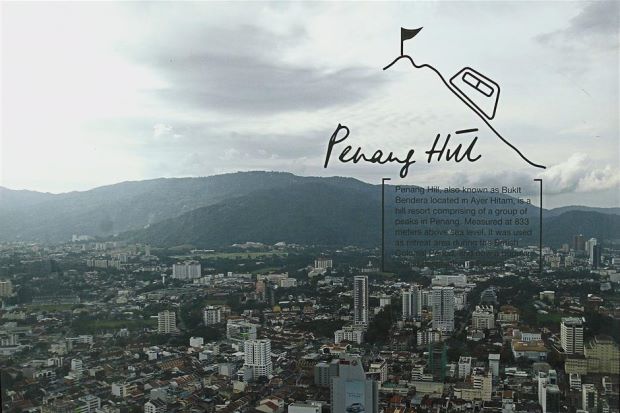
 Affordable housing has been the key growth driver for Penang residential property sector in the past two years. Today there are already 17 projects under construction while at least 26 more are in the pipeline.