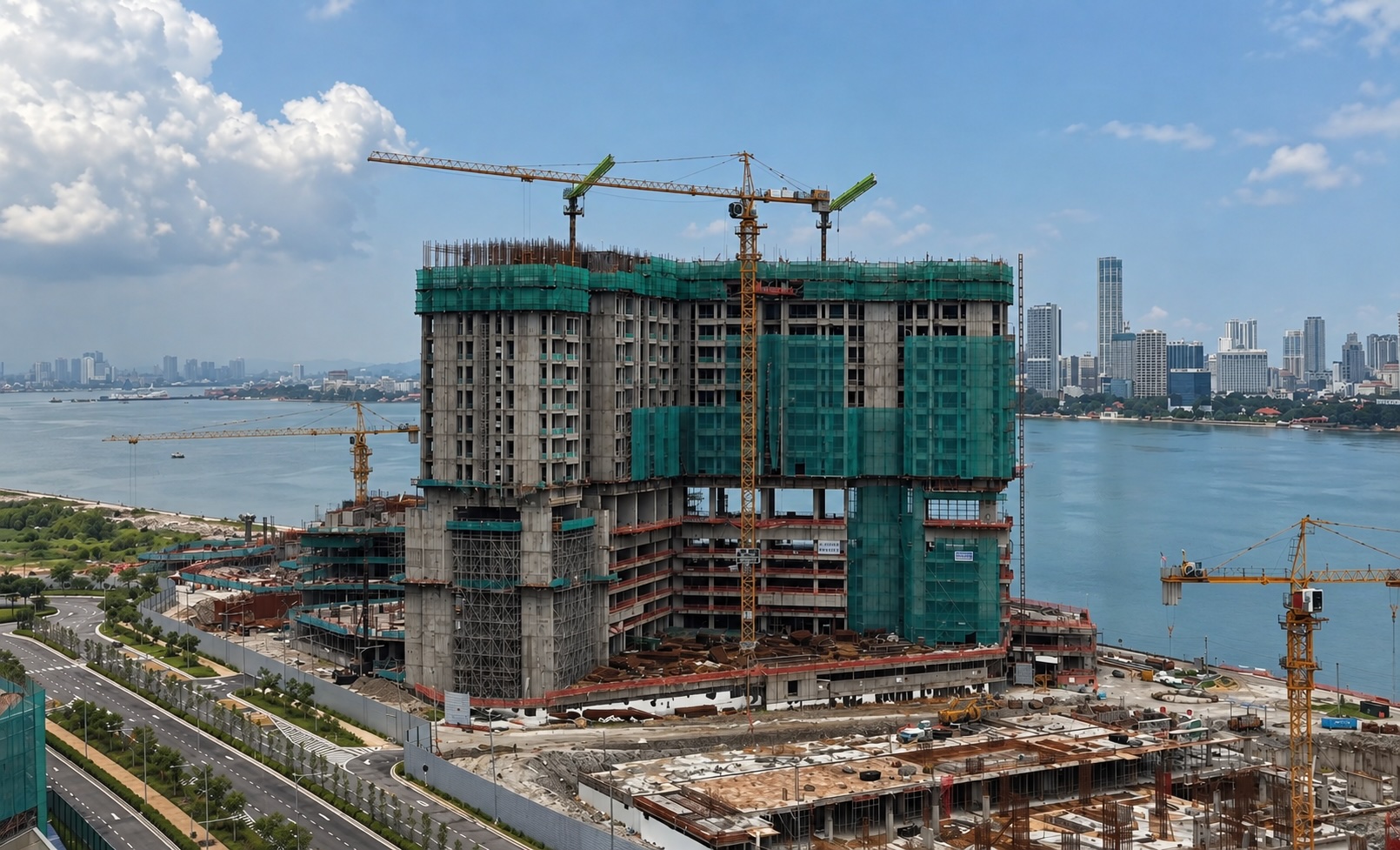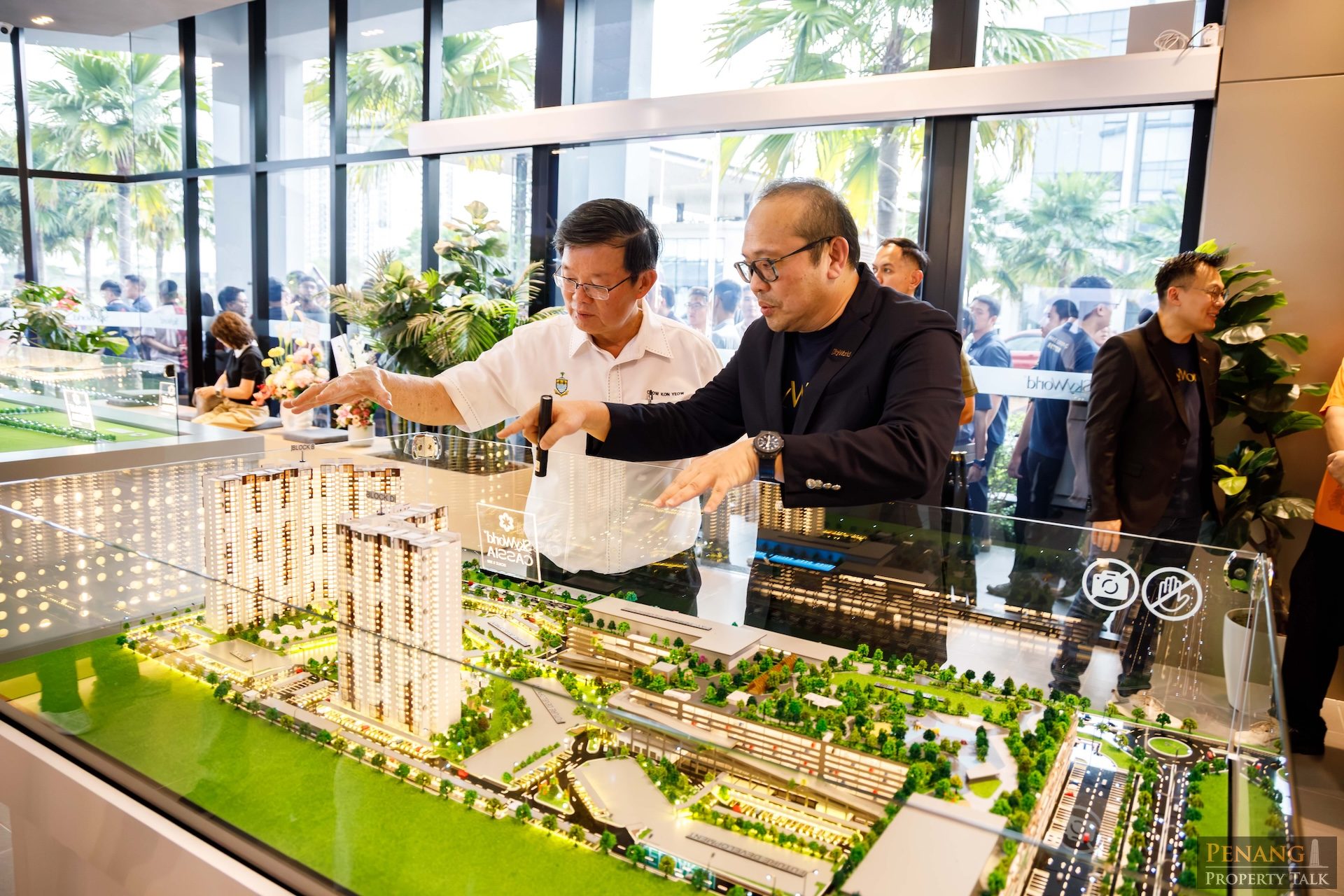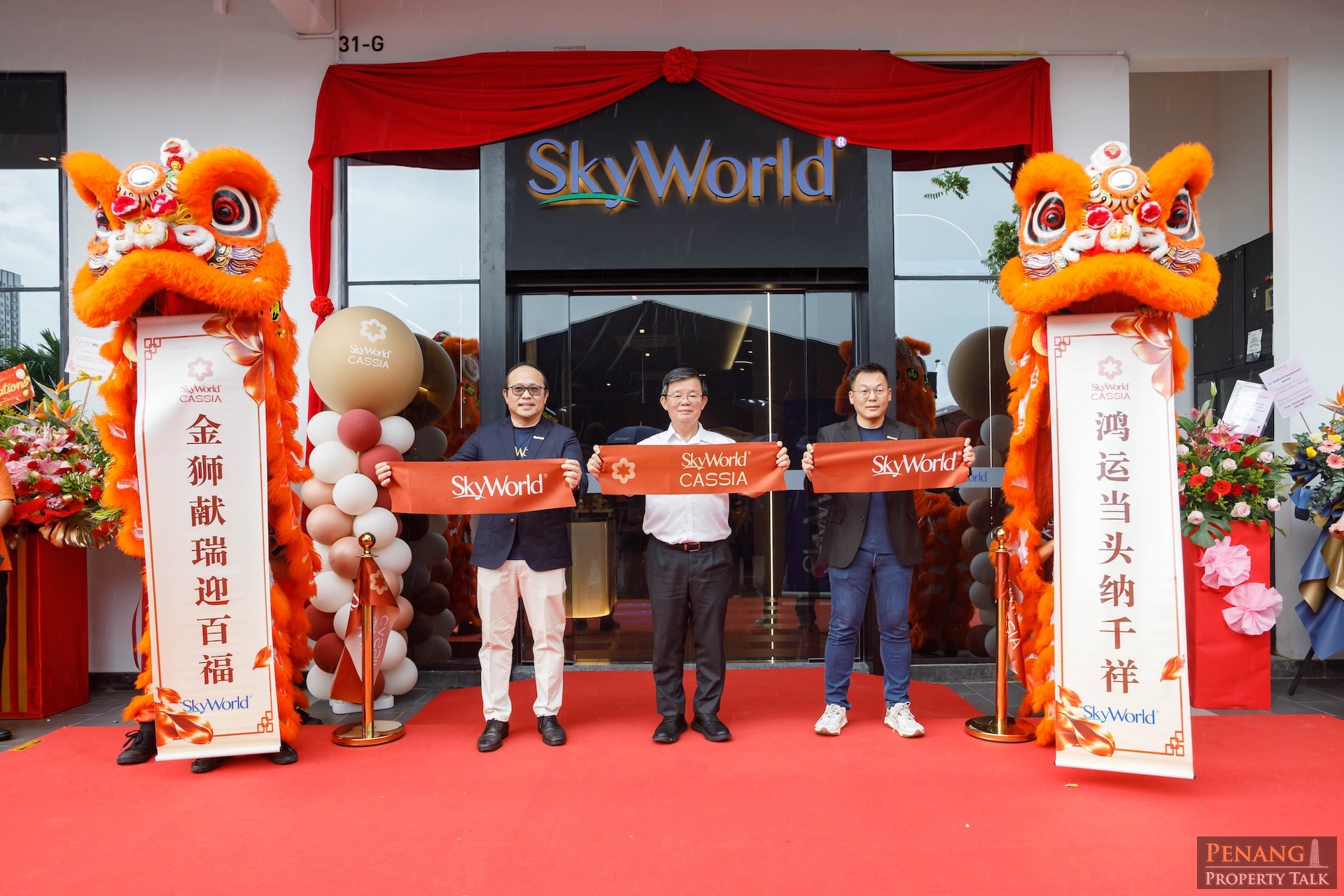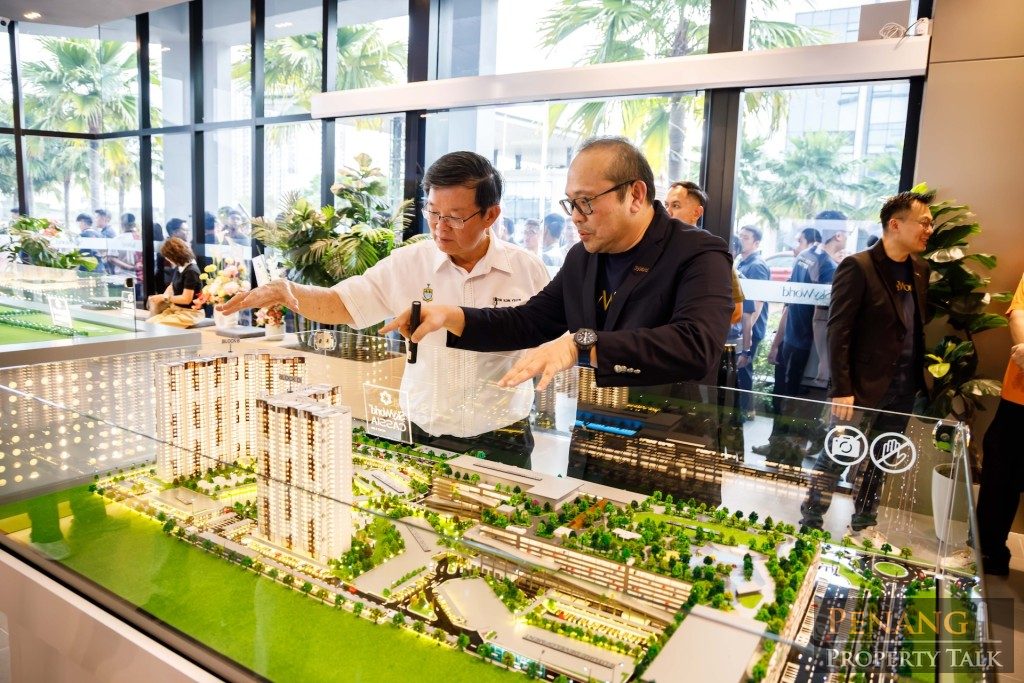
SkyWorld Development Berhad marked another milestone in its Penang expansion with the soft opening of SkyWorld Gallery @ Bandar Cassia, Batu Kawan. Following the opening of its first Penang sales gallery in Seberang Jaya earlier this year, the new gallery further strengthens the Group’s presence in the state and reinforces its commitment to delivering quality homes across the northern region.
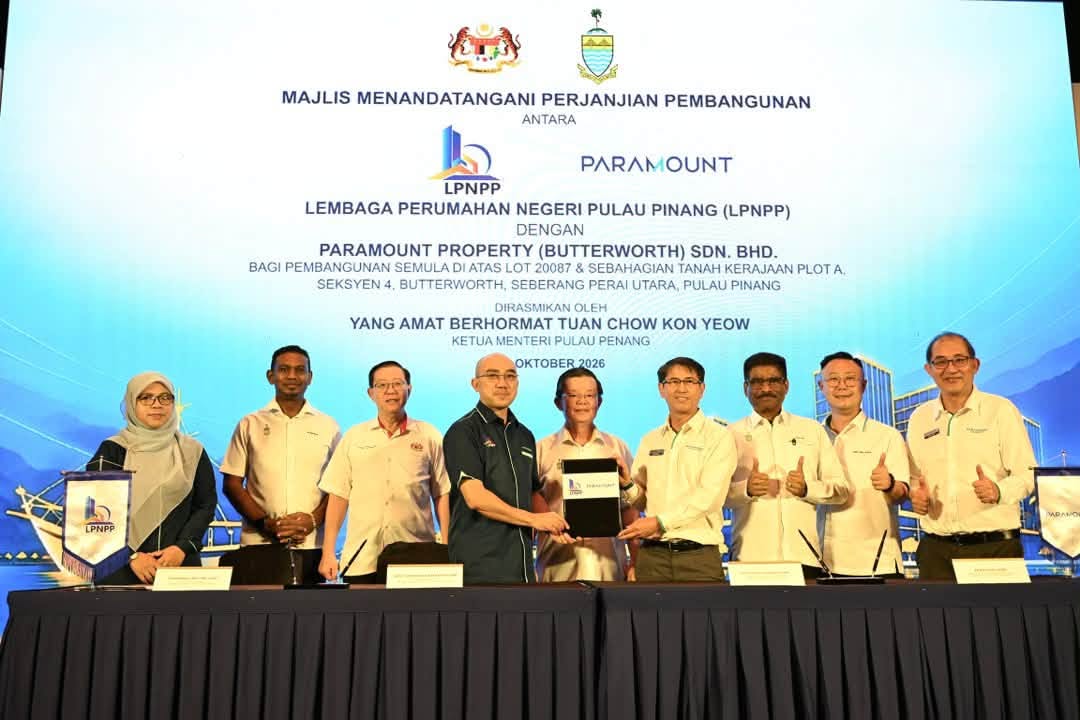
The soft opening was graced by YAB Chow Kon Yeow, Chief Minister of Penang, alongside SkyWorld’s management, media friends, business associated and invited guests. The new gallery reflects SkyWorld’s continued commitment to bringing its brand purpose, “Make Living Better”, to more communities through thoughtfully designed homes that prioritise quality, innovation and better living experiences.
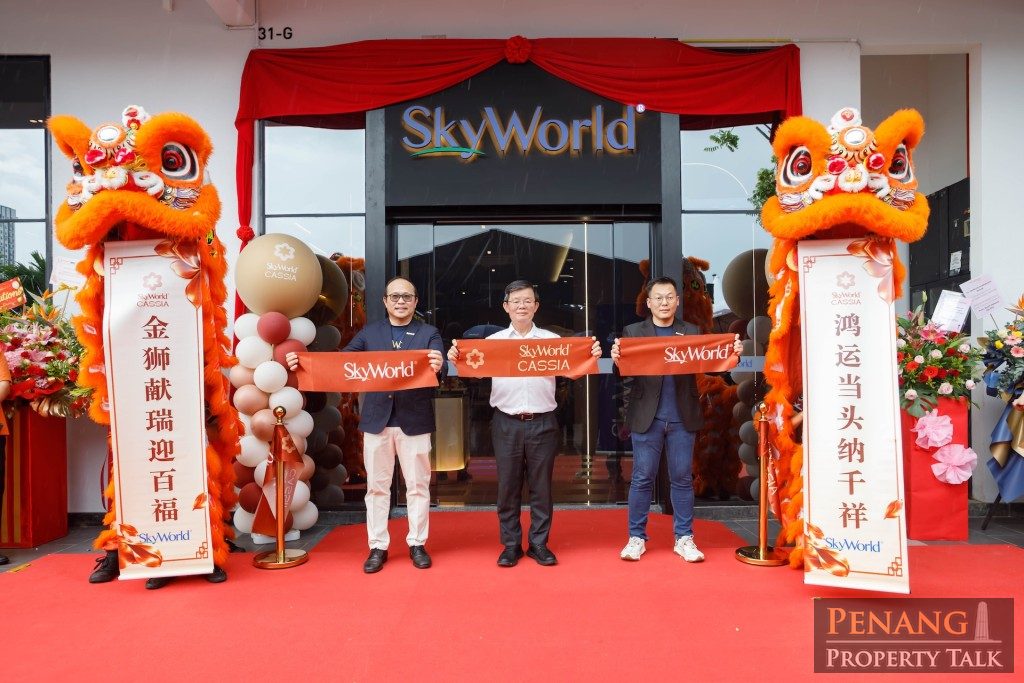
Mr Lee Chee Seng, Chief Executive Officer of SkyWorld, said, “Following the opening of our first sales gallery in Seberang Jaya, we are pleased to mark another important milestone with the opening of SkyWorld Gallery @ Bandar Cassia. As we continue to expand our presence in Penang, we remain committed to delivering quality homes through innovation, including the adoption of PPVC technology to enhance construction precision, quality and efficiency.”
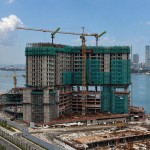
SkyWorld will adopt the Prefabricated Prefinished Volumetric Construction (PPVC) method for its development in Batu Kawan. This innovative construction approach involves manufacturing building modules in a controlled factory environment before transporting and assembling them on-site. By improving construction precision and consistency, PPVC offers the potential to enhance workmanship quality and construction efficiency.
The soft opening also coincided with the 2026 SkyWorld Guang Ming Education Awards, reflecting the Group’s belief that building better communities extends beyond providing quality homes to supporting education and nurturing future generations. As SkyWorld continues to expand its footprint in Penang, the Group remains focused on delivering quality developments that elevate living standards, create lasting value and contribute positively to the communities it serves.
For more information, visit SkyWorld Gallery @ Bandar Cassia at Units 29 and 31, Vervea, Jalan Vervea 1, Bandar Cassia, 14110 Simpang Ampat, Penang. For directions, search “SkyWorld Gallery @ Bandar Cassia” on Waze.