
Rising Middle East tensions may push property prices higher
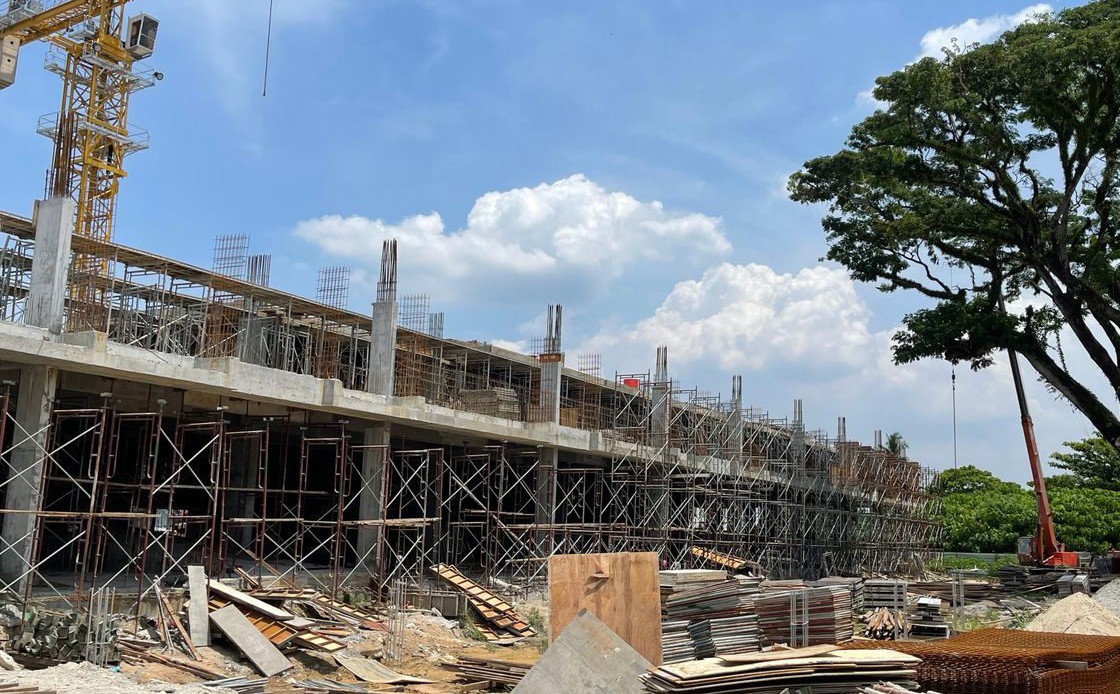
Homebuyers and investors may soon face higher property prices as Malaysia’s construction sector braces for a possible sharp rise in building costs, driven by prolonged geopolitical tensions in the Middle East. Industry experts warn that if the conflict persists, construction costs could surge by as much as 30% to 40%, placing further pressure on an already challenging housing market.
According to industry observers, the impact stems largely from escalating fuel prices and ongoing supply chain disruptions, which directly affect the cost of essential building materials such as steel, cement, sand, and reinforcement bars. These materials make up a substantial portion of development costs, and any prolonged increase is likely to eventually be reflected in selling prices, especially for new launches and higher-end developments.
While some developers may attempt to absorb part of the increase to remain competitive, sustained cost pressure leaves little room to fully shield buyers from rising prices. Affordable housing projects may continue to see some level of price protection due to policy intervention and regulatory controls, but commercial and premium residential segments are expected to be more vulnerable to price adjustments.
Beyond materials, developers are also dealing with rising logistics expenses, labour costs, financing pressure, and uncertainty in project budgeting. The volatility in shipping routes and raw material pricing has made it increasingly difficult to provide accurate cost projections during the planning stage, potentially leading to delays, cost overruns, and deferred launches.
For Penang’s property market, the implications could be especially relevant given the state’s active pipeline of high-rise residential, industrial, and mixed-use developments that depend heavily on imported materials and efficient logistics. Projects in key growth corridors such as Bayan Lepas, Batu Kawan, and the island’s northern coastal belt may feel the effects more noticeably should supply disruptions worsen.
To manage the situation, experts suggest that developers adopt more cost-efficient construction methods such as IBS, optimise project designs, and strengthen procurement planning. At the policy level, faster approvals, targeted incentives, and efforts to reinforce local supply chains may help cushion the impact and keep future housing supply relatively stable.