The Penang state government will be presenting its ambitious Penang Bay project at the 10th World Urban Forum (WUF10) to seek funding and ideas from investors, said state exco Jagdeep Singh Deo.
The Local Government, Housing and Town and Country Planning Committee chairman will be leading a delegation to WUF10 in Abu Dhabi from February 8 to 13.
“The Penang Bay project is an ambitious long-term vision for the waterfront of Butterworth and George Town so we will be seeking investors’ interest in the project during WUF10,” he said during a press conference yesterday.
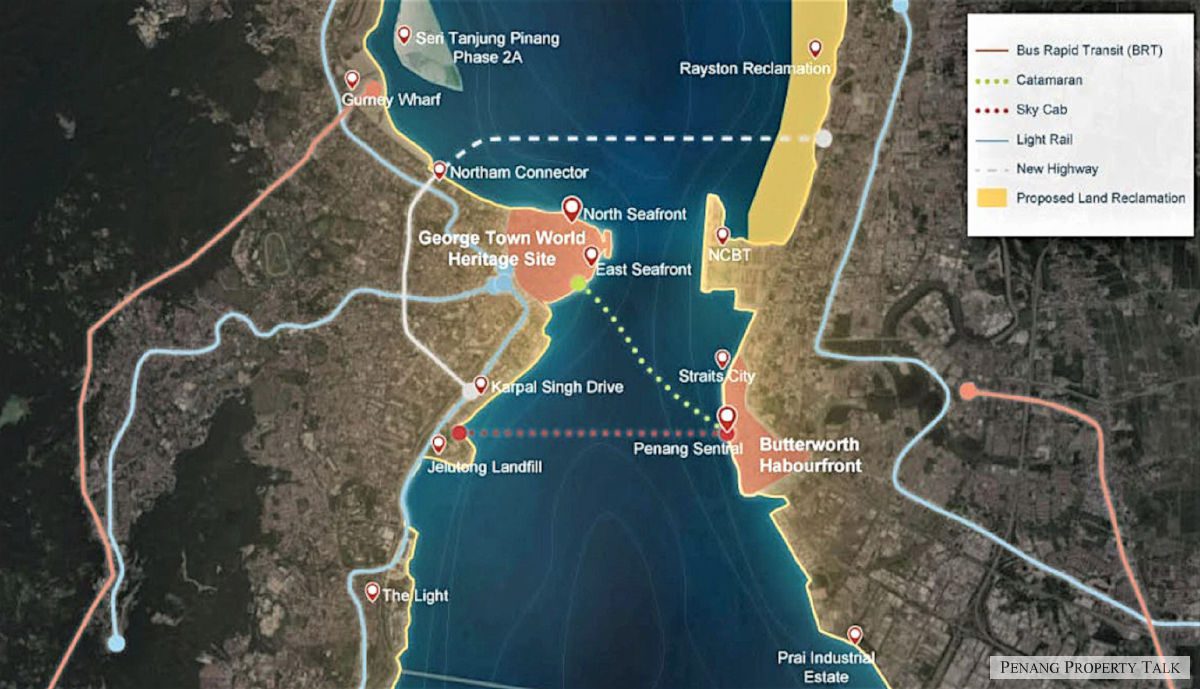
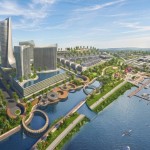
The project, which is developed by the George Town Conservation and Development Corporation (GTCDC), aims to create a new city core between Butterworth and George Town.
GTCDC is a tripartite partnership between the Penang state government’s Chief Minister’s Incorporated (CMI), Think City Sdn Bhd and Aga Khan Trust for Culture.
According to Think City programme director Matt Benson, they are looking for prefeasibility funding from interested investors.
“We will pitch it to investors at WUF10 and we are not only looking for funding, but also investors with creative ideas on the project,” he said.
The Penang delegation to Abu Dhabi will be seeking smart investment for the Penang Bay project by pitching it at the Cities Investment Platform.
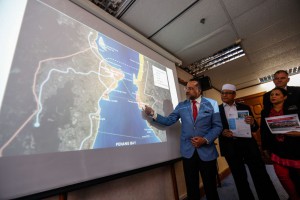 Jagdeep said the Penang Bay project was selected from over 100 projects globally for the WUF10 Cities Investment Platform pitching session.
“It is among nine projects shortlisted to be showcased to a distinguished global investor panel that includes leading financing organisations and urban technology players,” he said.
He added the delegation will also be launching the Penang Bay Competition at WUF10 to seek creative ideas from architecture and planning professionals.
“A six-member jury will select the top three winners and three additional honourable mentions,” he said.
He said the results of the competition will be put up for public viewing by the middle of this year.
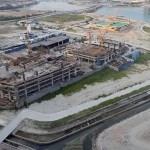
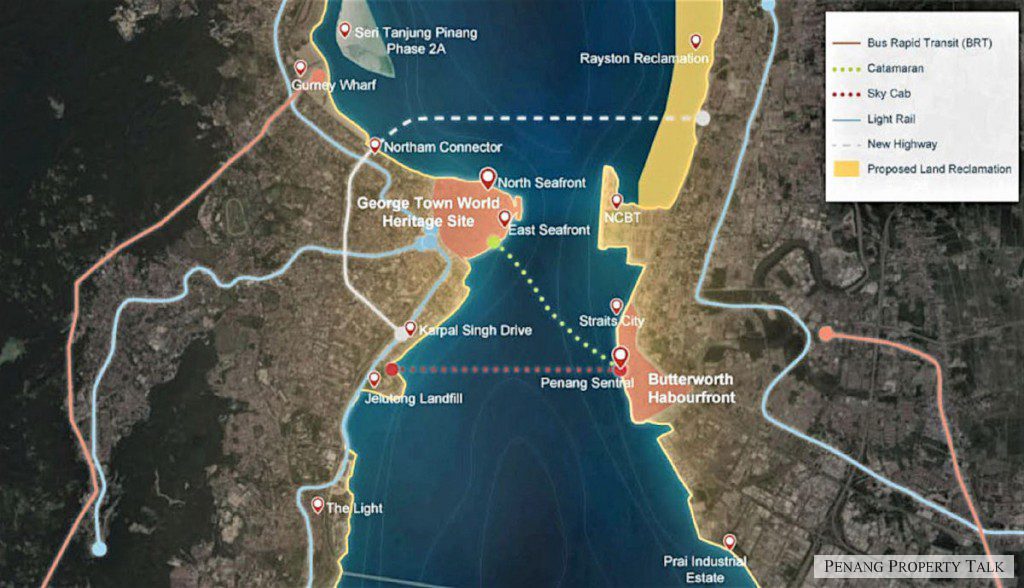
On the Penang Bay project, Jagdeep said it will incorporate Gurney Wharf, light rail connectivity, Jelutong landfill, the George Town north and east seafront projects and waterfront redevelopment in Butterworth.
The two major components of the project will focus on the George Town central business district (CBD) and Butterworth.
The George Town CBD will be transformed into a creative and technology precinct which integrates with the east and north seafront projects.
It will be connected to Gurney Wharf through a new coastal walkway and to Butterworth through high-speed ferry.
“In Butterworth, an innovation hub is being planned around Penang Sentral and port facilities that incorporate vertical factories purpose-built for industries of the future with 5G wireless technology and ferry and rail connections,” he said.
He added that Butterworth will also have education and recreation components.
“This project is aligned with UN-Habitat Sustainable Development Goals (SDG) to build resilient infrastructure, foster innovation in cities and support sustainable communities,” he said.
Source: MalayMail.com