fbpx

Silicon Island set to contribute RM1.1 trillion to GDP by 2050
Property News/ 7 April 2026 No comments

silion-island-land-use-proposal

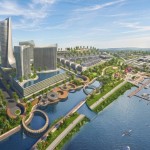
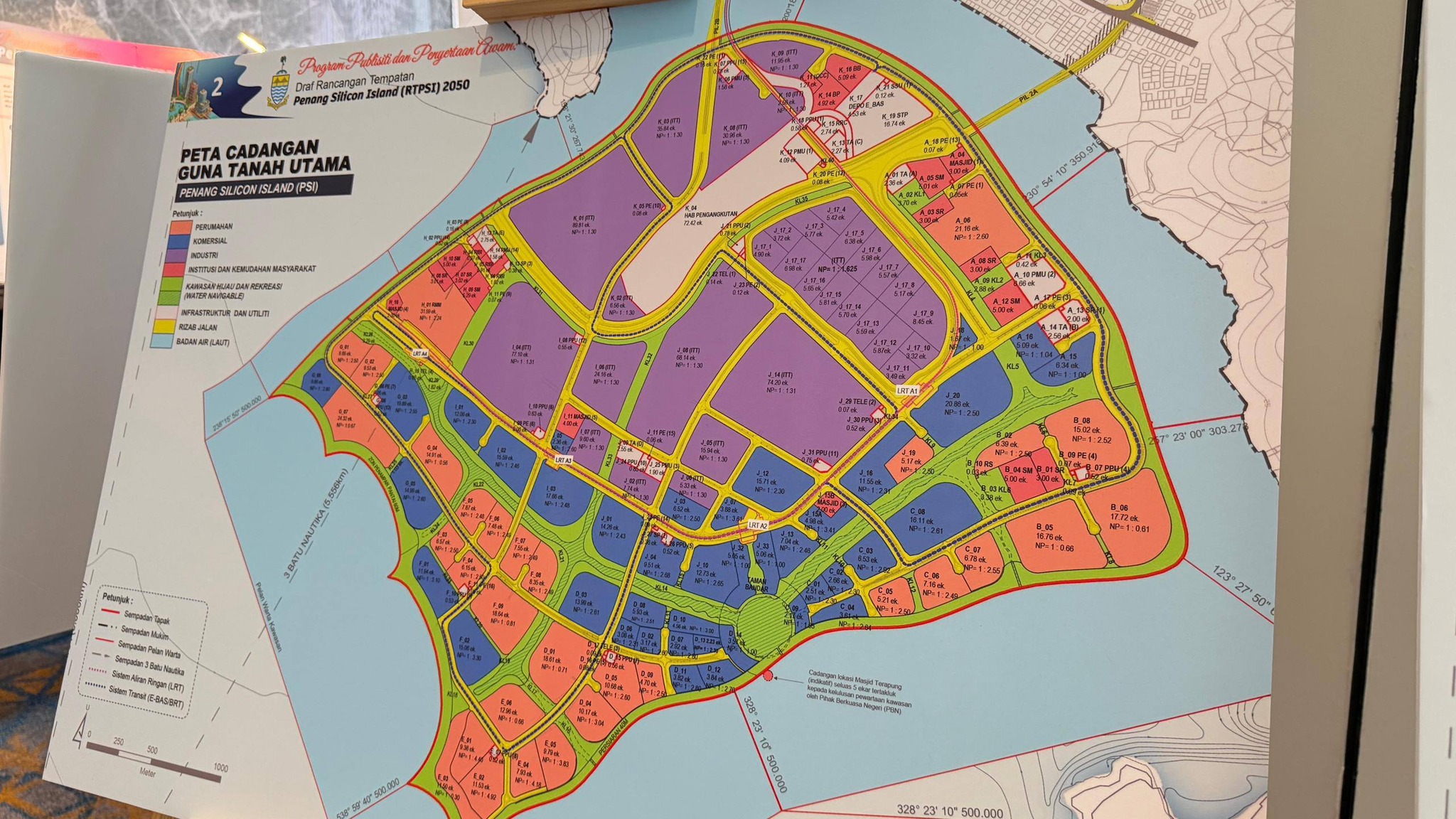
Penang’s Silicon Island development is projected to contribute at least RM1.1 trillion to the state’s gross domestic product (GDP) by 2050, further strengthening Penang’s position as a leading high-tech economic hub in the region. The large-scale project is also expected to create approximately 220,000 jobs across strategic sectors, including advanced manufacturing and the digital economy.

Chief Minister Chow Kon Yeow said the state government remains committed to developing Silicon Island through urban planning guided by best practices and strong Environmental, Social and Governance (ESG) principles. According to him, this approach will enhance Penang’s appeal to both global and regional investors while positioning the state as a key destination for future-ready industries.
silicon-island-public-participation

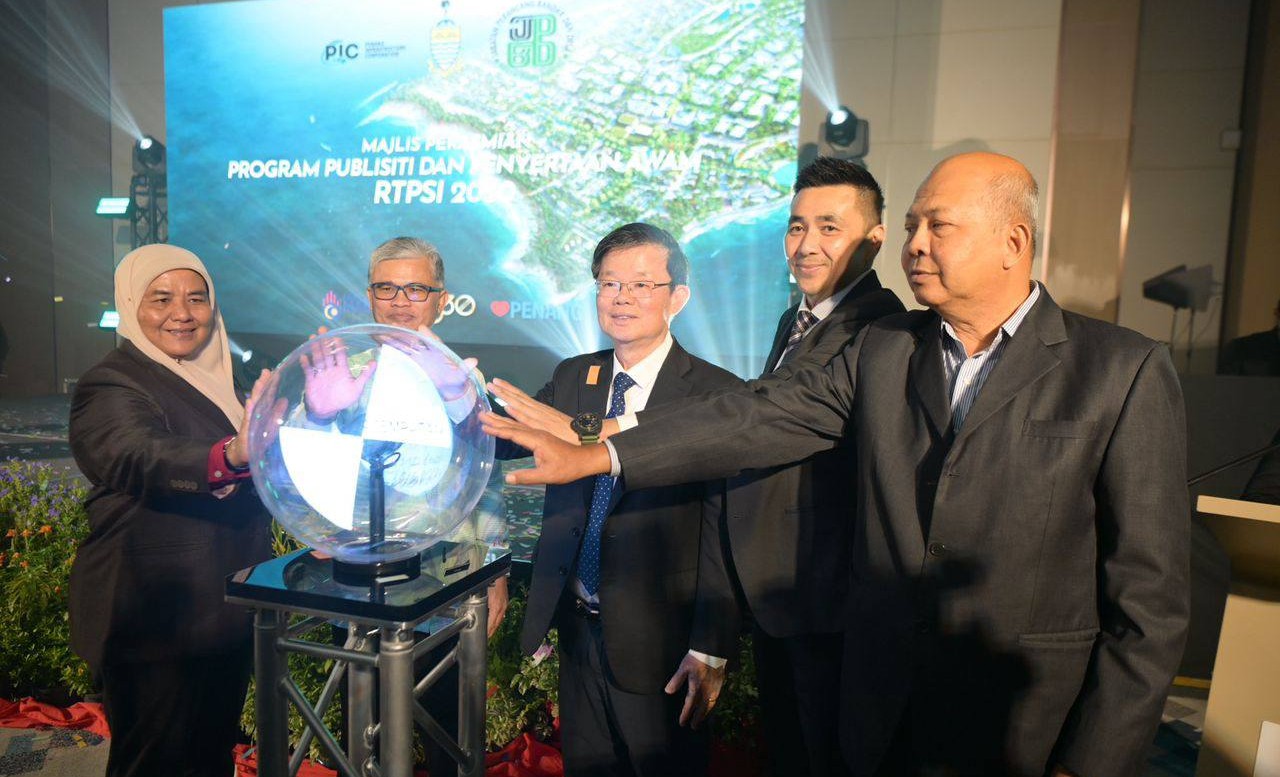
Speaking at the launch of the Publicity and Public Participation Programme for the Draft Penang Silicon Island Local Plan (RTPSI) 2050 on April 7, Chow highlighted that the plan marks a national milestone as Malaysia’s first local plan fully developed for a reclaimed greenfield area using integrated GeoBIM database technology.

Spanning 2,300 acres of newly reclaimed land, the masterplan allocates 553 acres for a Managed Industrial Park, complete with plug-and-play facilities to support high-value industries and accelerate investment readiness. Sustainability remains a key pillar of the development, with targets that include a 45% reduction in carbon emissions, the use of 100% renewable energy at the Green Tech Park, and a 70:30 public transport modal split to encourage greener mobility.

The development will also feature the iconic Heart of the Island (HOTI) as well as land reserved for a modern and efficient state administrative centre, reinforcing the island’s role as a comprehensive economic and civic hub.

Chow called on stakeholders, private sector players, and local communities to provide constructive feedback throughout the publicity period to ensure the final plan reflects an inclusive and sustainable vision for Penang’s future.
The Rimbun

Bukit Mertajam/ 6 April 2026 No comments

the-rimbun

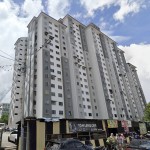
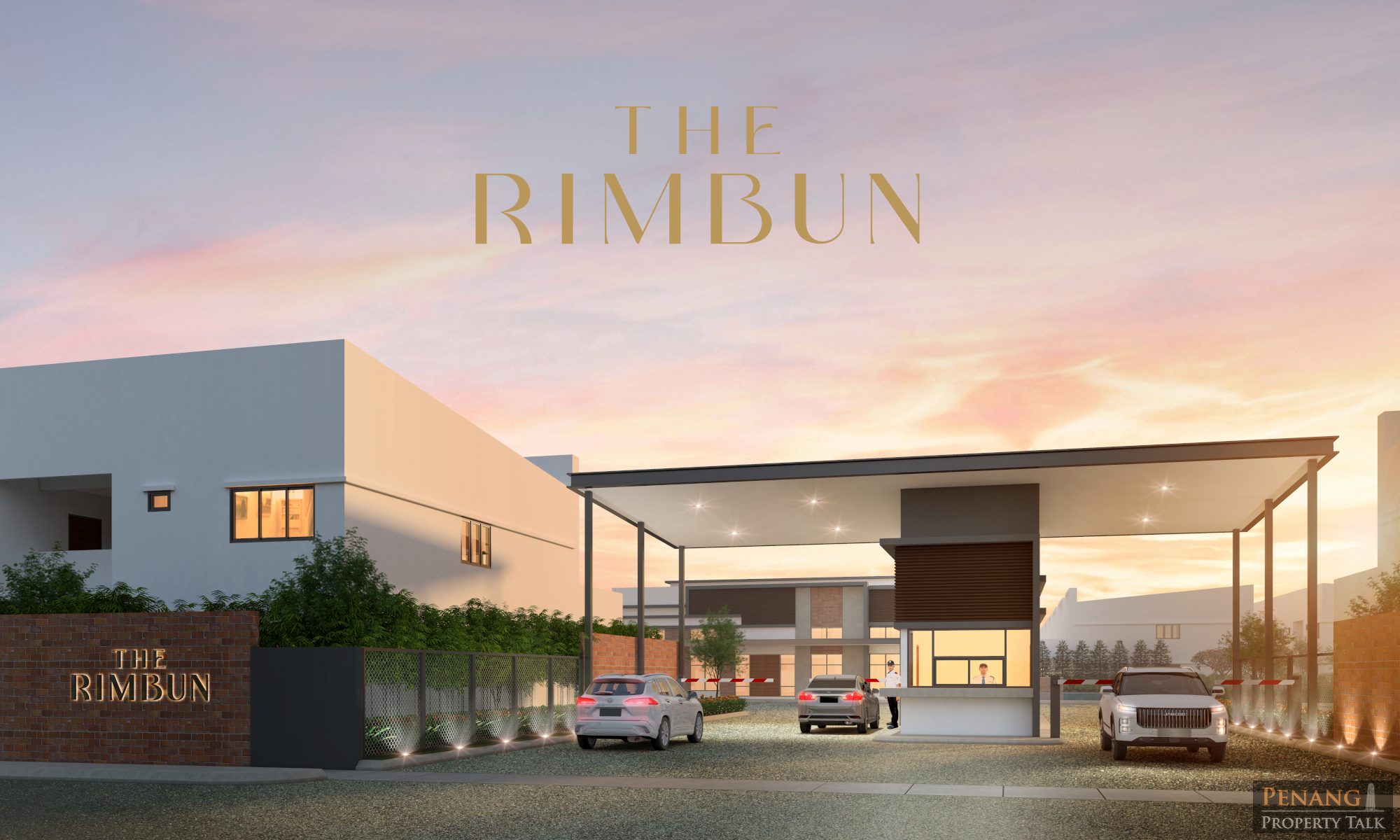
The Rimbun is an affordable strata townhouse development by PTL Properties Sdn. Bhd., located in Bukit Mertajam. This gated and guarded community provides a safe and peaceful environment for its residents from the moment they enter. The development also includes a clubhouse with facilities such as a community hall, swimming pool, gym, outdoor gym, BBQ pit area, and more.

The Rimbun is strategically located with easy access between Butterworth and Batu Kawan, making it convenient to reach major highways, key locations, and daily necessities. The area around the project has essential amenities like schools, shops, and community facilities, all within a 5km radius.

The project consists of 664 townhouse units built on freehold land. There are two layout options with built-up areas of 981 sq.ft. and 1,250 sq.ft. Each unit has three bedrooms and two bathrooms, designed for practical family living.

For further enquiries, please contact PTL Properties at +6018-208 6277

Project Name : The Rimbun
Location : Bukit Mertajam, Penang
Property Type : Townhouse (Affordable housing)
Built-up Area: 981 sq.ft. and 1,250 sq.ft
Total Units: 664
Land Tenure: Freehold
Indicative Price: RM400,000 onwards
Developer :
PTL Properties Sdn. Bhd.

Register your interest for The Rimbun

*By submitting this Form, you hereby agree to our PDPA Consent Clause.
(This information may be used by the developer or their appointed agent to initiate follow-up communications with you on the project.)
LOCATION MAP

Penang LRT reaches new milestone as casting yard hits 90% completion

Property News/ 6 April 2026 No comments

penang-lrt-casting-yard

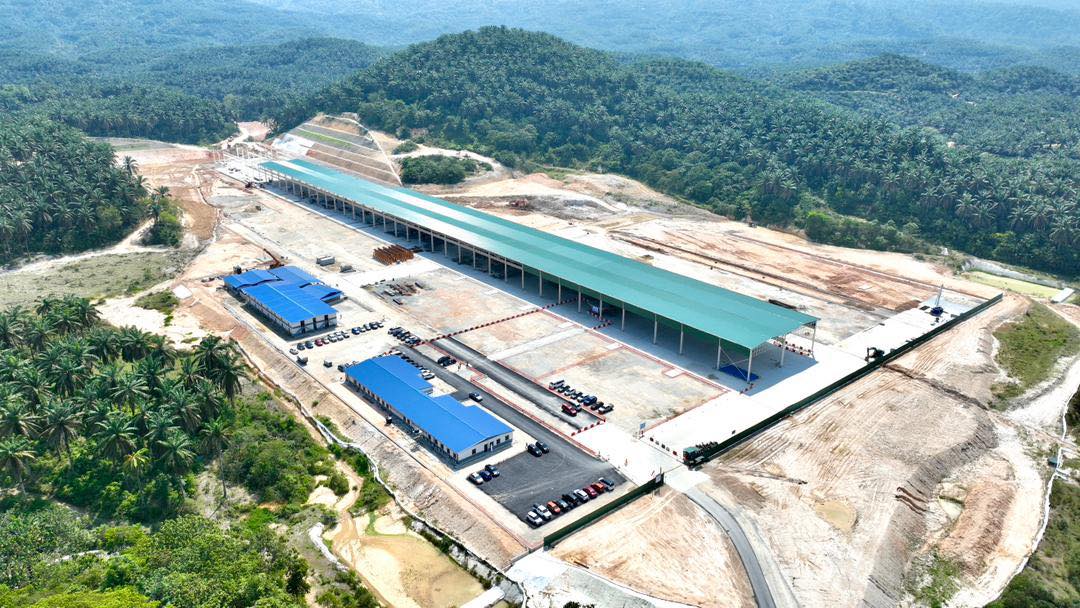
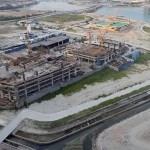
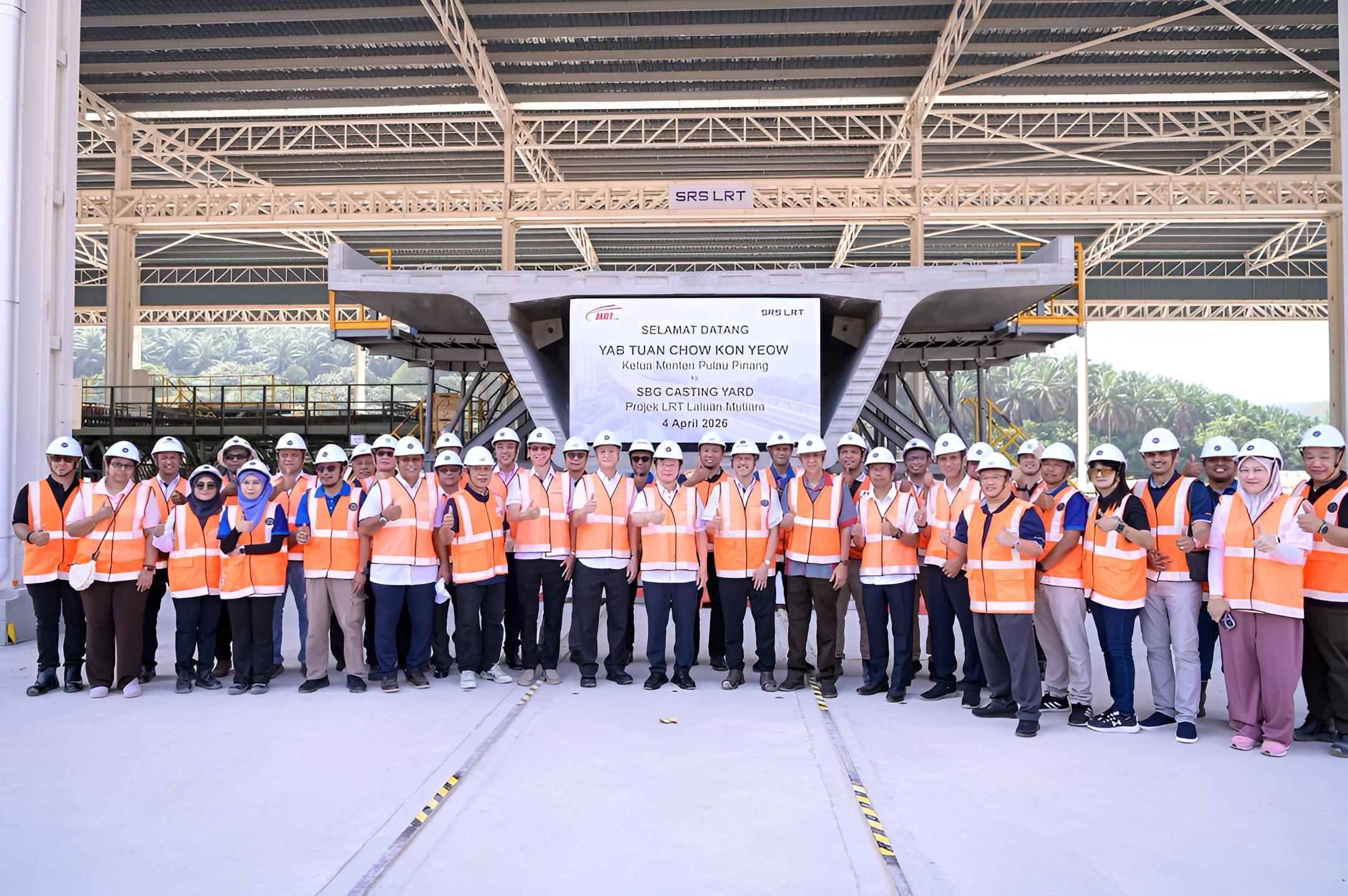
The Penang Mutiara Line LRT project has achieved a significant milestone with the segmental box girder (SBG) casting yard in Sungai Ular, Kulim now 90 per cent complete.

Chief Minister Chow Kon Yeow said in a statement on Saturday that the 15.378-hectare facility is set to play a critical role in constructing the project’s elevated guideway by producing the concrete SBG segments that form its main structure.

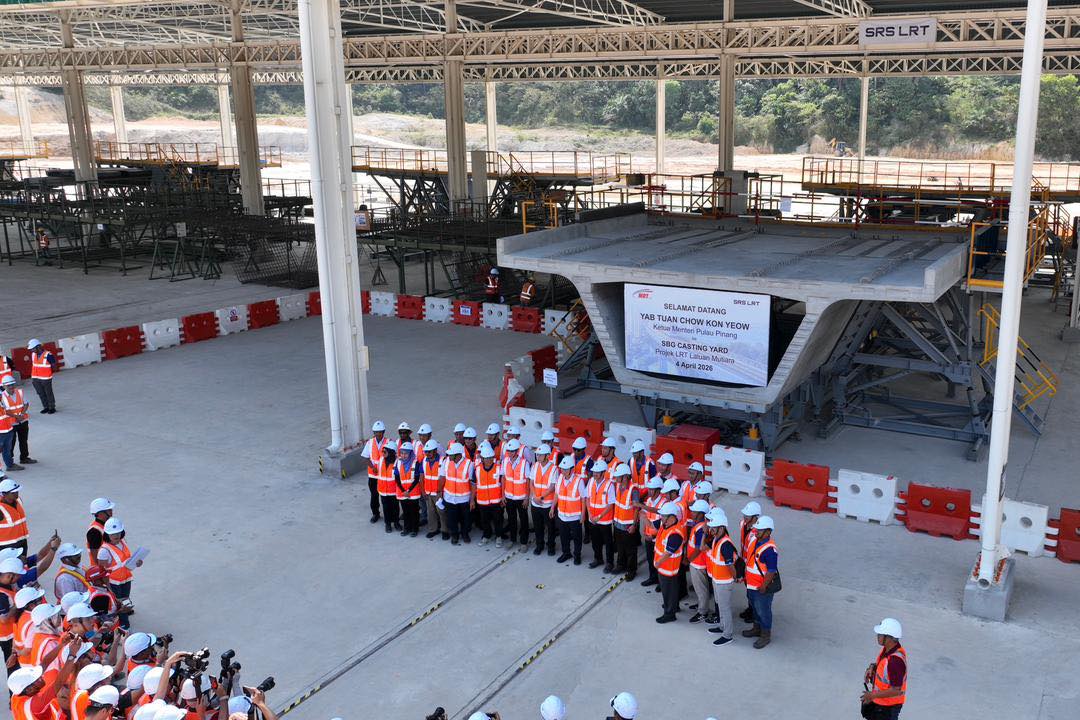
Chow, who visited the site this morning, expressed satisfaction with the steady progress, saying it reflects growing momentum in delivering the state’s first LRT system.

He added that the casting yard is an important step as the project moves into its next phase, with full completion of the facility expected by May 2026 following the start of works in April 2025.

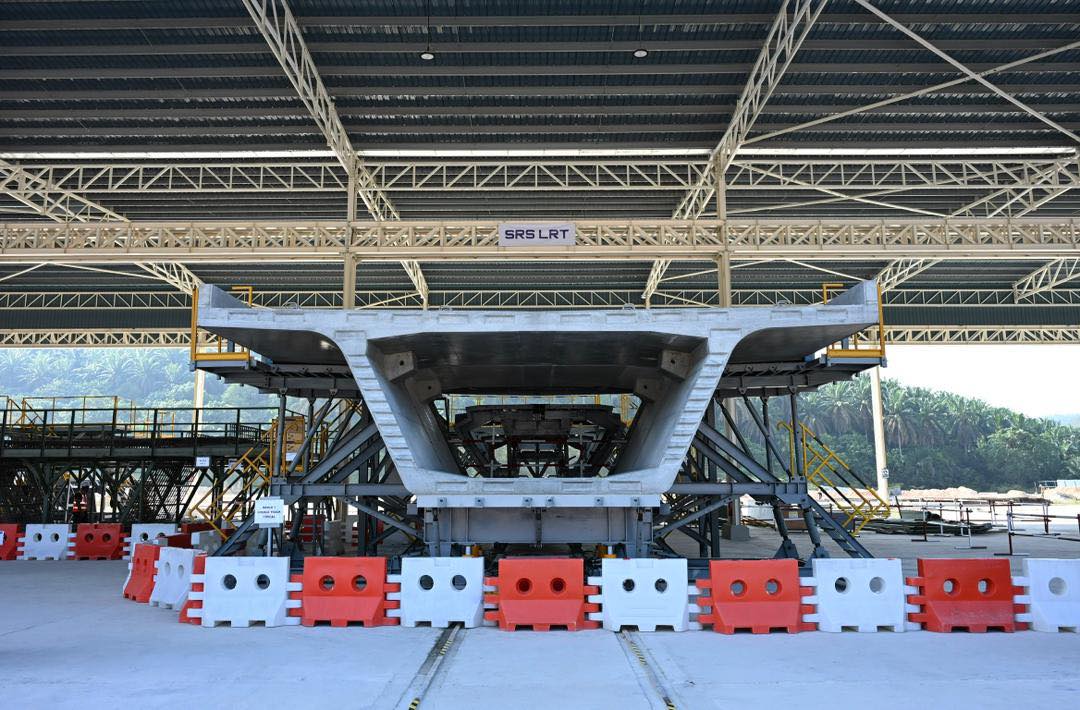
SRS LRT project director Adil Putra Ahmad said the facility will produce approximately 8,800 SBG segments required for the Civil Main Contractor 1 (CMC1) package, which covers a 23.7-kilometre alignment from Silicon Island to Komtar.

Supported by a workforce of 400 personnel and 20 mould sets, the yard is expected to produce up to 350 segments per month at peak operations, with the first segment already successfully cast.

The statement said the segmental construction method was chosen for its suitability to Penang’s urban environment, as it improves efficiency while minimising ground-level disruptions and enhancing safety.

Piling and pier construction are currently underway, and the first spans, each measuring 40 metres long and consisting of 13 segments, are expected to be launched at sites like Bandar Seri Pinang between July and August.

The Chief Minister advised the public that while SBG launching is typically carried out at night in busy areas to minimise traffic impact, there may be necessary adjustments to traffic management plans (TMP) as construction activities increase.

He also emphasised that with continued coordination and prompt approvals, the state government remains confident the project is on track for its targeted commencement of operations in 2031.

Source: Bernama

Fresh debate over Penang LRT secondary depot location

Property News/ 4 April 2026 No comments
penang-mutiara-lrt-line-secondary-depot

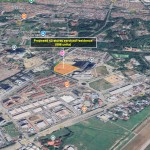
Proposed Sungai Dua depot site

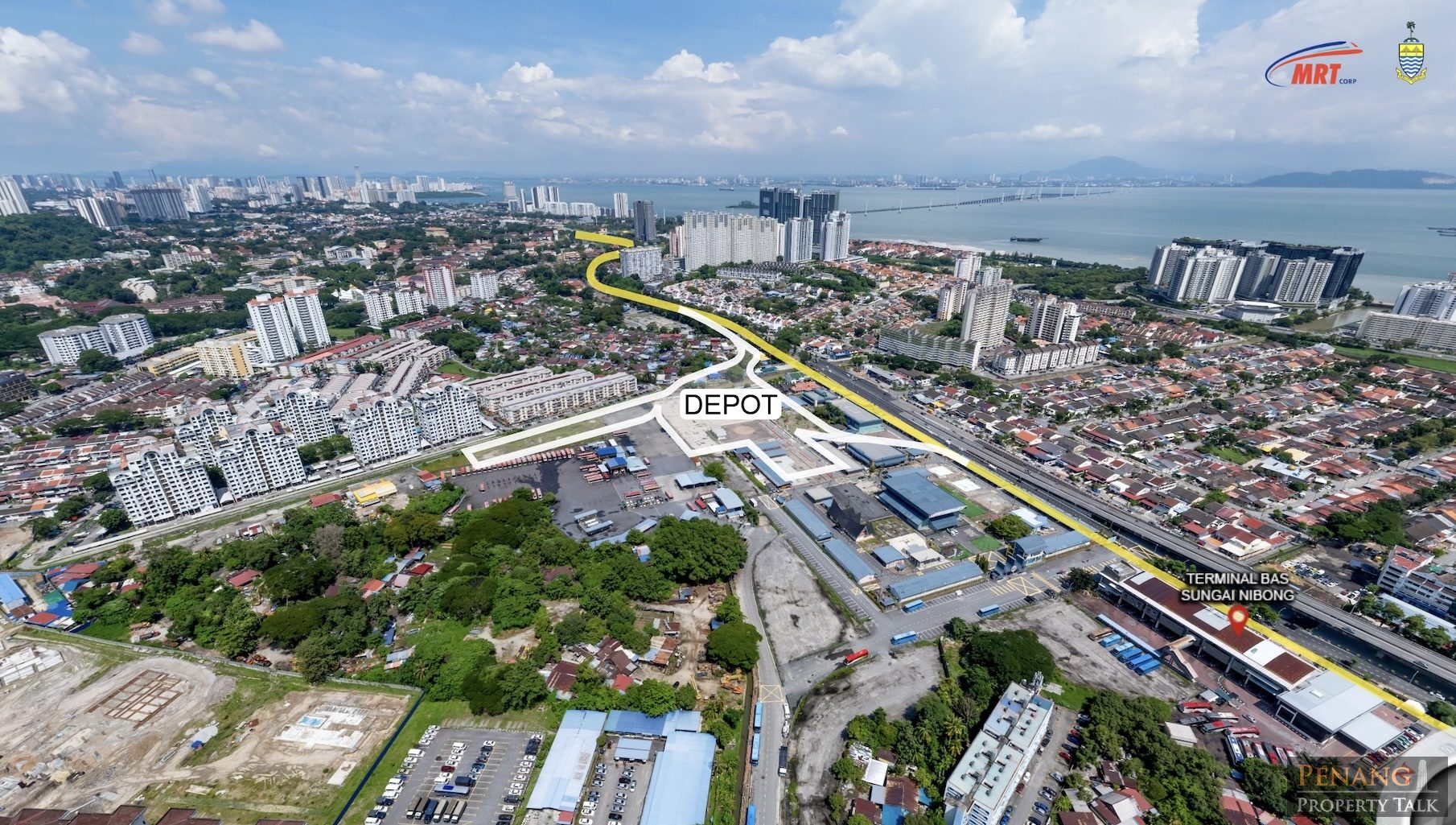
Fresh discussions have emerged over the proposed secondary depot for the Penang LRT’s Mutiara Line, following feedback received during the public display of the revised railway scheme.

A key point of debate is whether the currently proposed Sungai Dua depot site, located on part of the former Pesta grounds, should instead be relocated to Penang Sentral in Butterworth.

Several industry sources quoted by The Star believe a mainland-based depot could improve long-term operational efficiency, particularly if the LRT network expands further into Seberang Perai and northern Penang in the future. Having depots at both ends of the line is also seen as a way to reduce service disruptions by allowing trains to be deployed or returned for servicing from either direction.

Another potential benefit highlighted is land optimisation on Penang island, as shifting the depot away from Sungai Dua could free up strategically located land for higher-value transit-oriented or residential developments in the future.

There is also growing interest in the possibility of integrating the proposed depot with the future Penang Sentral LRT station, creating an opportunity to unlock a larger publicly accessible waterfront space in Butterworth. Such a move could complement the broader regeneration potential of the Penang Sentral precinct and its surrounding seafront.

However, Malaysia Rapid Transit Corporation has clarified that the secondary depot is intended mainly for train stabling and daily operational readiness, rather than heavy maintenance. Major servicing works will continue to be handled at the primary depot on Silicon Island, which remains the main rail maintenance hub for the Mutiara Line.

According to MRT Corp, several possible locations are still being evaluated, with considerations including operational requirements, land availability, and long-term development plans of surrounding areas.

The full 29.5km Mutiara Line will connect Silicon Island to Komtar before crossing to Penang Sentral, with completion targeted by the end of 2031.

The evolving depot discussion reflects broader efforts to future-proof the Mutiara Line while balancing operational resilience, urban development opportunities, and waterfront revitalisation on both sides of the channel.

Pulau Jerejak’s 26.5-acre shipyard site poised for future redevelopment

Property News/ 3 April 2026 1 comment

pulau-jerejak-shipyard

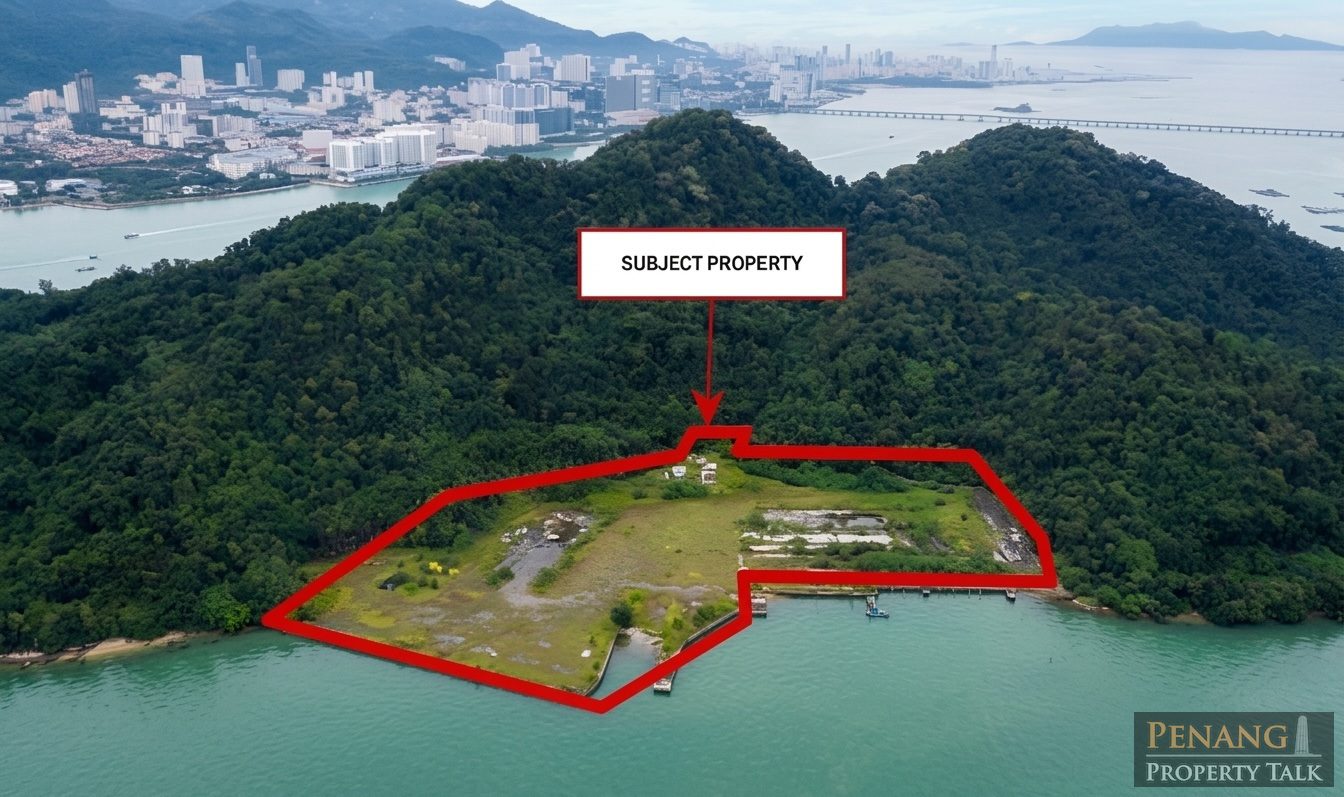
Ark Resources Holdings Bhd (ARK) is acquiring three adjoining parcels of vacant leasehold land on Pulau Jerejak, for RM28 million cash, marking a strategic landbanking move that could pave the way for a future mixed-use development.

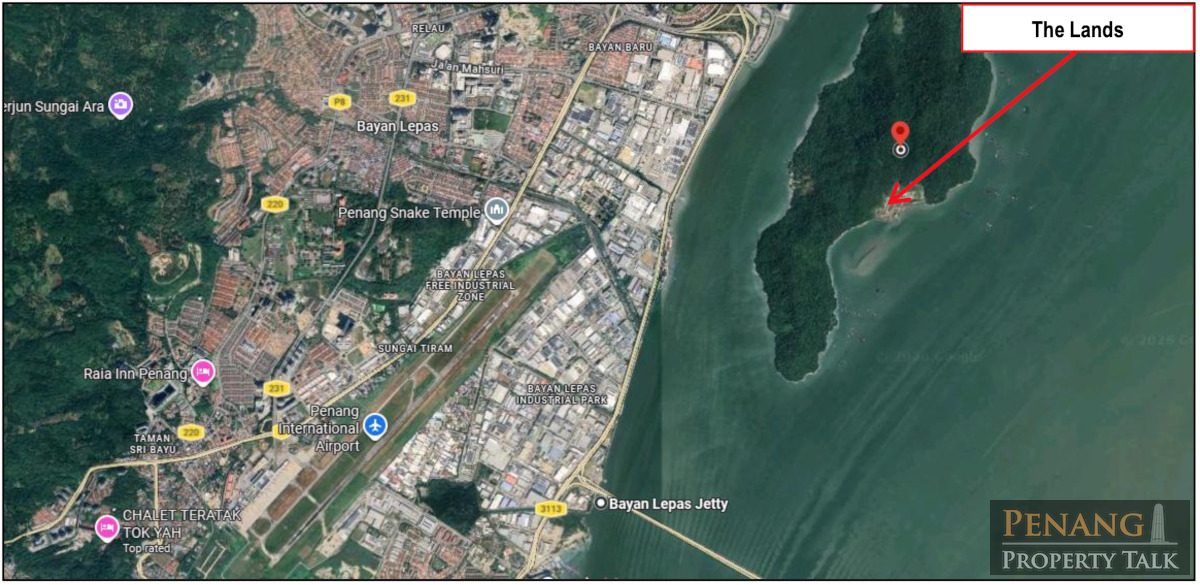
The land, currently owned by Boustead Penang Shipyard Sdn Bhd, spans a combined 26.5 acres, on the southeastern side of Pulau Jerejak. The site sits near the Bayan Lepas coastline, positioned between the Penang Bridge and Sultan Abdul Halim Mu’adzam Shah Bridge (Penang 2nd Bridge), with current access via the Seagate jetty followed by an approximately 4km boat ride.

Historically, the land was used for shipbuilding, ship repair, offshore structure works and warehousing, but has remained vacant since June 2024 after the cessation of shipyard-related activities. The site still carries industrial and shipyard-specific land conditions, which ARK plans to formally convert as part of the acquisition conditions.

pulau-jerejak-shipyard-lots

According to ARK’s announcement, the acquisition is being undertaken via its wholly owned subsidiary Karya Koperat Sdn Bhd, with the primary objective of expanding its landbank for future development opportunities in Penang. While no specific development concept has been finalised at this stage, the company said it intends to apply for the rezoning of the land from “industrial strictly for shipyard purposes” to residential, commercial and/or industrial use, effectively opening the door for a much broader development potential.

The transaction is expected to be completed by the third quarter of 2027, subject to approvals from shareholders, land authorities, zoning conversion, and state consent for the transfer.