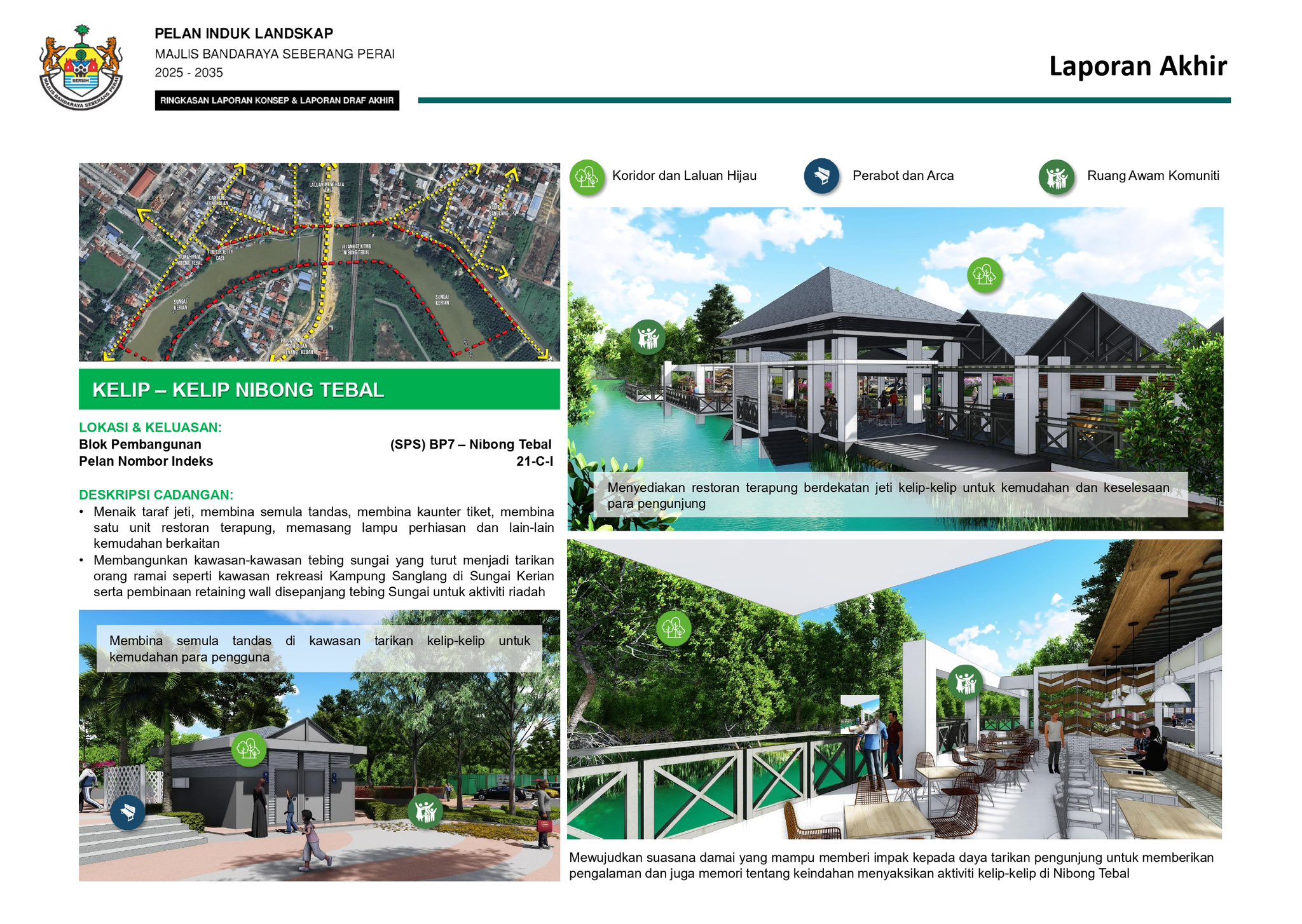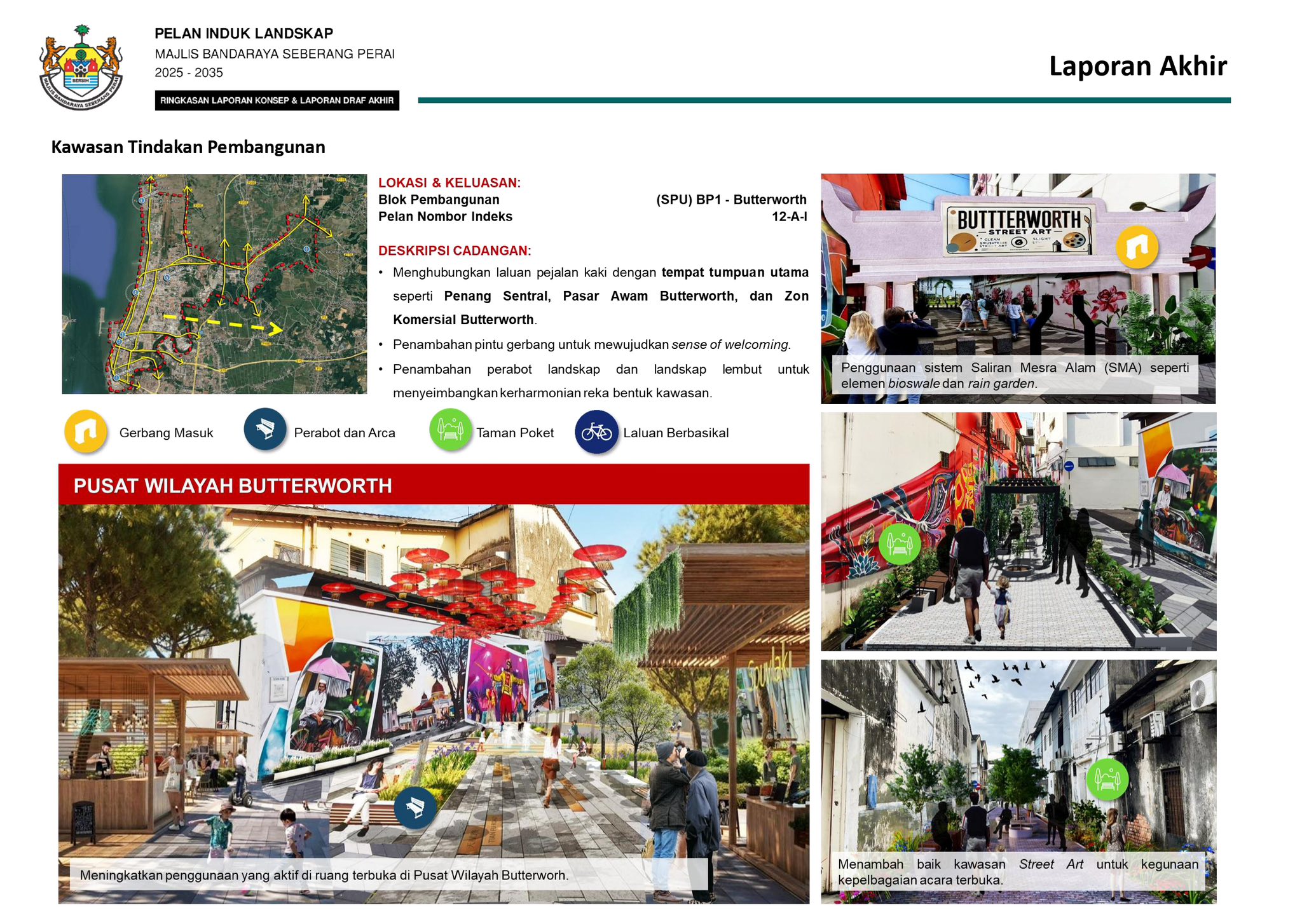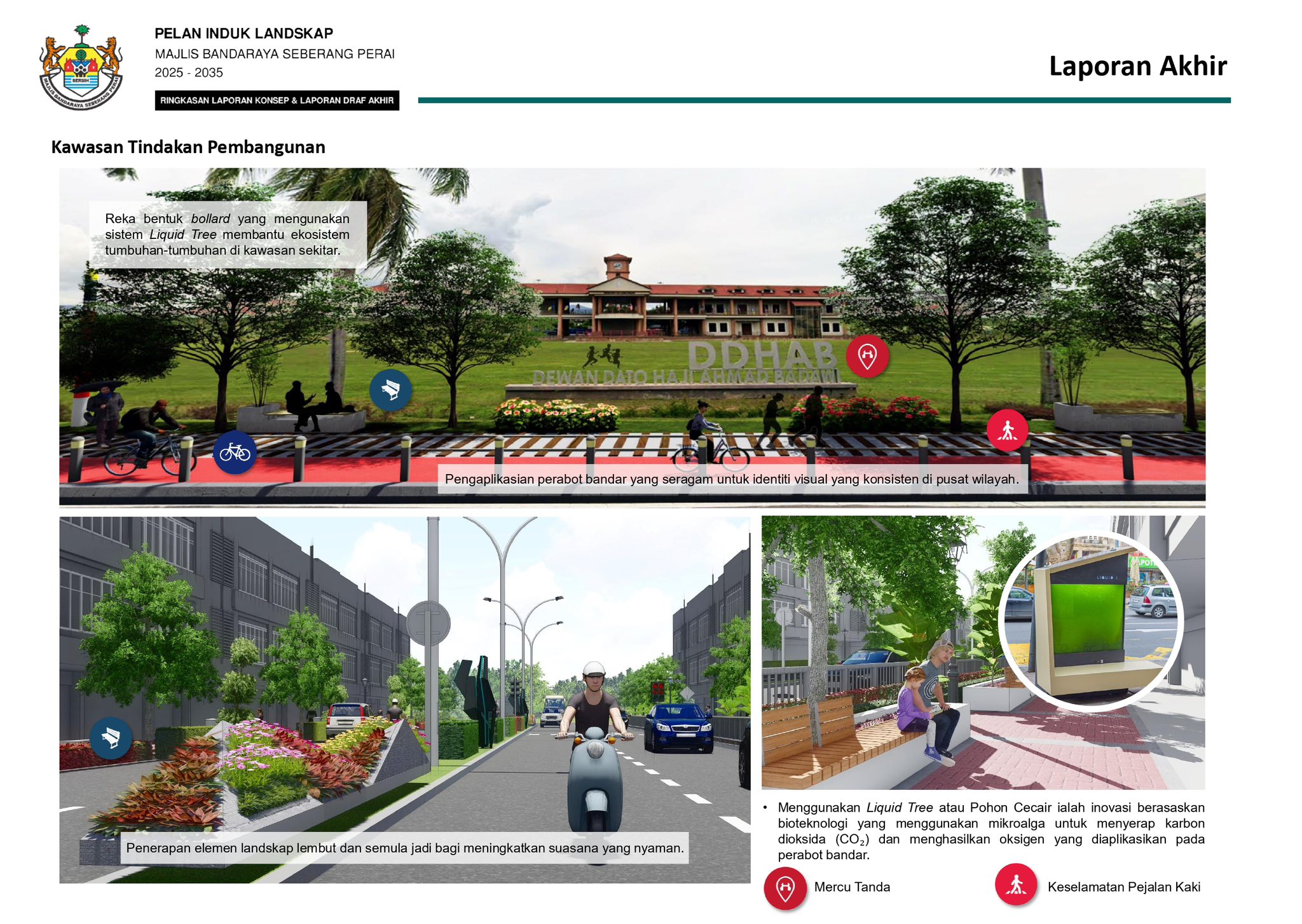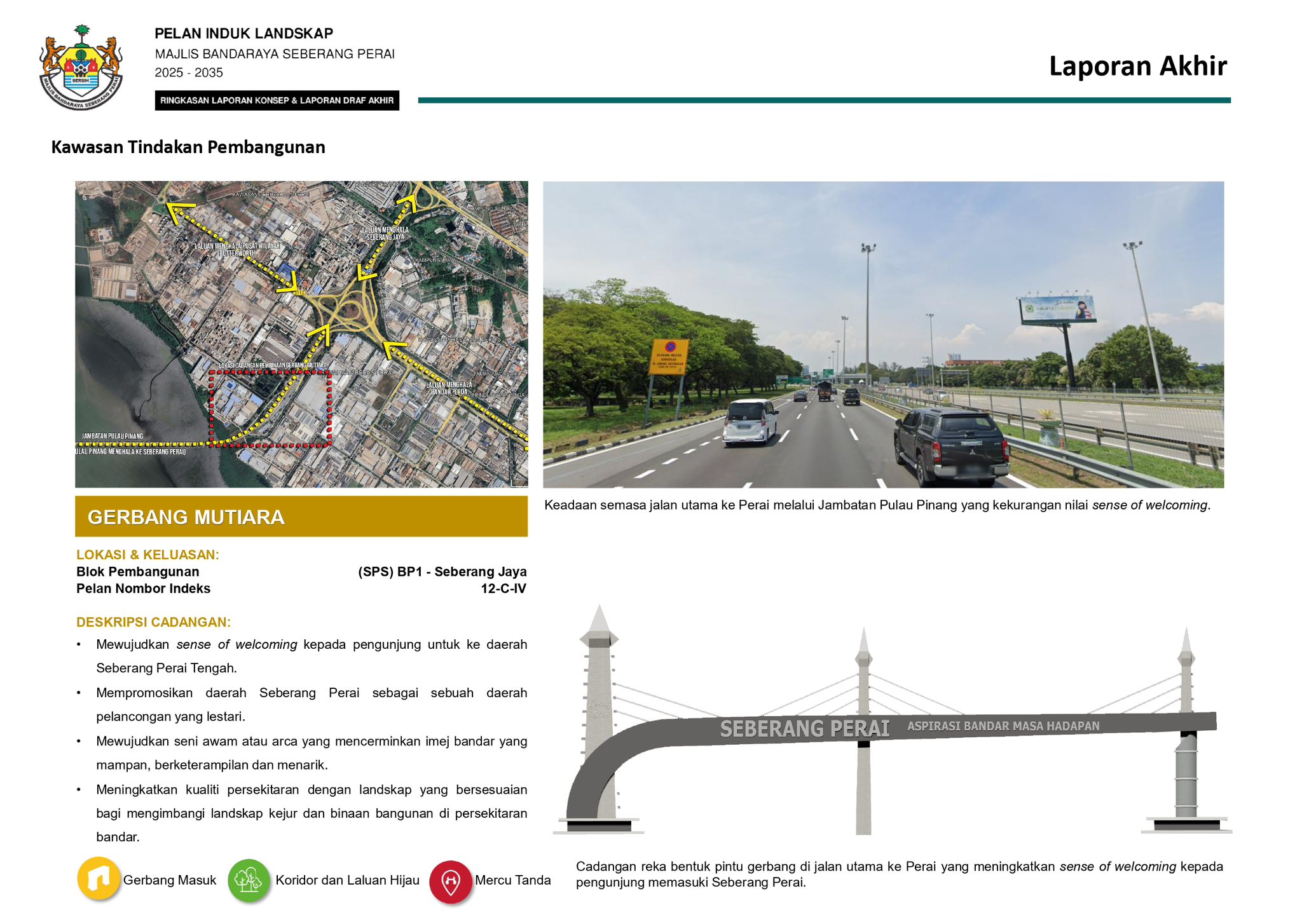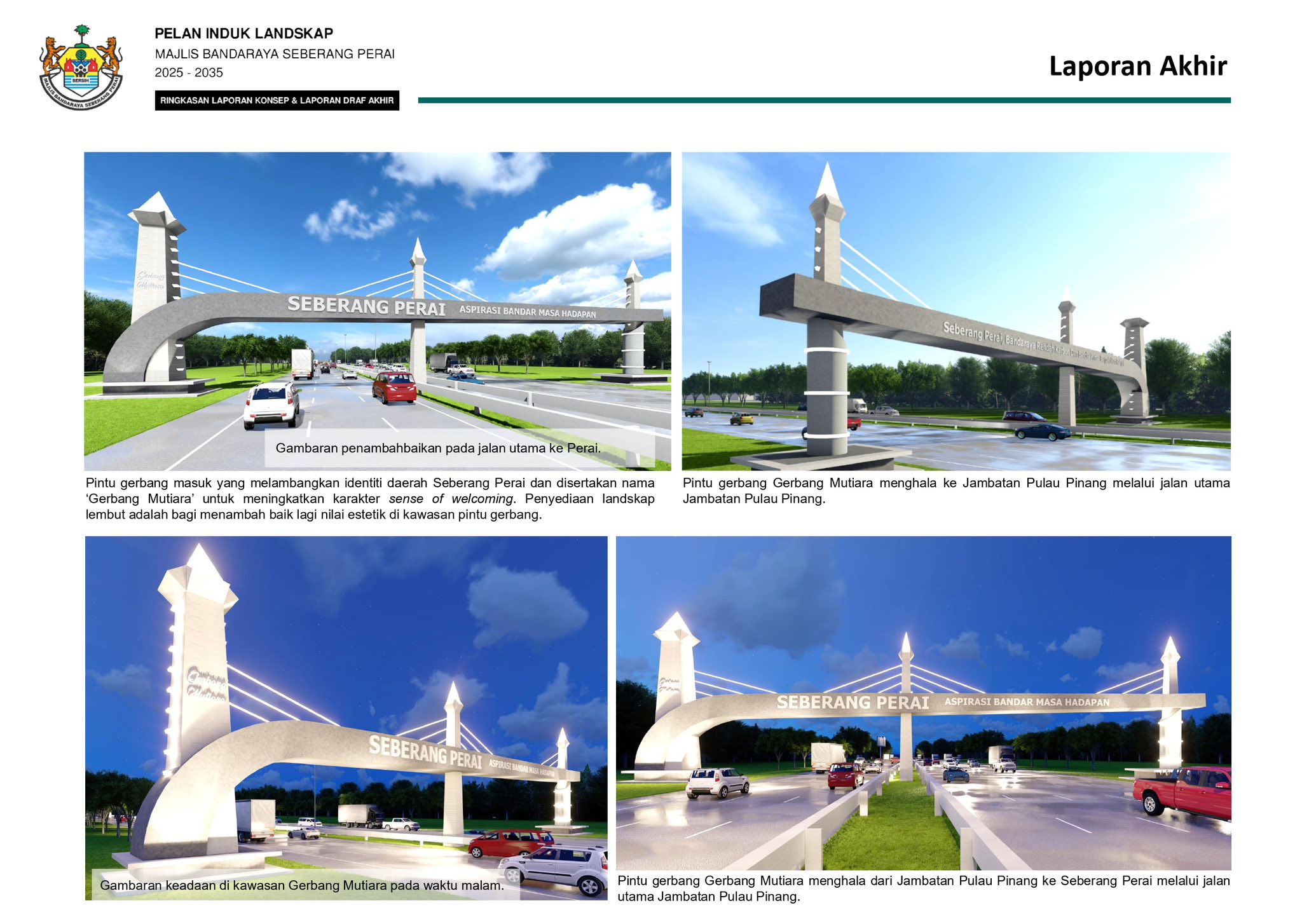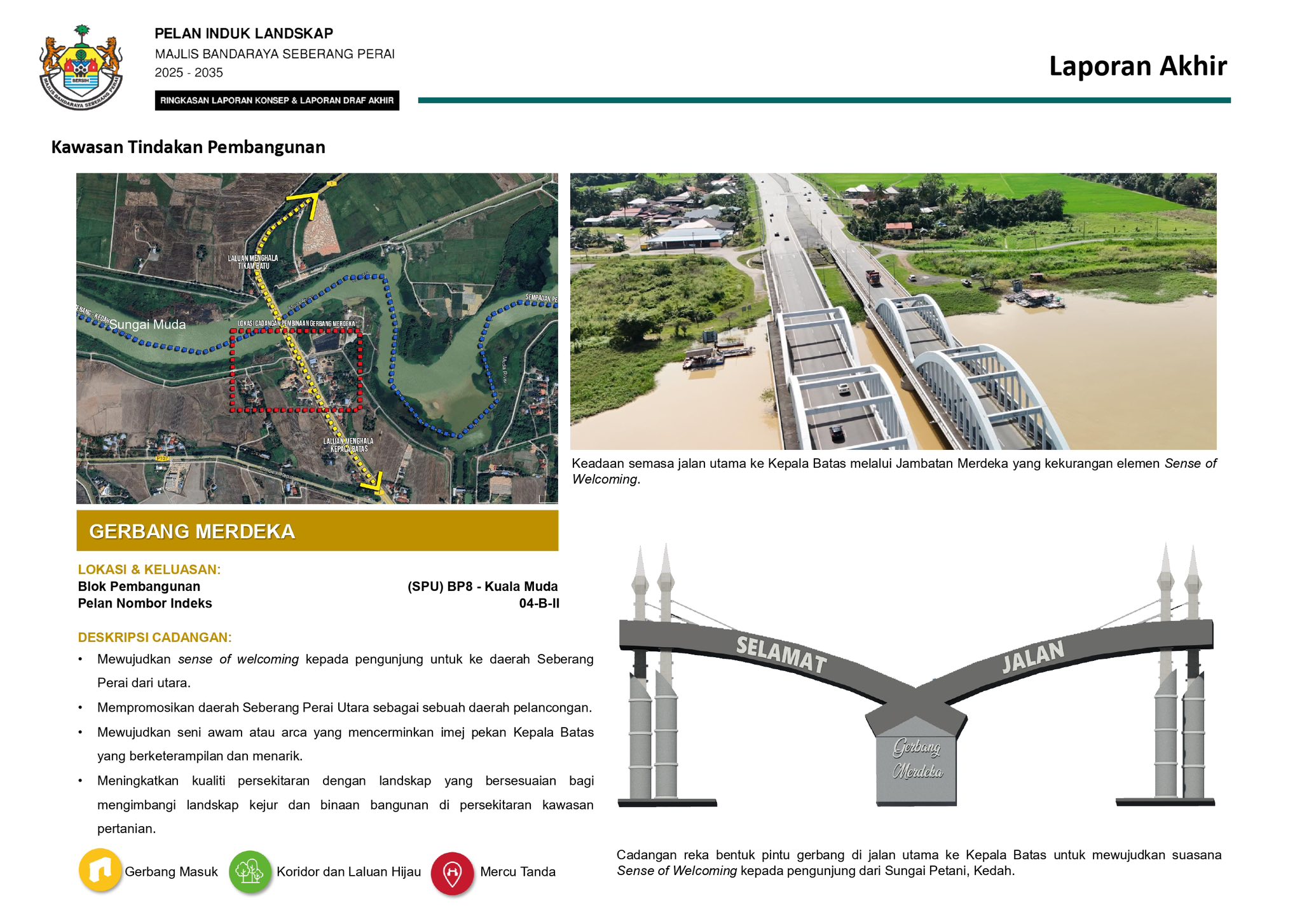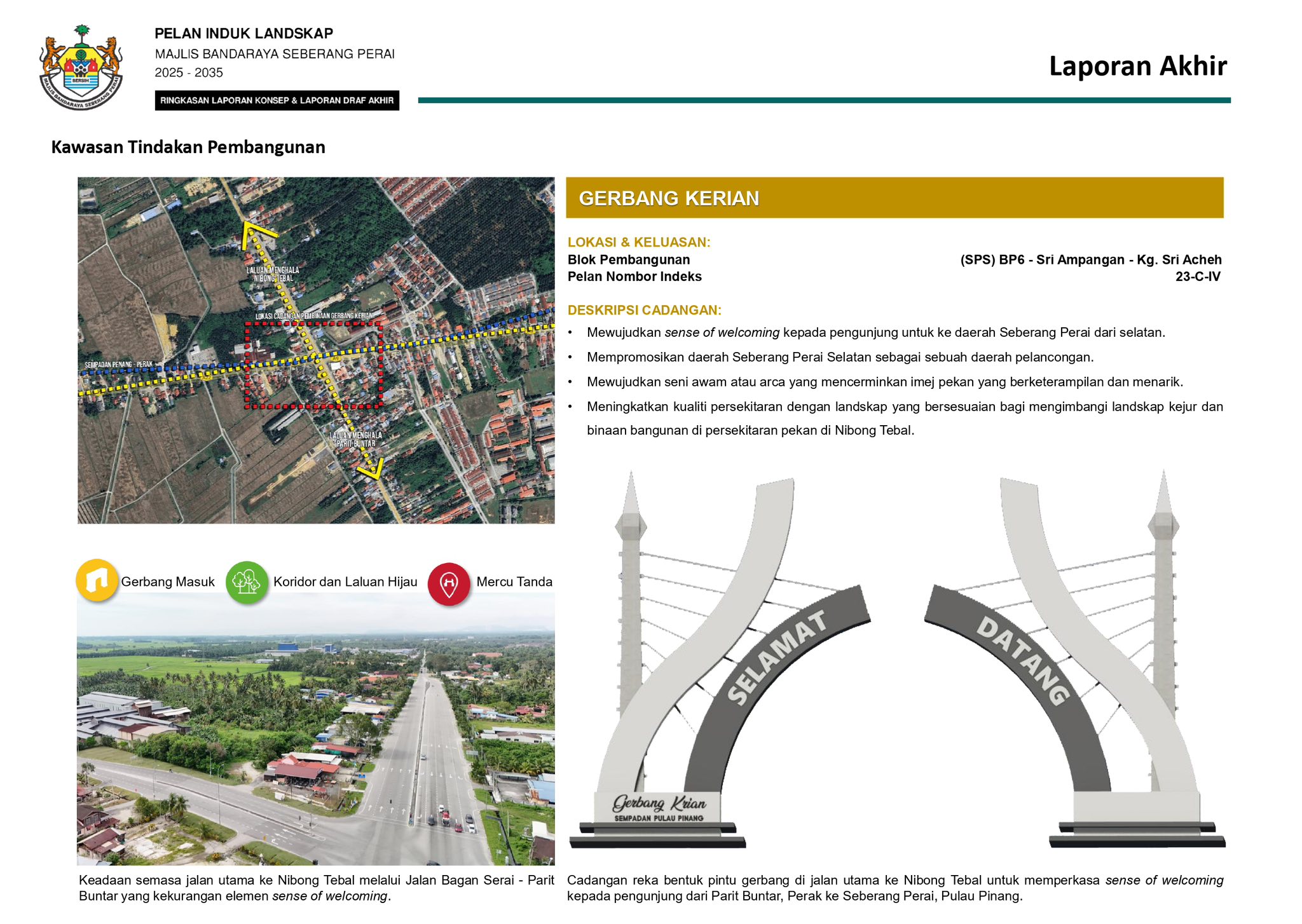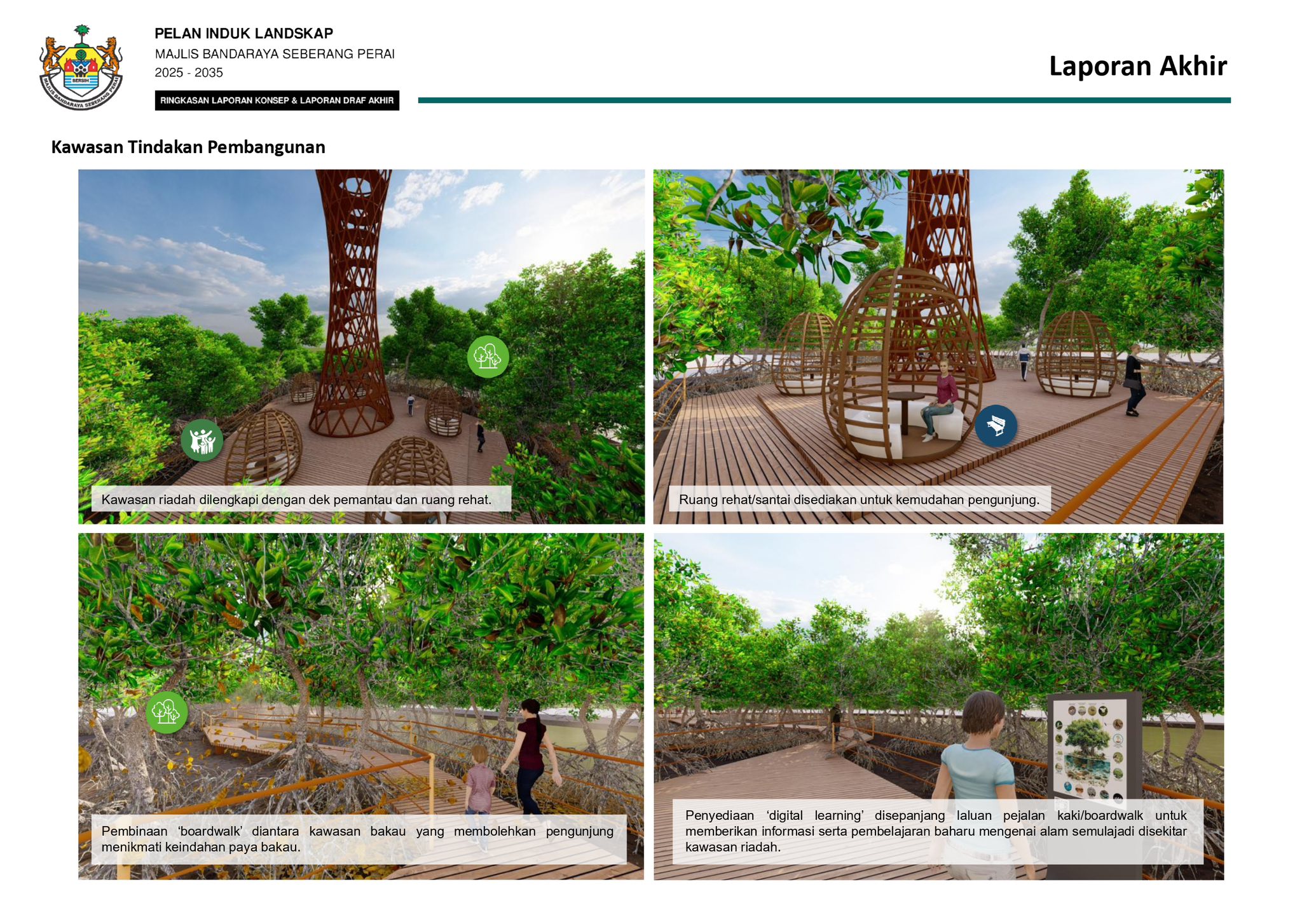
MBSP unveils 10-year Landscape Master Plan to shape a greener Seberang Perai
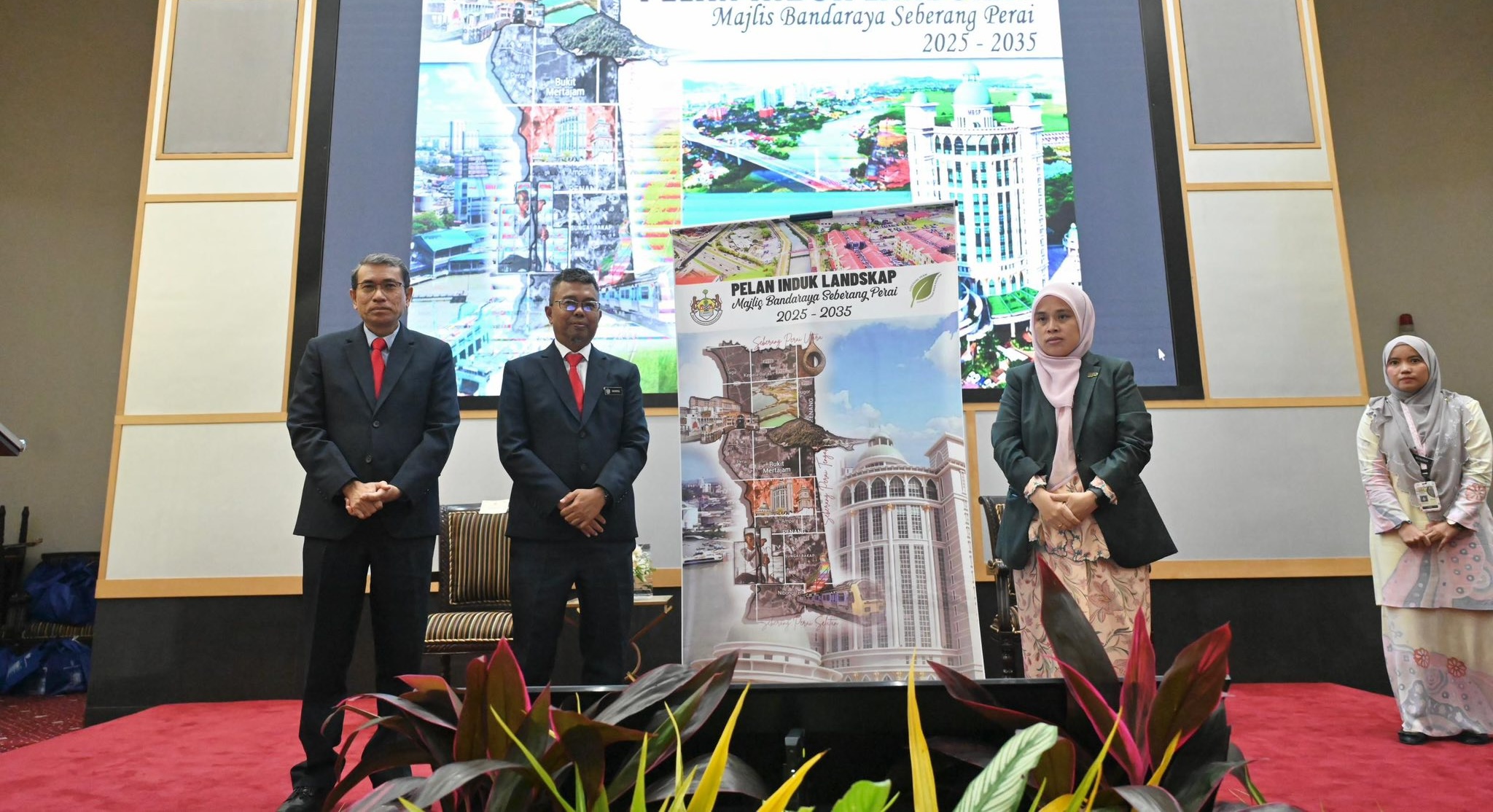
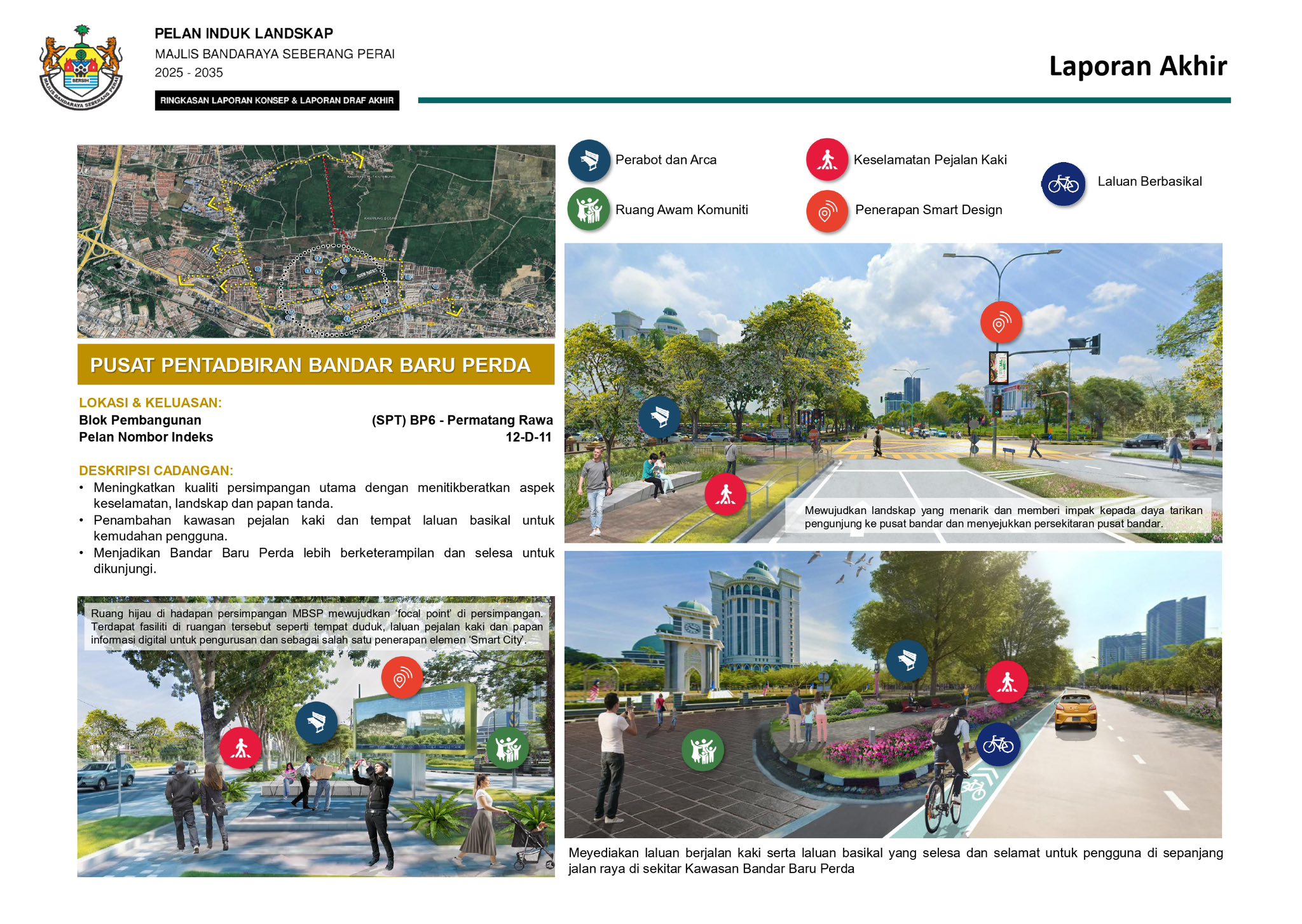
The Seberang Perai City Council (MBSP) has launched its Landscape Master Plan, a long-term blueprint aimed at transforming Seberang Perai into a greener, more resilient and sustainable urban centre.
Unveiled by MBSP mayor Datuk Baderul Amin Abdul Hamid, the plan is designed to guide landscape development over the next 10 years and will be implemented in phases. Its execution will take into account financial capacity, development priorities, and both current and future urban needs, with periodic reviews planned to ensure continued relevance and effectiveness.
Baderul said the master plan goes beyond physical design, reflecting MBSP’s commitment to achieving a balanced urban environment that integrates development, environmental sustainability and residents’ well-being. He noted that it will serve as a key reference for all stakeholders, ensuring landscape elements are incorporated holistically into Seberang Perai’s physical, social and environmental growth.
Aligned with MBSP’s Green Agenda and the United Nations Sustainable Development Goals (SDGs), the plan underscores the council’s focus on addressing climate change, improving quality of life and increasing access to quality green spaces. It was developed in response to modern urban challenges such as environmental degradation, biodiversity loss and the growing demand for healthier and more liveable cities.
Through the implementation of the plan, MBSP aims to create a more comfortable, healthy and liveable urban environment, while enhancing the city’s resilience to climate impacts. It also supports the broader goal of positioning Seberang Perai as a low-carbon, environmentally friendly and sustainable city.
The Landscape Master Plan covers the entire MBSP administrative area, including existing urban centres, new development zones, parks, public green spaces, river corridors, recreational areas, and residential, commercial and industrial zones. This region-based approach ensures continuity in urban design and the creation of an integrated and resilient ecological network across the city.
Baderul emphasised that the plan’s success will depend on strong commitment and strategic collaboration among federal and state agencies, developers, the private sector, non-governmental organisations, professional bodies and local communities.