Beach Street set for RM24.7mil green upgrade
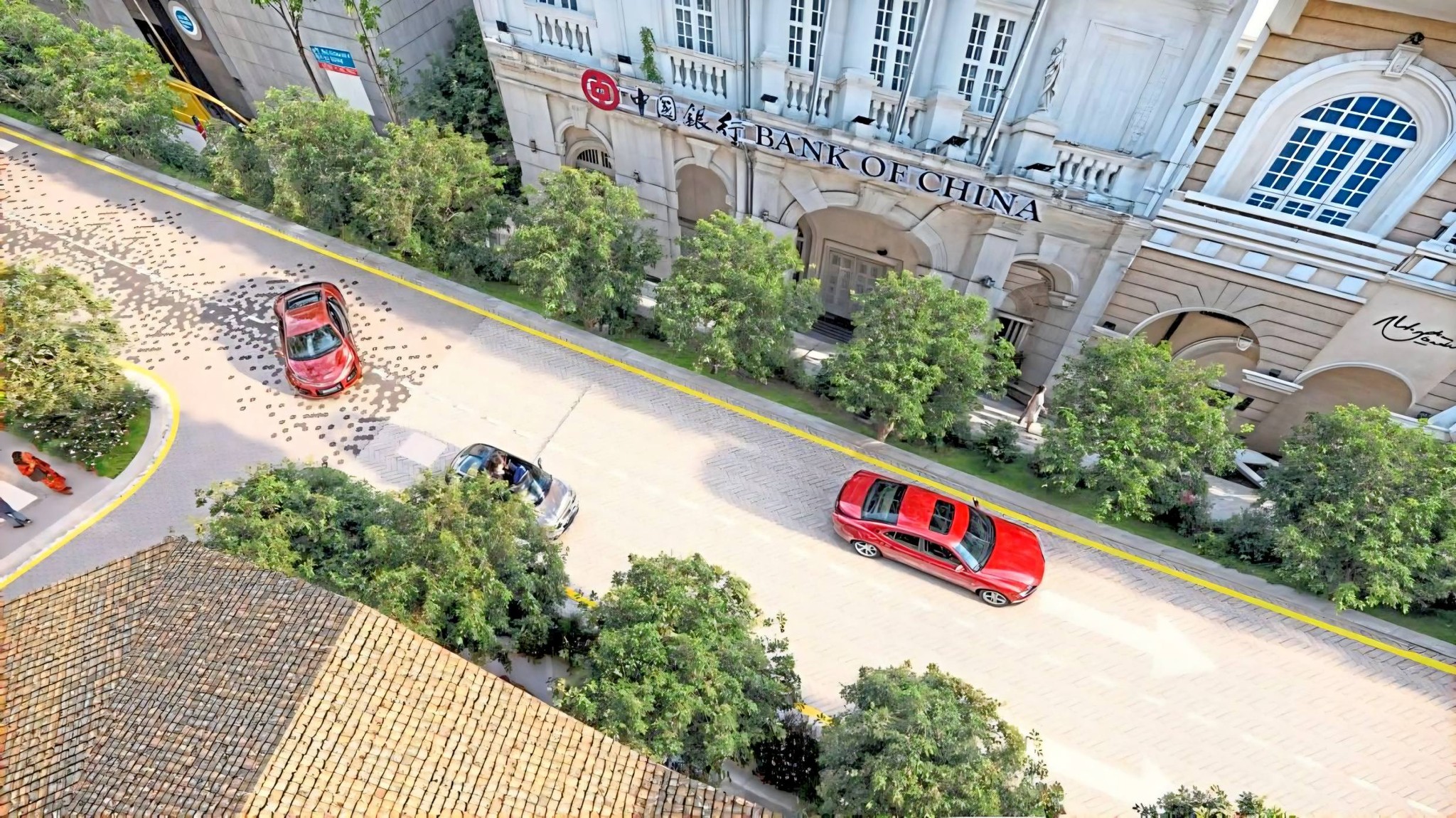
An artist’s impressions of Beach Street after the project is completed
Beach Street in George Town is set to undergo a major transformation, with a climate-adaptive upgrade aimed at enhancing walkability, reducing urban heat and improving the overall streetscape within the heritage core zone. Long regarded as one of the city’s most historic commercial corridors, the area will be reconfigured to better balance modern urban needs with heritage preservation.
The RM24.7 million project is part of the Nature-Based Climate Adaptation Programme (PNBCAP), jointly implemented by the Penang Island City Council with funding support from the World Bank Adaptation Fund. Covering a 1.76km loop that includes Beach Street, Church Street Ghaut and Victoria Street, the project commenced in September last year and is scheduled for completion by December. Progress has reached approximately 30% as of late March, with works carried out in phases to minimise disruption to traffic and business activities.
A key focus of the initiative is to mitigate the urban heat island effect. Plans include the planting of more than 900 trees, alongside the introduction of green corridors, pocket parks and permeable surfaces to improve drainage and reduce surface temperatures. These measures are expected to enhance thermal comfort while contributing to better air quality and flood management within the heritage zone.
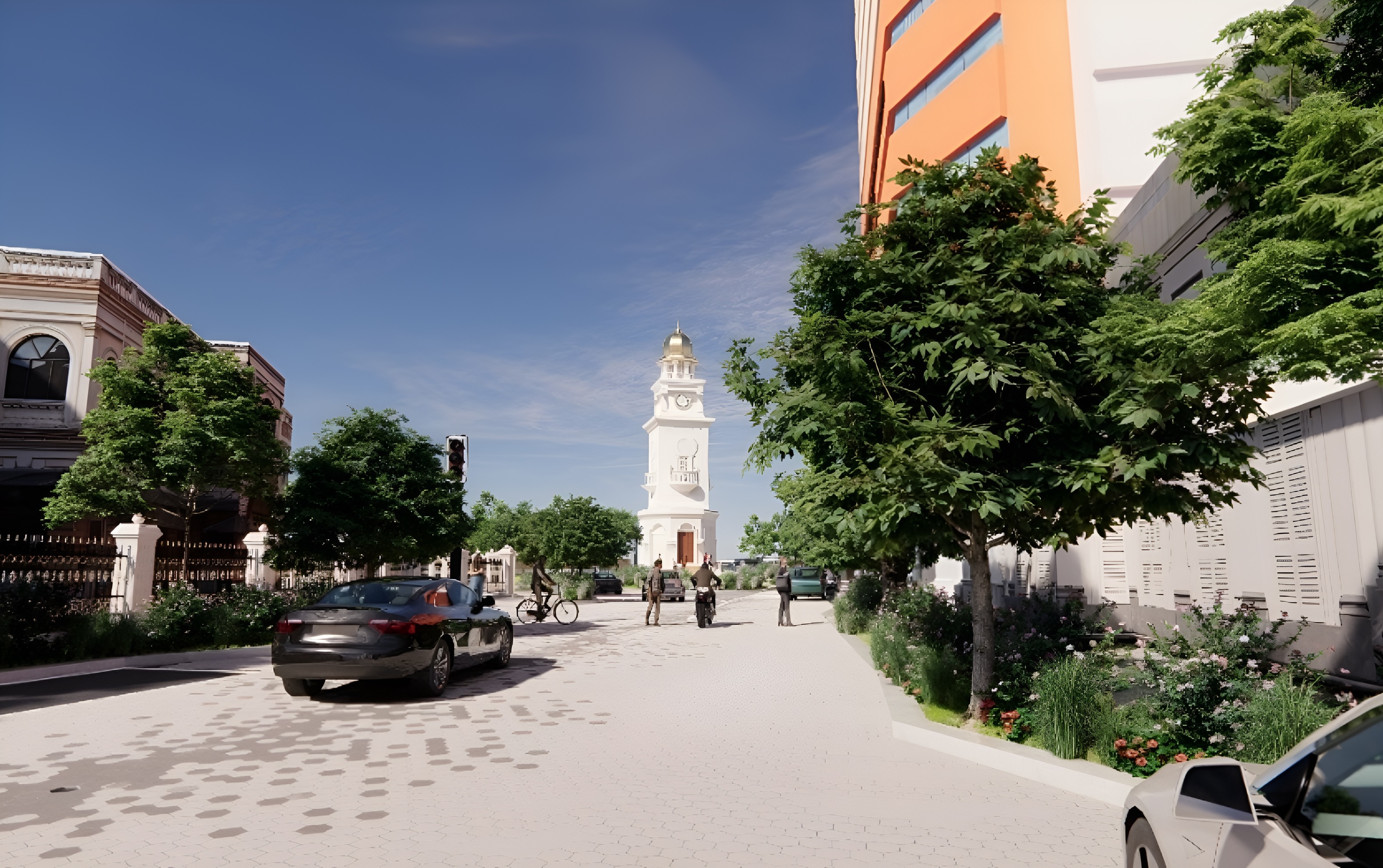
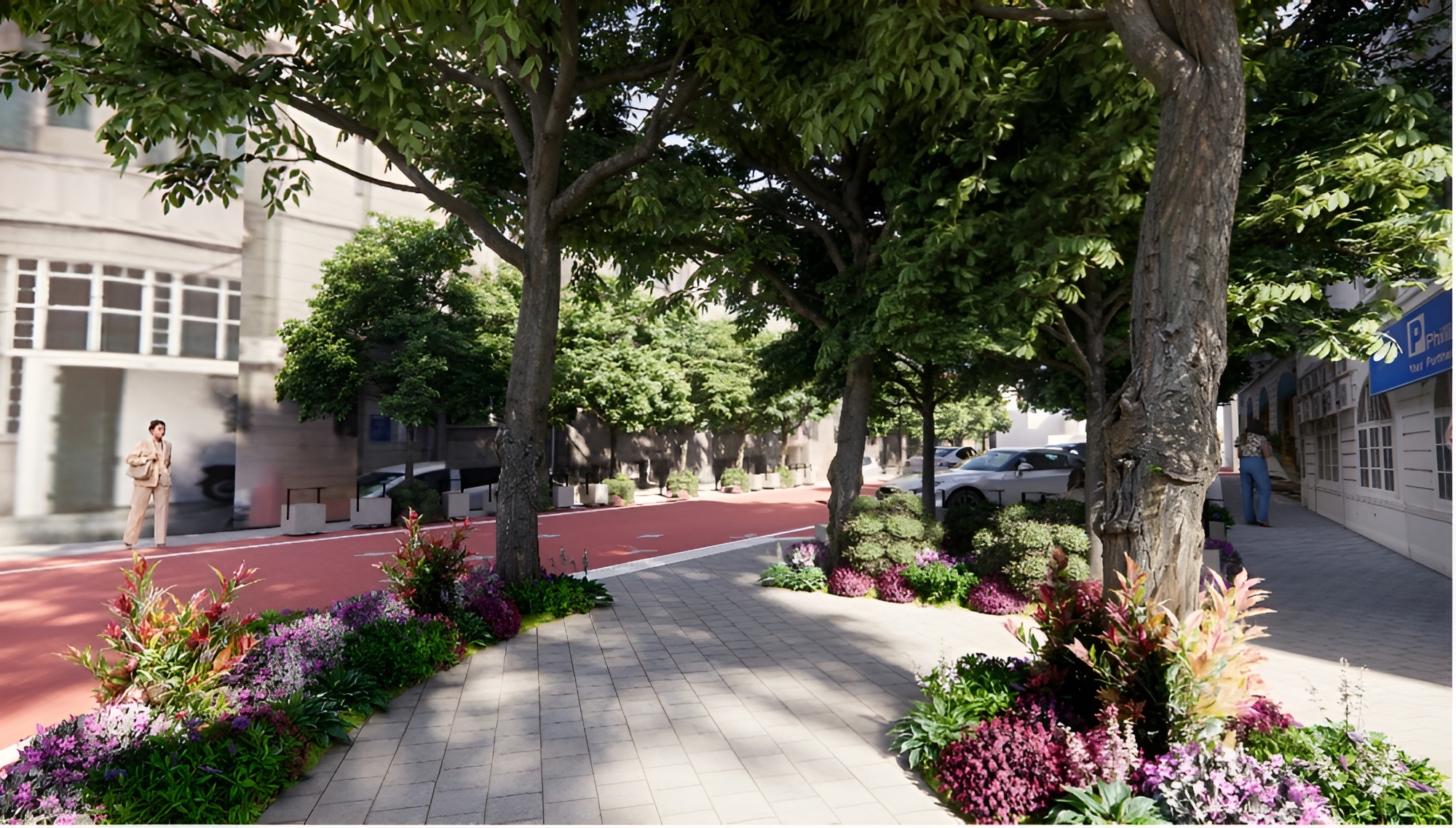
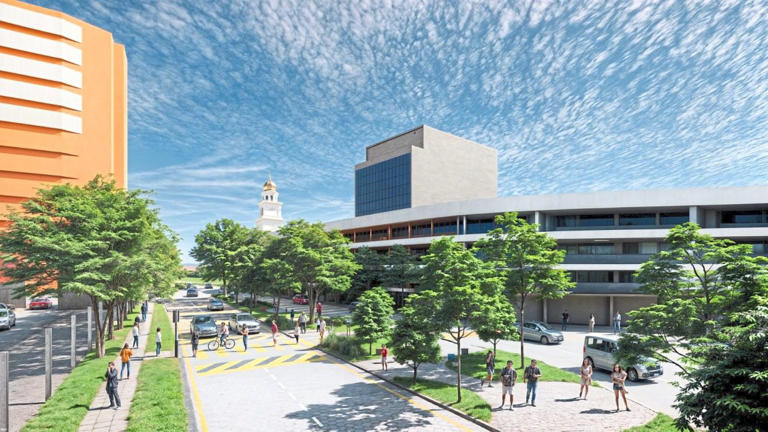
The project also places strong emphasis on pedestrian-friendly infrastructure. Wider walkways, shaded paths and barrier-free features such as ramps, tactile paving and seating areas will be incorporated to improve accessibility for all users. At the same time, roadside parking will be reduced from 293 bays to about 150, with selected spaces converted into landscaped areas.
While initial concerns were raised about potential impacts on the street’s historic character, authorities have indicated that strict safeguards are in place to protect key heritage assets, including the Queen Victoria Memorial Clock Tower. The existing roundabout in front of the landmark will be transformed into a pocket park, in line with conservation guidelines under the George Town UNESCO World Heritage Site Special Area Plan.
In addition to landscaping improvements, sustainability features such as solar-powered street lighting and environmental sensors will be introduced to monitor temperature, humidity and air quality. These measures will allow for post-completion evaluation of the project’s effectiveness and inform future climate-adaptive initiatives.
From a broader perspective, the upgrade is expected to support local businesses by improving accessibility, enhancing the streetscape and encouraging greater pedestrian activity. As the project progresses, it is also seen as a potential model for similar urban interventions across Penang, reinforcing efforts to create a more resilient, liveable and environmentally responsive city.
(Image: The Star)