Batu Ferringhi homestay fire renews push for short-term rental regulations
A recent fire at a homestay in Batu Ferringhi that left eight guests injured has reignited concerns over the safety and regulation of short-term rentals (STR) in Penang, prompting industry players to urge the government to expedite clearer rules for the sector.
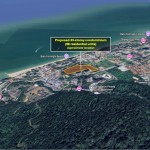
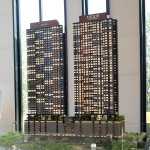
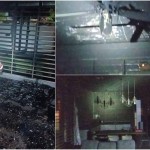
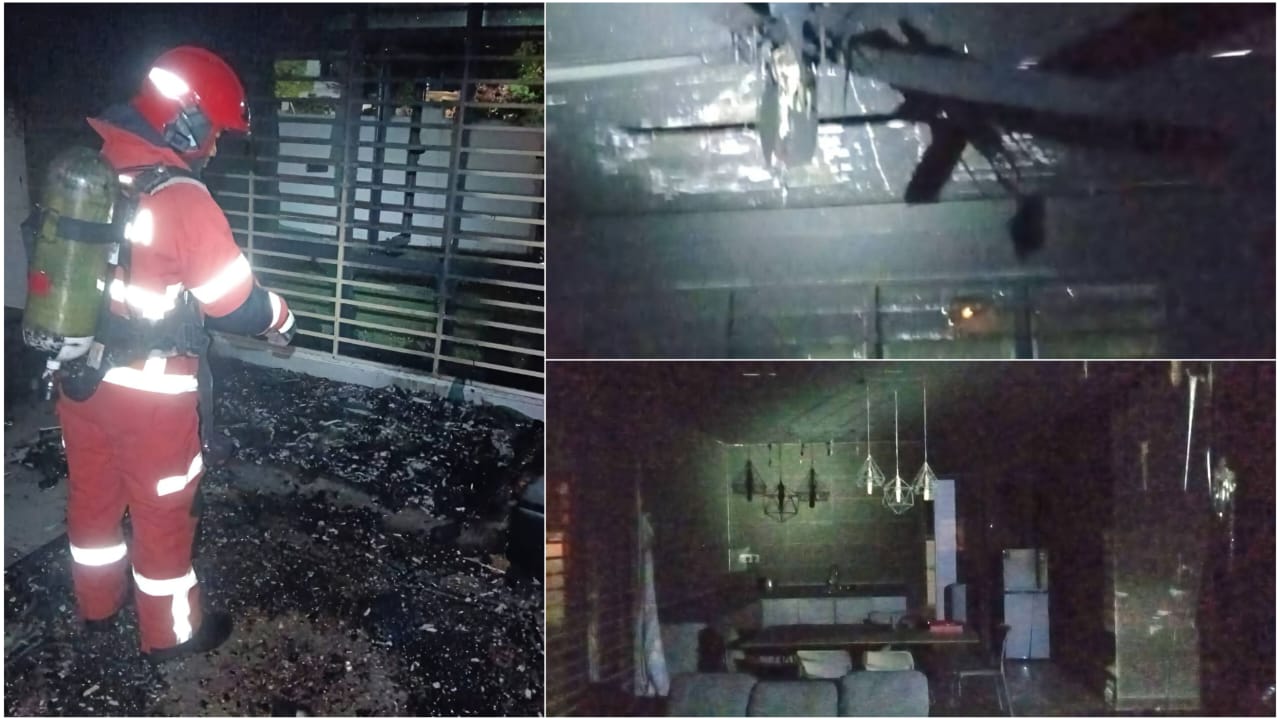
The early morning incident occurred on March 1 at a three-storey homestay unit in Pearl Residence, Solok Sungai Emas. According to the Penang Fire and Rescue Department, an emergency call was received at 4.46am, prompting a response team from the Bagan Jermal Fire and Rescue Station.
Assistant director (Operations) John Sagun Francis said all eight women staying at the premises managed to escape before firefighters arrived. However, a 31-year-old woman suffered a broken right leg while seven others experienced smoke inhalation and breathing difficulties while fleeing the building.
The fire involved the ground-floor living room, covering approximately 140 square metres. Firefighters managed to bring the blaze under control by 5.20am and fully extinguished it 15 minutes later. The operation concluded at 6.26am.
All victims received initial treatment at the scene before being transported to Penang General Hospital for further examination.
While the fire did not result in fatalities, the incident has sparked renewed discussion about the safety standards of short-term rental accommodations, which have grown rapidly across Penang in recent years.
On March 4, the Malaysia Budget Hotel Association Penang Chapter (MYBHA Penang) called on authorities to fast-track regulations governing the STR sector.
Its chairman, Andy Lau Eng Leong, said the incident serves as a stark reminder of the risks posed by unregulated accommodations.
“This tragic fire is a grave reminder that guest safety cannot be guaranteed in unregulated short-term rentals. Immediate regulation is needed to ensure that proper fire safety standards, certifications, and inspections are in place for all STR accommodations,” he said.
Lau clarified that the association is not against short-term rentals themselves, acknowledging that the segment has become an integral part of the tourism ecosystem. However, he stressed that the sector should operate under a proper regulatory framework to safeguard guests and ensure fair competition.
Beyond safety concerns, Lau highlighted the economic implications of unregulated STR operations.
Without proper registration and licensing, governments risk losing potential revenue from tourism taxes, licensing fees, and other levies. At the same time, hotels and licensed budget accommodations that comply with strict safety, health and regulatory requirements face uneven competition from operators who bypass these obligations.
The debate over short-term rentals is not new in Penang. With the state being one of Malaysia’s most popular tourist destinations, STR units—particularly those operating in residential high-rise developments—have proliferated over the past decade.
While many property owners view STR platforms as an attractive way to generate rental income, concerns have frequently been raised by residents and property managers over security, building management, and neighbourhood disruptions.
The recent Batu Ferringhi incident may intensify calls for clearer and more enforceable policies governing STR operations, particularly in strata properties.
Industry observers note that establishing consistent safety standards, registration requirements and enforcement mechanisms could help balance the interests of tourism operators, property owners, residents and visitors.