
Property market poised for market-driven upswing in 2026
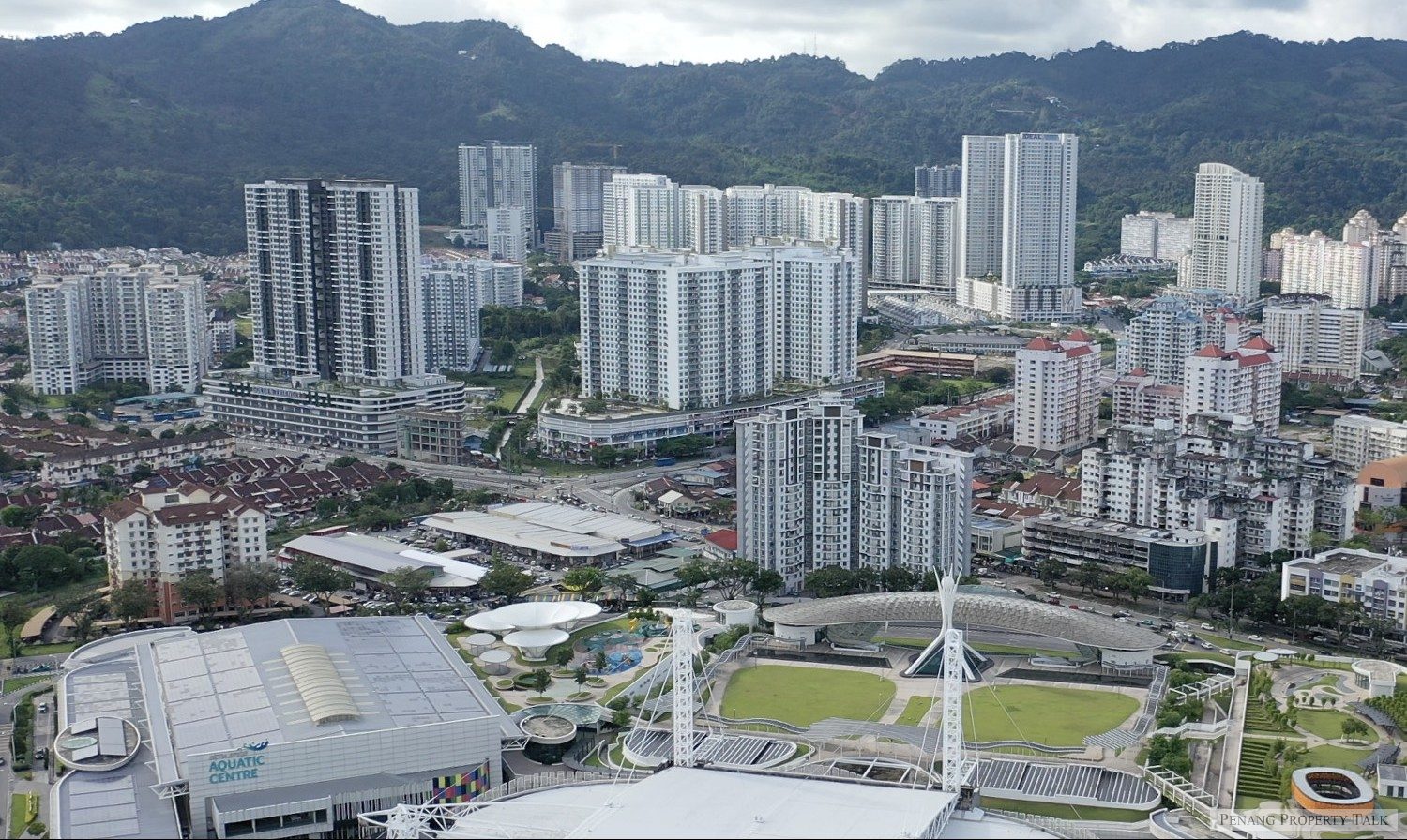
Malaysia’s property sector is expected to enter a stronger, more market-driven growth phase in 2026, supported by improving economic fundamentals, resilient domestic demand and timely infrastructure delivery. According to a report in Business Times, industry players see a noticeable “step-up” in activity next year, even as concerns over supply overhang persist in certain segments.
Datuk Paul Khong, group managing director of Savills Malaysia Group, said the market will continue to reward assets that are aligned with future needs, particularly those offering long-term value, functional design and adaptability. While residential and high-rise property overhang rose in the third quarter of 2025, he noted that the increase largely reflects aggressive launches over the past three years following a delayed recovery since 2022.
Savills Malaysia is not overly concerned about the recent uptick, as it coincides with sustained labour market expansion and income growth. The first interest rate cut in five years by Bank Negara Malaysia in July 2025, which lowered the policy rate by 25 basis points to 2.75 per cent, is also expected to lift market sentiment. This is further supported by government measures to ease cost-of-living pressures.
Malaysia’s employment market remains a key pillar of demand. Labour participation reached a record 70.9 per cent in September 2025, while unemployment fell to a 10-year low of three per cent, underscoring resilient domestic consumption. Khong said favourable demographics and political stability continue to provide a solid foundation for real estate growth, alongside strong investment activity.
From a macro perspective, economists are cautiously optimistic. Quah He Wei of AllianceDBS Research Sdn Bhd expects a gradual recovery to continue, citing healthy supply-demand dynamics, lower interest rates and steady labour force growth. Despite affordability challenges, Malaysia’s property sector recorded quarter-on-quarter growth of 10 per cent in the third quarter of 2025, supported by stronger-than-expected GDP growth of 5.2 per cent year-on-year. Commercial and industrial properties were standout performers as approved investments from previous years moved into the implementation phase.
Policy support is also expected to underpin demand in 2026. Measures announced in Budget 2026 include a doubling of financing guarantees for first-time homebuyers to RM20 billion, extended stamp duty exemptions for homes below RM500,000, and higher cash assistance under social support programmes. Together with a seven per cent salary increase for civil servants, these initiatives are expected to help sustain housing demand.
Infrastructure delivery will be another major catalyst. Key projects scheduled for completion or commencement in 2026 include the LRT Shah Alam Line, the Johor Bahru–Singapore RTS Link, the East Coast Rail Link connection to Gombak, and the Penang LRT Mutiara Line. These projects are expected to reinforce urban development and improve connectivity across major growth corridors.
On the industrial front, logistics and data centres are powering expansion, driven by rapid artificial intelligence adoption and rising digital infrastructure needs. Johor, Klang Valley and Penang continue to attract strong interest, with Johor emerging as a regional data centre hub. Managed industrial parks and premium sites with robust power and water infrastructure are expected to see firm demand and higher capital values.
Meanwhile, Kuala Lumpur’s Grade A office market remains resilient, favouring quality buildings with strong sustainability credentials and transit connectivity. Retail is evolving towards community-centric and experiential formats, while hospitality players are pivoting towards sustainability ahead of Visit Malaysia Year 2026, supported by new ESG initiatives led by the Malaysian Association of Hotels.
Join our Telegram Channel now to receive instant update on Penang latest projects and property news