Penang considers a third bridge Instead of an undersea tunnel
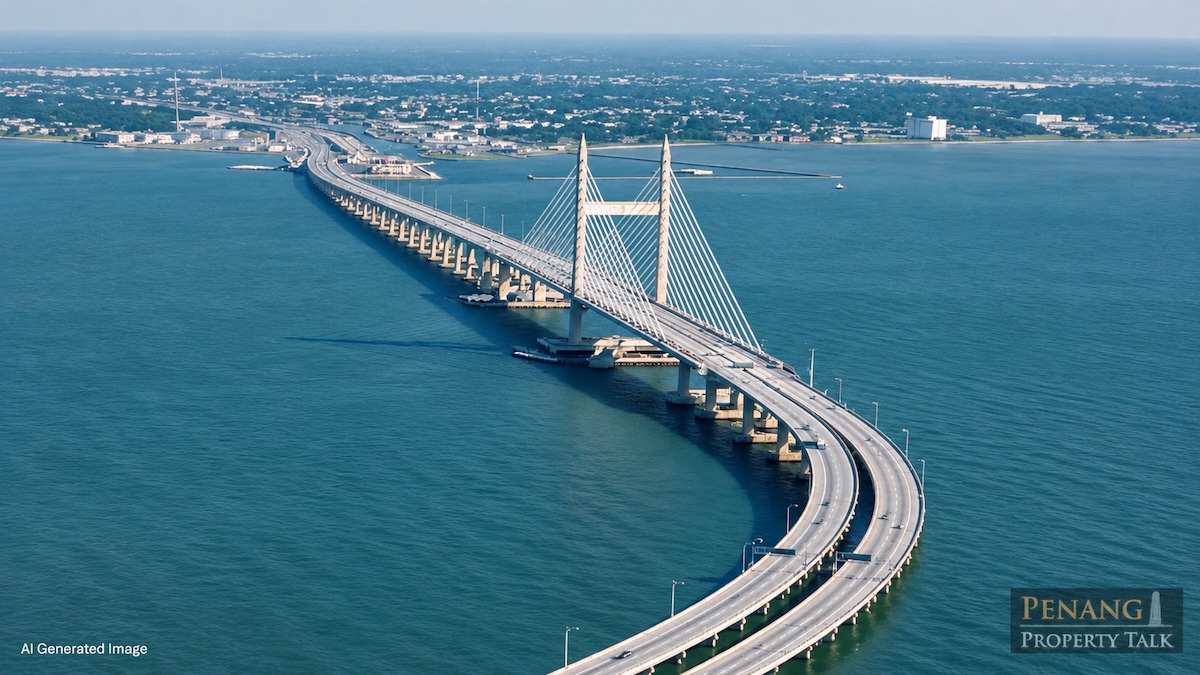
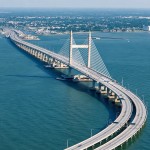
The Penang government is reviewing the feasibility of the proposed Penang Third Link, with a bridge design now being considered as an alternative to the previously proposed undersea tunnel.
Penang Infrastructure, Transport and Digital Committee chairman Zairil Khir Johari said the state government had approved a realignment study based on a bridge concept, following the findings of an earlier feasibility study.
The proposed realignment would shift the route northwards to accommodate the planned expansion of Penang Port, while avoiding interference with port operations and vessel navigation routes. It is also intended to help ease traffic congestion around Gurney Bay and its surrounding areas.
Zairil said a conceptual design study is currently underway, with its findings to be presented to the Penang Port Commission (PPC) for feedback and further consideration. The assessment will examine various aspects, including technical feasibility, financial implications, traffic needs, maritime safety and the project’s long-term economic benefits.
He added that the proposed Third Link would serve a different purpose from the Penang Light Rail Transit (LRT) bridge connecting Penang Island to Penang Sentral. While the LRT bridge would provide a direct rail connection between the island and mainland, it would be exclusively for train services and would not accommodate road vehicles.
The state government has also requested that the proposed Third Link bridge include pedestrian walkways and dedicated cycling lanes, which will be considered during the design stage once the project contract is awarded. The contract is expected to be awarded in the coming months.
Zairil stressed that the LRT bridge alone would not be sufficient to address the growing traffic congestion on Penang’s existing First Bridge.
He said an additional road connection remained necessary, particularly to cater to increasing traffic demand in North Seberang Perai, where rapid development is expected to put further pressure on existing road infrastructure.