


Sungai Nibong Tapak Pesta set for major transformation under ITOD master plan
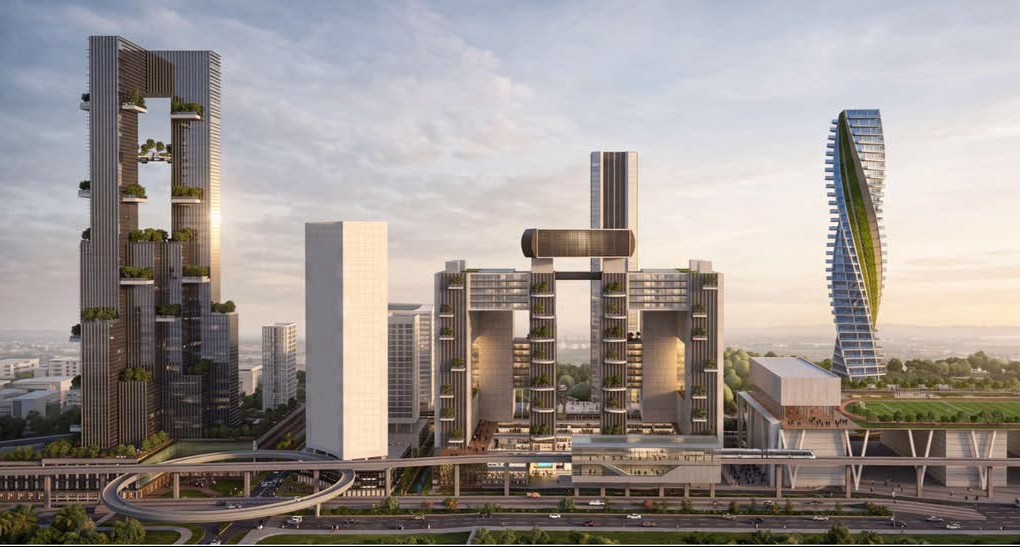
The Penang government has unveiled the draft master plan for the proposed Inclusive Transit-Oriented Development (ITOD) at the Sungai Nibong Tapak Pesta site, marking a significant step towards creating what is envisioned as Malaysia’s first inclusive transit-oriented community.
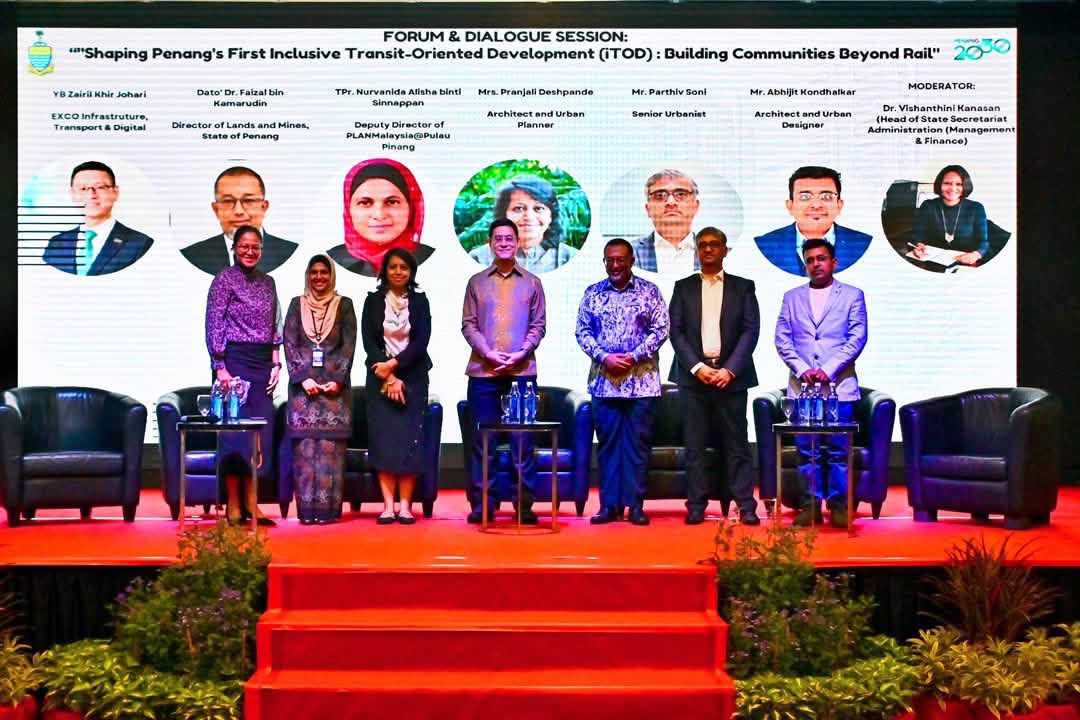
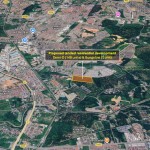
Presented during the Sungai Nibong Tapak Pesta Transit-Oriented Development (TOD) Draft Master Plan Stakeholder Engagement Workshop, the proposal outlines a mixed-use development spanning approximately 58 acres of state-owned land, excluding land under Penang Island City Council (MBPP). The development is planned around the future Penang LRT station and depot, integrating residential, commercial, healthcare, hospitality and public facilities within a walkable urban environment.
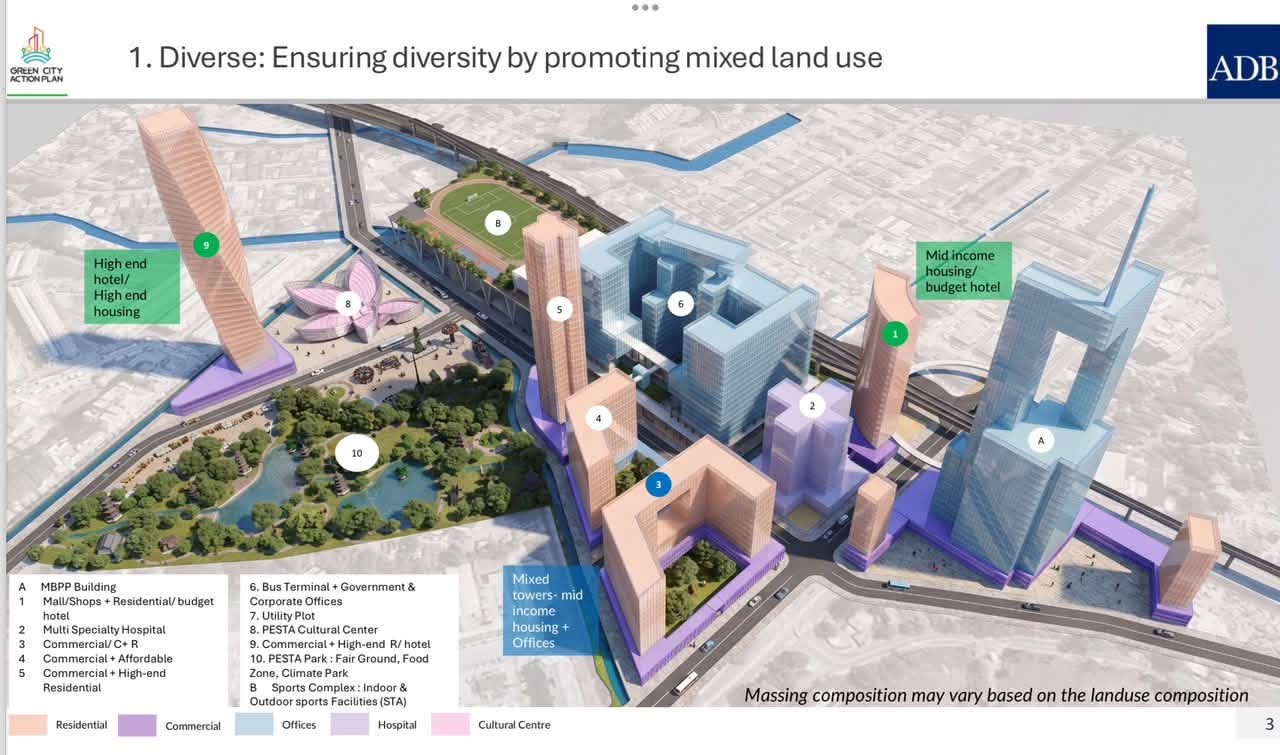
According to the draft master plan, the proposed development will feature affordable housing, mid-range and premium residential units, commercial spaces, hotels, a hospital, an integrated bus terminal, cultural and recreational facilities, as well as extensive green spaces. The project also aims to prioritise pedestrians and cyclists through improved walkways, cycling routes, covered sidewalks, elevated pedestrian links and underground connections.
Chief Minister Chow Kon Yeow said the workshop was not merely about introducing a master plan, but also reflected the state’s commitment to engaging stakeholders before embarking on major development initiatives.
He noted that long-term planning was essential to provide confidence for both investors and the public, adding that the master plan was intended to serve future generations rather than a single government administration.
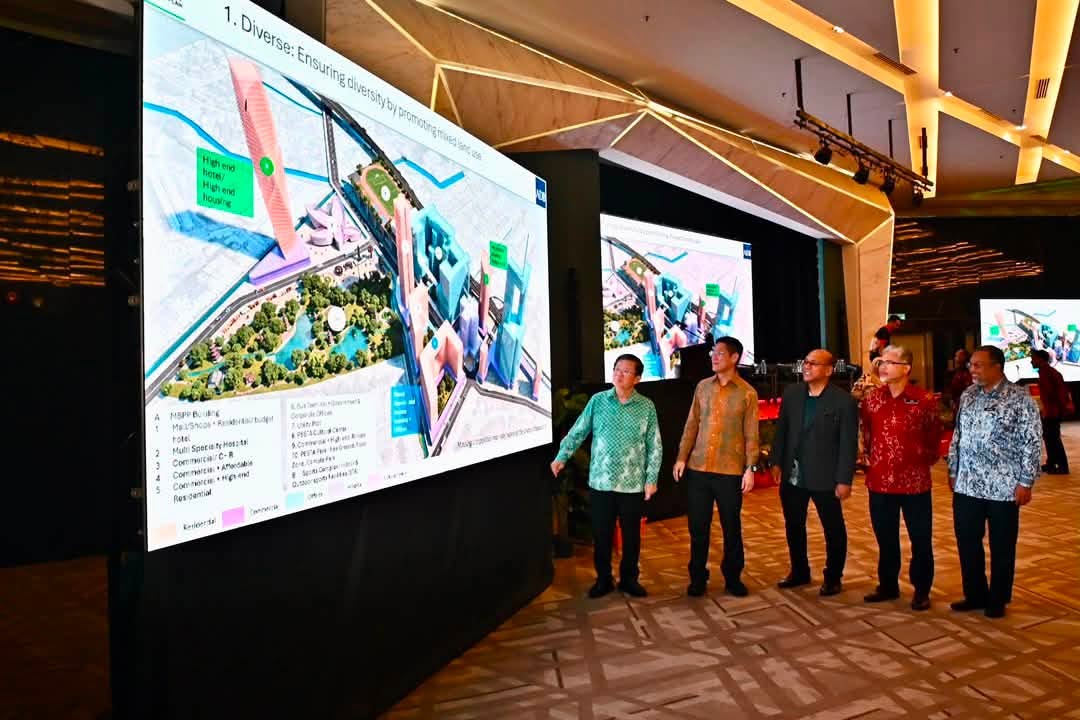
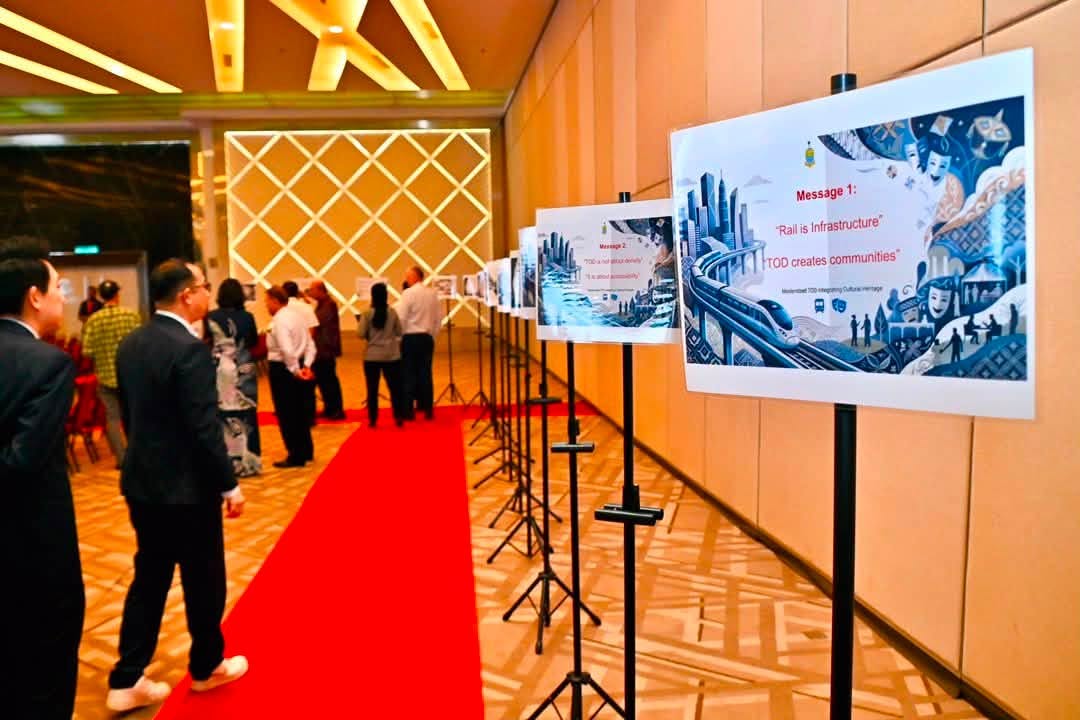
Following the current stakeholder consultation process, the state government expects to finalise the master plan by October 2026, after which attention will shift towards implementation strategies, including project management, phased development and potential public-private partnership financing models.
Chow estimated that the overall development could take 10 to 15 years to complete.
The proposal will also transform the existing Tapak Pesta grounds. While the annual fair will no longer occupy its current scale due to the introduction of the LRT station, integrated transport hub and public park, around five acres have been reserved for a new cultural and arts precinct featuring performance venues, exhibition spaces and recreational facilities. Instead of hosting activities only during the year-end fair, the area is envisioned as a year-round community destination.
The state government is also exploring alternative locations for the annual fair, with one potential site being in Seberang Perai Utara. A final decision is expected within the next few weeks.
State Infrastructure, Transport and Digital Committee chairman Zairil Khir Johari said the project goes beyond conventional TOD planning by focusing on inclusivity rather than simply maximising land value. Developed with support from the Asian Development Bank (ADB) under the Green Cities Action Plan, the proposal seeks to create a people-centred community that caters to residents of all ages through a balanced mix of housing, public transport, public amenities, cultural spaces and green infrastructure.
Join our Telegram Channel now to receive instant update on Penang latest projects and property news
















aiyooo, dont get excited with the first rendering la, always the first render never materialize