
Penang emerges as Malaysia’s MedTech manufacturing powerhouse
Penang’s medical technology (MedTech) industry has evolved from a niche sector into an increasingly important pillar of the state’s high-value manufacturing ecosystem, driven by its strong electrical and electronics (E&E) heritage and advanced manufacturing capabilities.
Penang Chief Minister Chow Kon Yeow said the state’s more than 50 years of experience in E&E and semiconductor manufacturing has created a strong foundation for the production of high-precision medical devices, surgical instruments and implants.
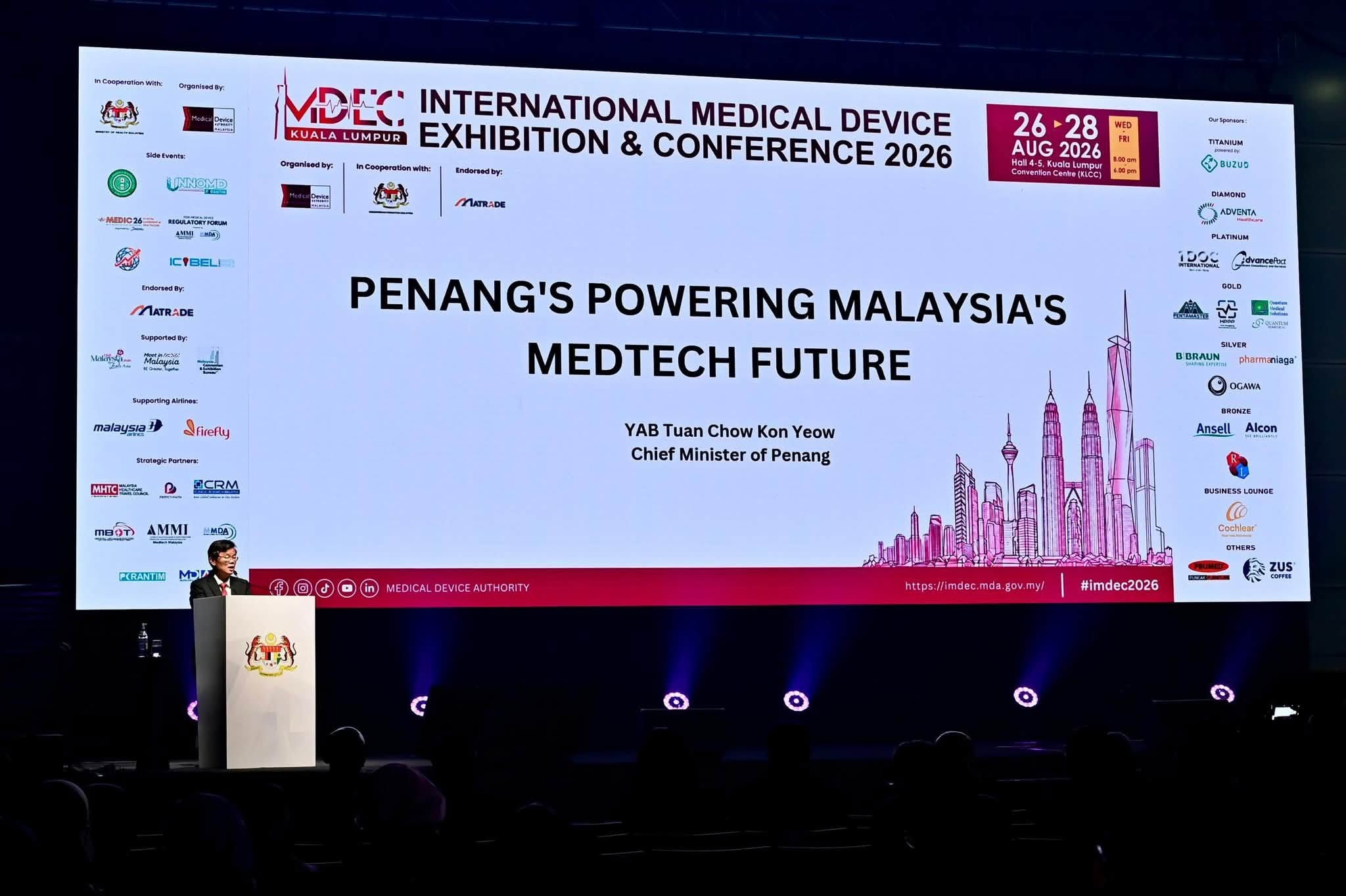
“Penang did not build its MedTech ecosystem from scratch. It built on the industrial capabilities it had already developed and continued moving them into higher-value applications,” he said in his keynote address at the International Medical Device Exhibition and Conference (IMDEC) 2026 in Kuala Lumpur.
According to Chow, Penang’s established supplier ecosystem and highly skilled workforce in precision engineering and advanced manufacturing have further strengthened its position in the MedTech sector.
The state has attracted several major global medical technology companies. Malaysia is home to 12 of the world’s top 30 MedTech companies, with seven operating major facilities in Penang: Abbott, Boston Scientific, B. Braun, Smith+Nephew, STERIS, Dexcom and Intuitive.
Penang’s MedTech journey dates back to 1972, when B. Braun established its first manufacturing facility in the Asia-Pacific region in the state. The facility has since grown into one of the company’s largest manufacturing sites outside Europe.
Beyond multinational corporations, Penang is also developing a growing base of local MedTech companies. More than 20 homegrown companies currently produce MDA-registered medical devices, ranging from orthopaedic implants and surgical instruments to wound care, dental, urology and infection-control products.
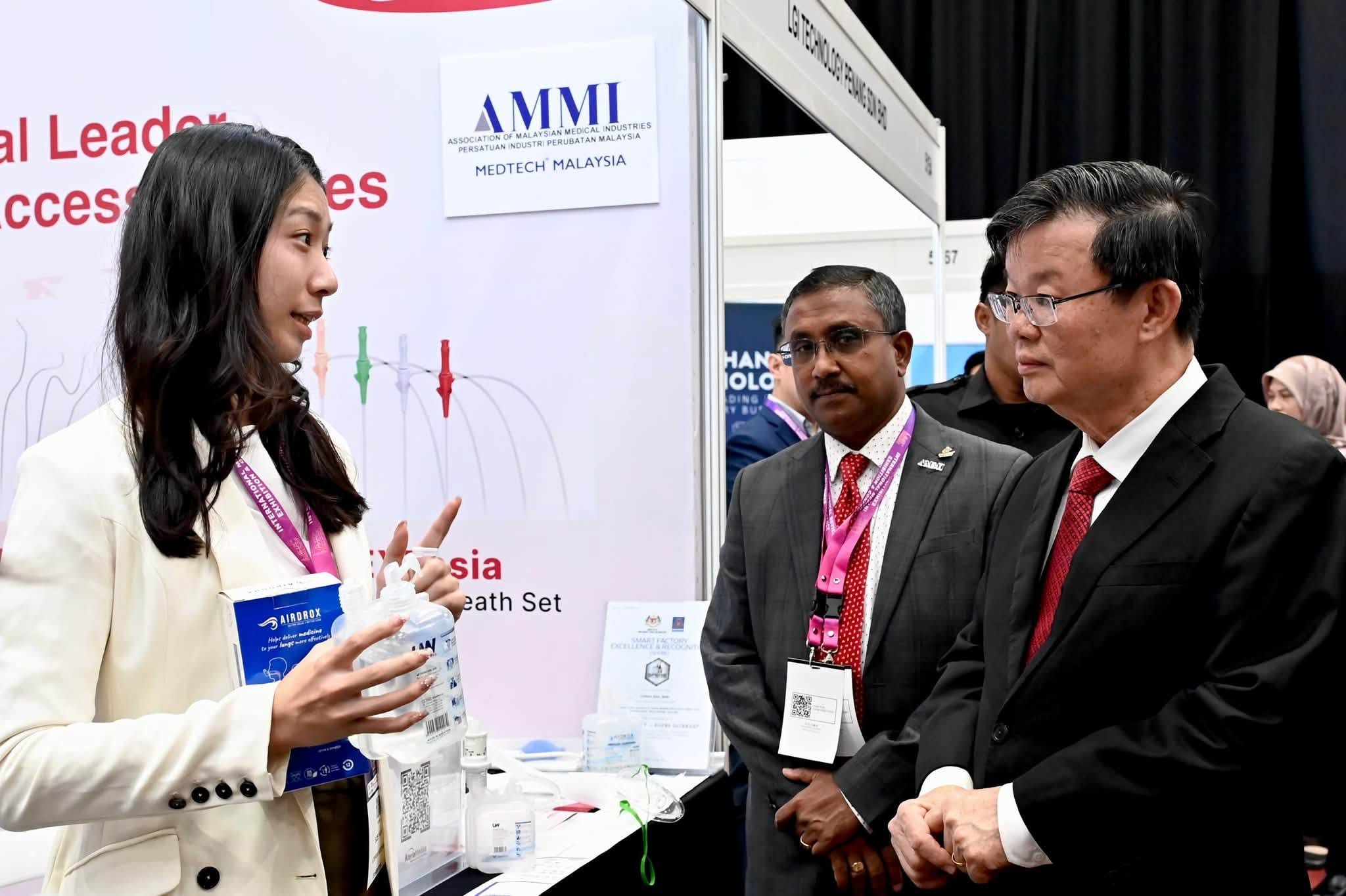
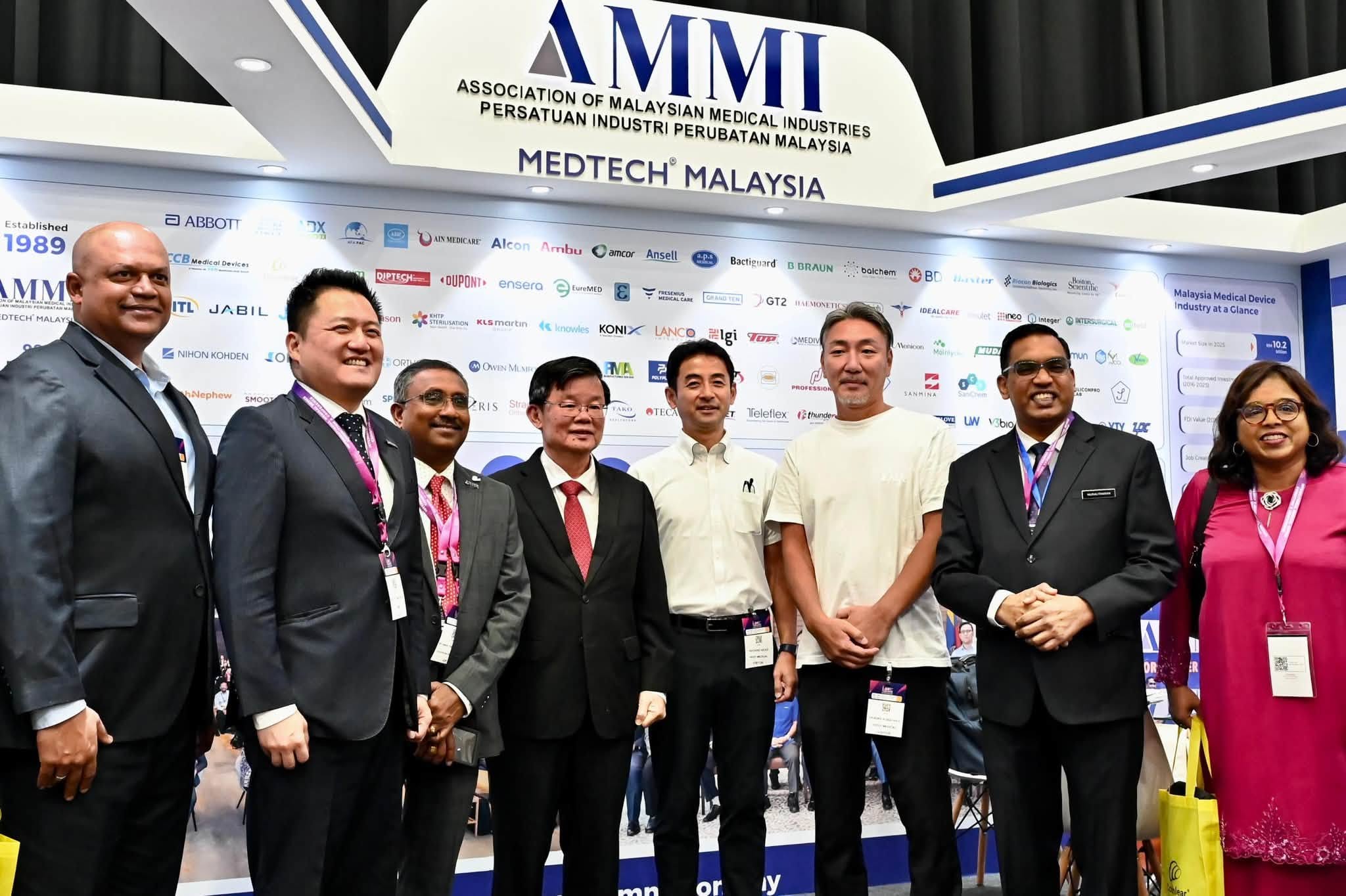
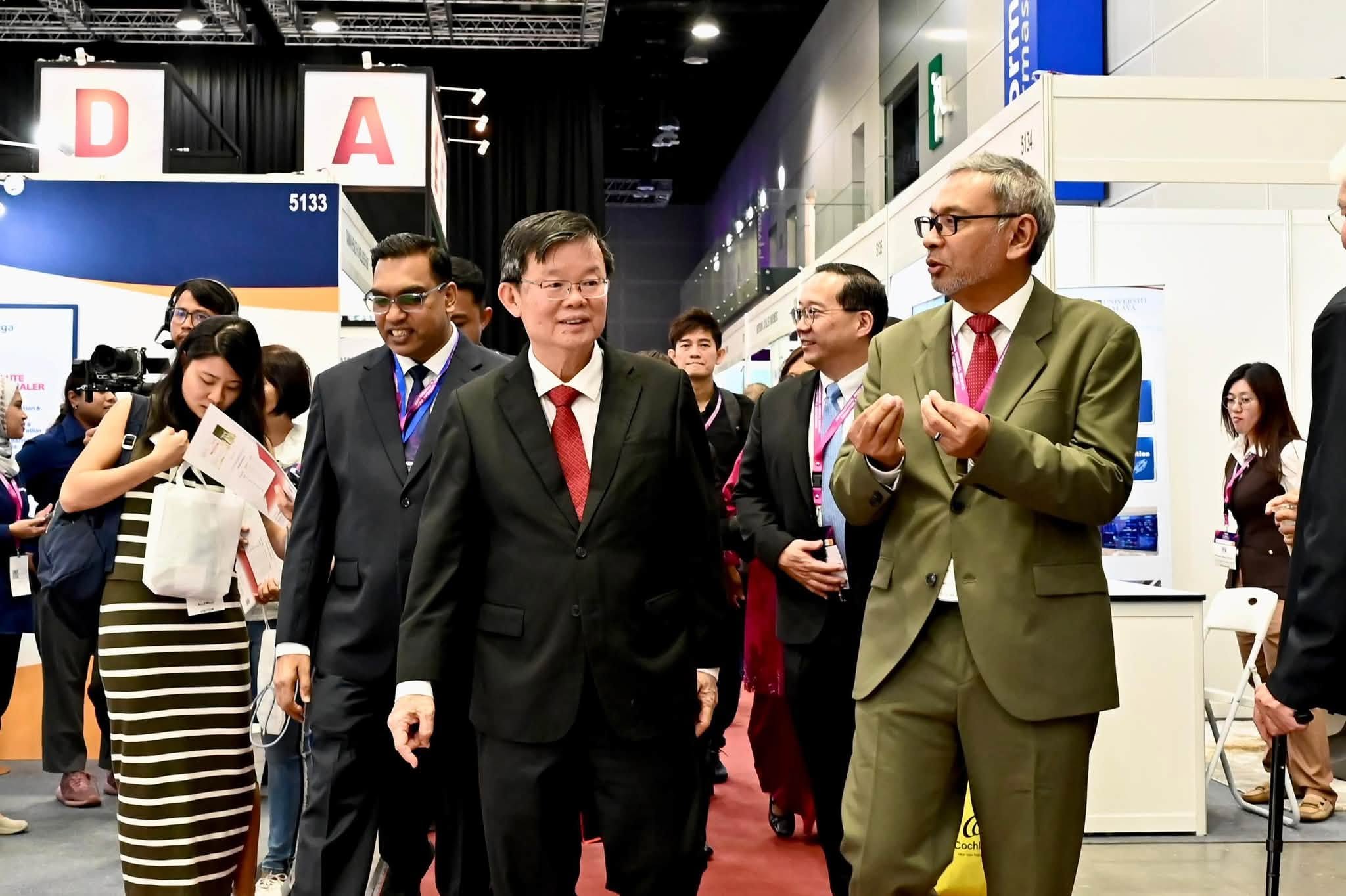
Chow said cross-industry collaboration would be important for the next stage of growth. The newly launched Penang Automation, Test and Equipment (ATE) Campus, spearheaded by InvestPenang, could provide opportunities for MedTech companies to work with local firms on technology development, supplier localisation and supply chain strengthening.
The sector is also making a significant contribution to Penang’s investment performance. From 2021 to the first quarter of 2026, the state secured RM2.3 billion in approved manufacturing investments in scientific and measuring equipment, including MedTech, involving 40 projects and nearly 4,500 jobs.
Chow said Penang recorded RM238 billion in exports of optical, measuring, precision, medical and surgical instruments from 2021 to the first half of 2026, accounting for an average of 64% of Malaysia’s exports in the category.
With a combination of global industry leaders, local manufacturers, engineering expertise and an established supply chain, Chow said Penang is well positioned to strengthen its role as a leading offshore medical device manufacturing hub alongside established centres such as Puerto Rico, Ireland and Costa Rica.
He also invited global investors and MedTech companies to participate in Penang’s next phase of growth, saying the state is ready to support the development and manufacturing of the future of global healthcare.
Join our Telegram Channel now to receive instant update on Penang latest projects and property news