


1926 Heritage Hotel Penang reopens after RM20 million restoration
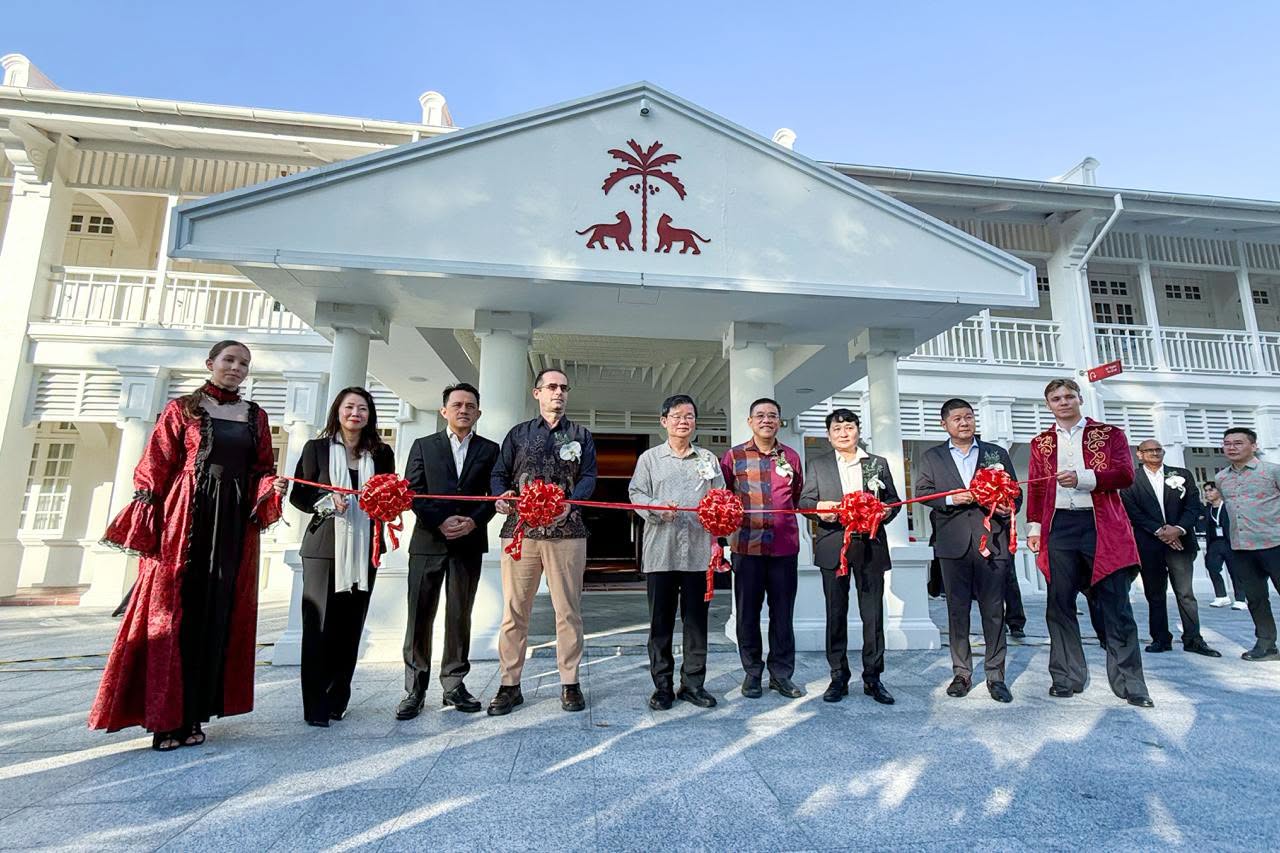
The century-old 1926 Heritage Hotel Penang has officially reopened following a RM20 million restoration, marking a new chapter for one of Penang’s historic landmarks.
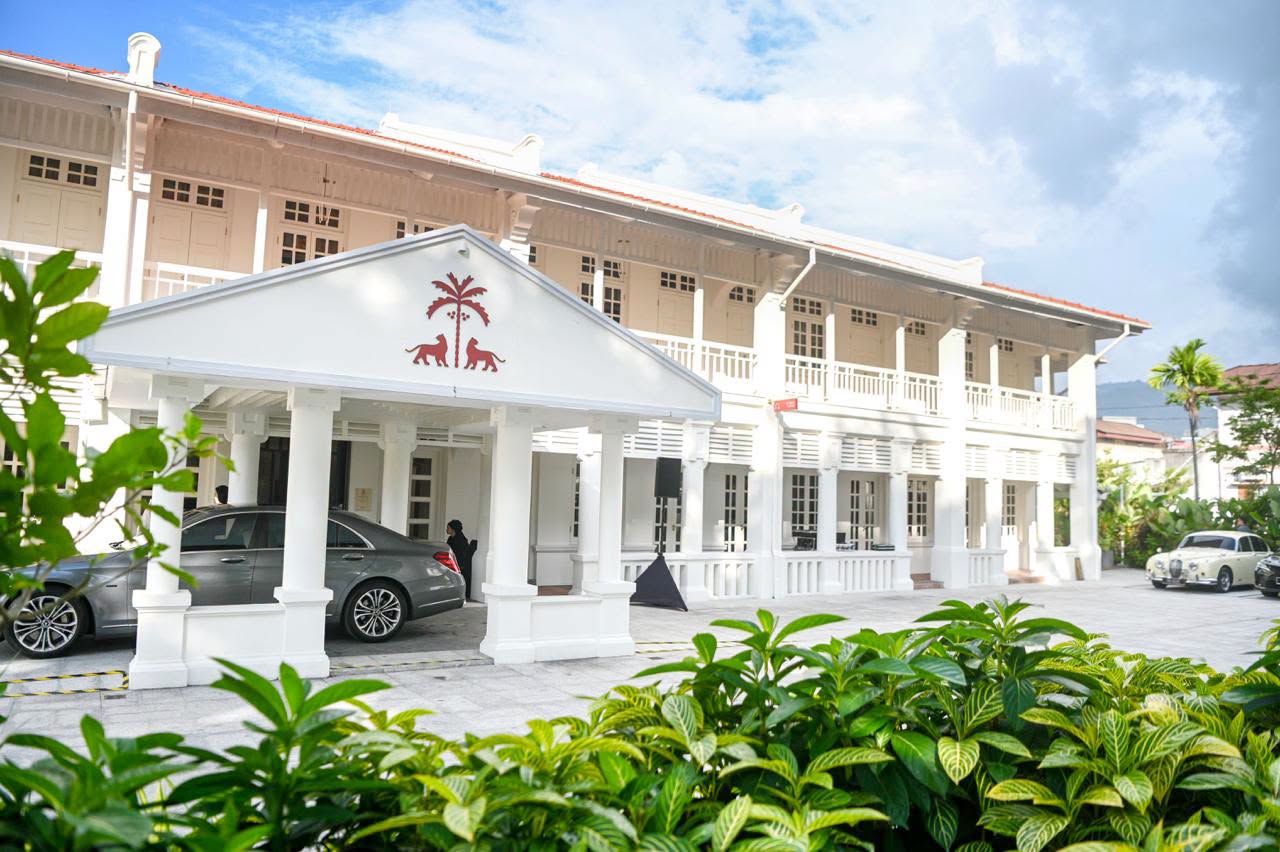
Located along Jalan Burma, the boutique hotel has been transformed under The Unlimited Collection by The Ascott Limited, combining heritage conservation with modern hospitality while preserving its distinctive Anglo-Malay architectural character.
Originally built in 1926 as residences for British officials, the property now offers 78 rooms and suites spread across 24 interconnected heritage link houses. The restoration carefully retained the building’s historic charm while introducing contemporary facilities to create an urban resort experience.
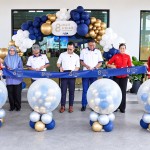
Chief Minister Chow Kon Yeow, who officiated the launch, said the successful restoration demonstrates how heritage buildings can be given a new lease of life while contributing to Penang’s tourism industry. He also welcomed the collaboration with The Ascott Limited, saying the partnership would provide the hotel with greater international exposure while preserving its unique heritage identity.
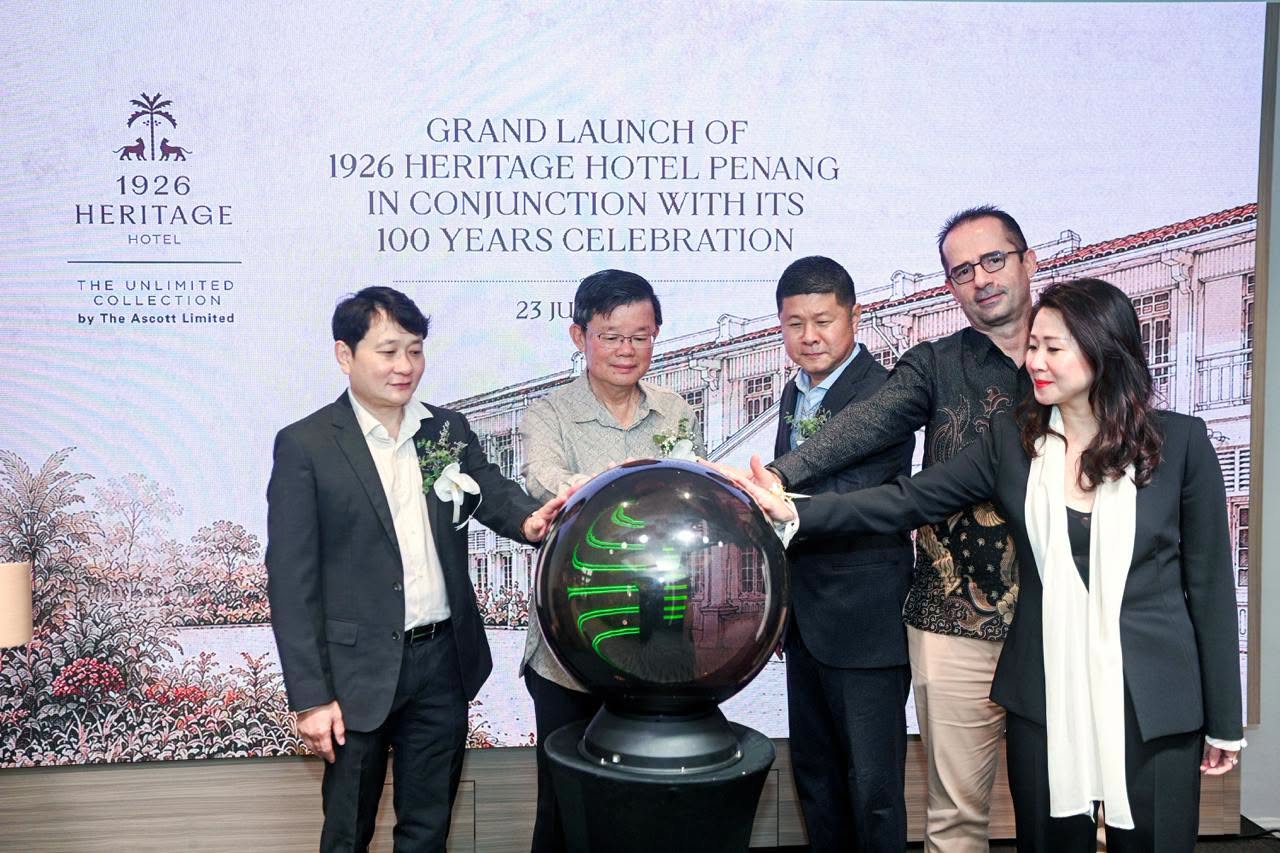
The hotel is owned by the Penang Development Corporation (PDC) and was redeveloped through an open tender exercise before being entrusted to The Ascott Limited for management. Chow described the project as a successful example of how private sector participation can play a vital role in conserving heritage assets.
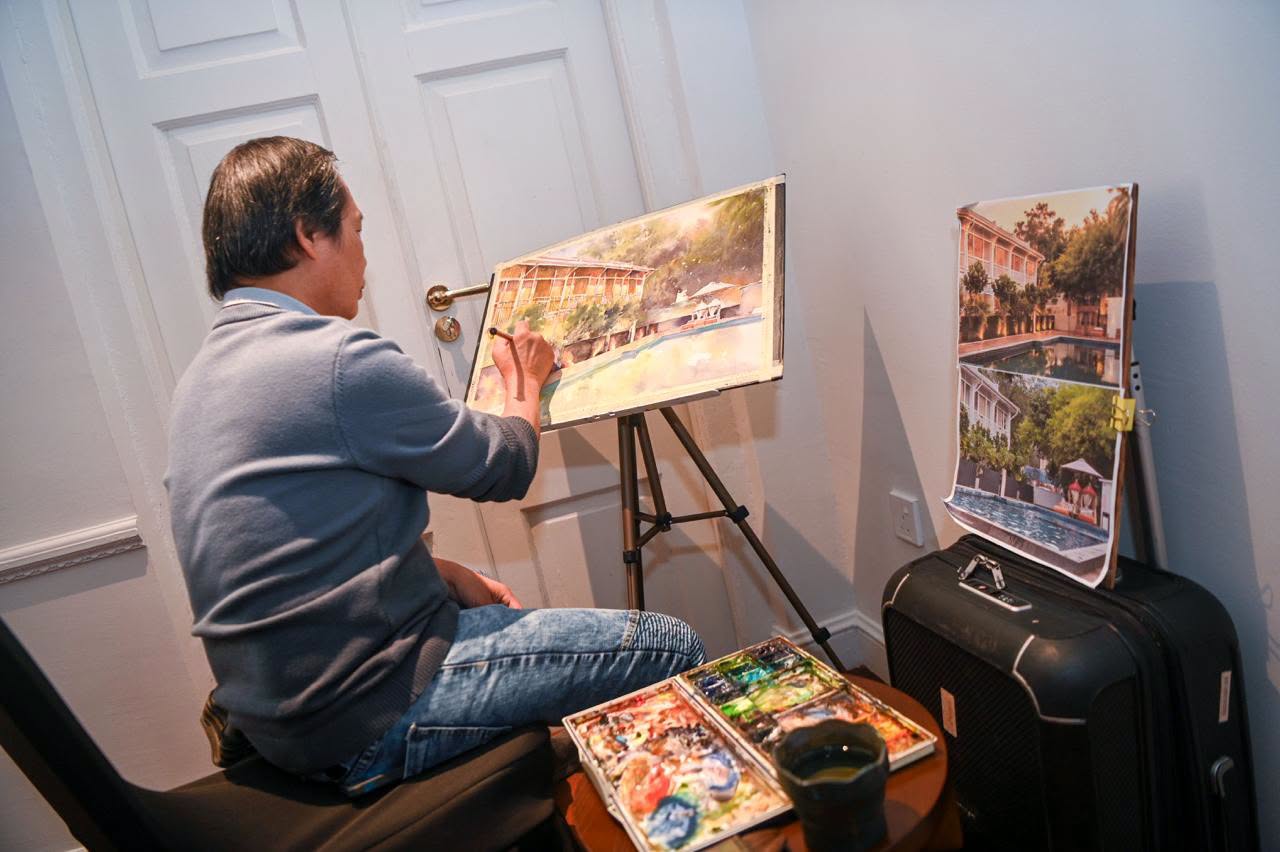
The hotel also features a range of lifestyle offerings, including Sensorium Wellness spa, Root House by Gen restaurant, The Heritage Collection by Daily Coffee, U-Bar, U-Shop, as well as curated artworks by Penang-born artist Koay Shao Peng, providing guests with an experience that reflects Penang’s local culture and creativity.
Ascott Malaysia Country General Manager Mondi Mecja said Penang remains one of the company’s key growth markets, noting that today’s travellers increasingly seek authentic stays that connect them with local culture and heritage.
The reopening of 1926 Heritage Hotel Penang adds another distinctive accommodation option to the state’s hospitality landscape while highlighting the growing trend of adaptive reuse, where historic buildings are carefully restored and repurposed to preserve their legacy for future generations.
Join our Telegram Channel now to receive instant update on Penang latest projects and property news
















If it offers better value than the E&O, l would be interested.